
The first time I arrived in Gili Trawangan, I honestly didn’t think much about hospitals or clinics. Why would I? The island looked too relaxed for emergencies to even exist. Beach bars glowing at sunset, people cycling slowly with sandy feet, cats sleeping near cafés. Then, on my second night, someone fainted outside a dive shop. Suddenly everyone started talking about Gili T emergency services and where the nearest clinic was. Funny how fast your brain changes direction when something unexpected happens.
Travel does that sometimes.
You come for sunsets and end up learning where oxygen tanks are stored.
Small Island, Real Problems
People often imagine islands as peaceful little bubbles where nothing bad happens. That’s… not really true. Things still happen here, just in flip-flops instead of traffic jams.
Dehydration is common. Coral cuts too. I heard one tourist describe stepping on sharp coral as “walking on broken glass covered in salt.” Dramatic maybe, but honestly, not far off.
The reality is that Gili T emergency services quietly handles all kinds of situations every single week. Food poisoning after seafood dinners. Diving panic. Scooter falls. Heat exhaustion. Some cases are tiny. Others become serious very fast.
Especially under tropical heat.
And the strange thing is, the island still feels calm even while all this is happening somewhere in the background.
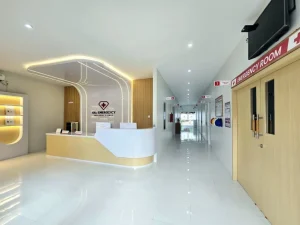
The Clinics Don’t Look Like Big Hospitals
That surprises people.
A Gili medical clinic usually looks more like a tropical guesthouse from the outside. Open walls. Plants everywhere. Sometimes sandals piled near the entrance. Then you walk in and notice medical beds, IV bags, emergency kits, and tired tourists staring at ceiling fans while recovering from dehydration.
It feels oddly personal.
Not cold like giant city hospitals.
The doctors and nurses often speak directly and casually too, which somehow makes stressful moments easier. Maybe because everyone on the island understands tourists are nervous already.
A lot of travelers rely on Gili T emergency services without planning to. They just assume everything will be fine until their body decides otherwise.
That’s vacation logic, I guess.
Diving Changes Everything
If you spend enough time around dive centers, you start hearing stories. Some funny. Some definitely not funny.
One diver forgot to hydrate properly before a morning dive and nearly blacked out afterward. Another guy panicked underwater after losing sight of his group for maybe twenty seconds. Tiny moment. Huge fear.
That’s why emergency service Gili teams stay connected with many dive operators around the island. Diving emergencies need quick reactions, especially when someone experiences pressure-related symptoms or breathing trouble.
Honestly, even experienced divers sometimes underestimate conditions around the Gilis. The ocean looks gentle from the beach. Then currents remind you who’s in charge.
Fast.
Several clinics coordinate directly with boats for transfers if patients need larger facilities elsewhere. Gili T emergency services becomes incredibly important during situations like that because time matters more on islands.
A delay feels longer near the ocean.
Nights Can Get Messy
Nobody writes that part on travel brochures.
But yeah, nightlife injuries happen constantly.
People drink too much. Someone falls off a bicycle. Somebody else slices a foot walking barefoot near broken shells after midnight. I once watched a tourist wrap an ice pack around his ankle while still holding half a pizza in the other hand. Very Gili Trawangan energy, honestly.
The weird part is how calm local responders stay during all this.
Gili T emergency services deals with late-night chaos almost routinely. Staff members arrive quietly, treat injuries, ask practical questions, and move on to the next call. No drama. Just efficiency.
Maybe island life teaches patience.
Or maybe they’ve simply seen everything already.
Heat Exhaustion Sneaks Up on People
This one gets underestimated all the time.
Travelers spend entire afternoons snorkeling, cycling, or lying under direct sun without enough water. Then suddenly they feel dizzy at dinner and assume it’s “just being tired.”
Sometimes it is.
Sometimes not.
A Gili medical service usually treats dehydration cases daily, especially during hotter months. IV hydration becomes surprisingly common among tourists who pushed themselves too hard under the sun.
I almost laughed the first time someone told me they needed an IV after “relaxing all day.”
Then I spent six hours walking around the island in brutal heat and understood immediately.
Your body gets drained before you notice it happening.
That’s one reason Gili T emergency services exists in constant demand despite the island’s peaceful image.
The Human Side Feels Different Here
Maybe because the island is small, healthcare feels strangely personal.
Doctors remember faces sometimes. Hotel staff check in afterward. Dive instructors ask if you recovered properly. It doesn’t feel anonymous the way big cities often do.
One traveler I met got treated at a Gili medical clinic after a jellyfish sting turned into a nasty allergic reaction. Nothing life-threatening, thankfully. Still painful though. The next day, the clinic staff apparently messaged his hotel to make sure he was okay.
That stuck with me for some reason.
Little things matter during stressful moments.
And honestly, Gili T emergency services seems built around those little human interactions as much as the medical side itself.
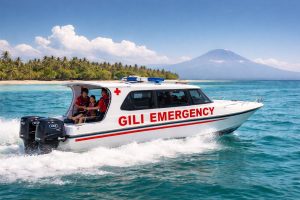
Emergency Transfers Off the Island
This is where things become more serious.
If someone needs advanced surgery or intensive treatment, clinics usually arrange transfers toward Lombok or Bali. Boats move patients first, ambulances continue later.
Simple in theory.
Complicated in rough weather.
Strong waves can slow evacuation plans, especially at night. That uncertainty is why many experienced travelers strongly recommend insurance before visiting the island.
Not exciting advice. But practical.
A Gili medical service can stabilize many conditions locally, though severe trauma still requires bigger hospitals elsewhere. Most visitors never need evacuation, thankfully, but knowing the system exists helps people relax a little.
Preparedness changes how people travel.
Even mentally.
What Tourists Should Actually Do
Honestly, nothing complicated.
Drink more water than you think you need. Wear sandals near coral areas. Save emergency numbers before going out at night. Don’t ignore symptoms after diving.
Simple stuff.
Yet people forget constantly.
The teams behind Gili T emergency services often deal with situations that became worse simply because travelers waited too long before asking for help. Maybe pride. Maybe denial. Hard to say.
“I’ll sleep it off” becomes a dangerous sentence sometimes.
Especially on islands where resources are naturally more limited.
Why Medical Access Matters More Than People Expect
Before visiting Gili Trawangan, most travelers compare hotels, snorkeling tours, sunset bars, maybe café recommendations. Healthcare rarely enters the conversation.
Until it suddenly does.
That’s why Gili T emergency services quietly matters far more than many tourists realize. The island depends on those clinics, responders, and emergency coordinators every single day, even while vacation photos continue flooding Instagram like nothing serious could ever happen here.
Kind of ironic, really.
Paradise still needs medical teams.
And honestly, maybe knowing that makes the island feel safer instead of scarier. There’s comfort in understanding that behind the beach parties and turquoise water, trained people are ready when things go sideways unexpectedly.
Because sometimes they do.
Not often.
But enough.
