
When people talk about Gili T clinic, they often imagine something very simple, maybe even forgettable, but Gili T clinic on Gili Trawangan feels a bit different once you actually step into the atmosphere, and honestly, Gili T clinic is one of those places that quietly stays in your memory longer than expected, maybe because the island itself is so relaxed that anything “medical” feels slightly out of place, and yet there it is, functioning, real, grounded.
It’s funny how health on a small island feels like a different language.
Not dramatic. Just… different.
And somehow, Gili T clinic blends into that rhythm without trying too hard.
Arrival and First Impressions That Feel Oddly Calm
Walking around Gili Trawangan, you don’t immediately think about emergencies or anything serious. The sea is too blue for that kind of thought. But then you notice how Gili T clinic quietly sits among the cafes and bicycle rentals, like it belongs there but doesn’t want attention.
There’s also another reference people whisper about, clinic Gili Trawangan, usually when tourists ask “is there a doctor here?” with that slightly worried face.
Sometimes I think island healthcare has its own personality.
And Gili T clinic somehow feels calm, almost too calm, like it knows nothing dramatic is supposed to happen unless the ocean decides otherwise.
You hear bicycles passing outside. Bell rings. Dust. Sunlight. And inside, someone is waiting quietly.
Gili T clinic just exists like that.
No rush.
No chaos.
The Unexpected Rhythm of Island Medical Care
If you stay long enough, you start noticing patterns. Small injuries from snorkeling. Sunburns that look way worse than they are. A few scooter scratches, even though there are barely any cars here.
At some point, Gili T clinic becomes a familiar stop in conversation.
“Oh, just go there,” people say.
It’s simple advice, but behind it there’s this strange trust that grows over time.
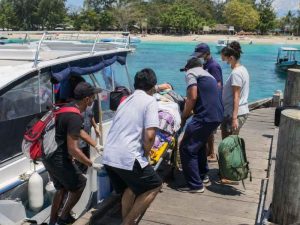
Then someone mentions Gili emergency service in a very casual tone, like ordering food. But you realize it matters. A lot.
Because when something actually happens, you don’t want confusion. You want clarity. Fast.
And Gili T clinic is often where that clarity begins.
Sometimes I wonder if locals see it differently. Probably yes. For them, it’s not exotic. It’s just Tuesday.
But for travelers, it feels like a small safety net floating in the middle of the ocean.
Waiting Rooms and Small Human Moments
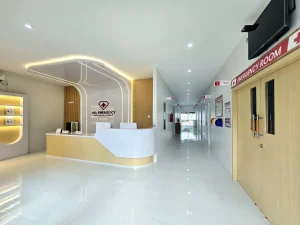
Inside Gili T clinic, time behaves strangely. It stretches. Then compresses. Then stretches again.
You might hear someone laughing softly in pain, which is a weird combination but also very human.
A nurse walks by. Someone asks a question in broken English. Someone else is sunburned beyond logic.
And still, everything moves gently.
There’s also this quiet overlap between tourists and locals that happens here. Nobody really talks much, but everyone understands they are temporarily in the same fragile situation.
At one point, I remember thinking how Gili T clinic doesn’t feel like a hospital. More like a pause button.
Just a pause.
Nothing more complicated than that.
Small Stories You Don’t Expect to Remember
A guy once walked in after snorkeling too long. Another came in for dehydration. Someone else just needed reassurance, which honestly might be the most common reason.
Strangely enough, Gili T clinic becomes part of those tiny travel stories people bring back home.
Not the glamorous ones.
The real ones.
There’s also Gili medical service that people mention when talking about coordination between island facilities, and it kind of completes the picture. You don’t really think about systems until you need them.
And then suddenly, you do.
I remember sitting outside for a moment, thinking how the wind felt too soft for anything serious to happen here.
But life doesn’t care about vibes.
That’s the truth nobody says out loud.
The Slow Realization of Island Safety
Maybe this is the part most travelers don’t expect. You come for beaches, sunsets, maybe parties. Not clinics.
But then you notice how often Gili T clinic is mentioned in random conversations between tourists.
“Did you go there?”
“Yes, they helped.”
Simple exchange.
No drama.
Just resolution.
And yet, it matters.
Because when you’re far from a big city, even a small clinic feels like a lifeline stretched across water.
Sometimes I think Gili T clinic is less about medicine and more about reassurance. Like a quiet promise that things can be handled, even here, even now.
The Emotional Side Nobody Writes About
There’s a strange comfort in knowing help exists nearby.
Even if you never use it.
Even if you hope you don’t.
And maybe that’s why Gili T clinic sticks in people’s memory more than expected. Not because of what happens inside, but because of what it represents.
Safety.
Proximity.
Human presence.
You walk past it in the afternoon and the building looks almost ordinary. No neon signs screaming urgency. Just calm structure under tropical light.
And you think… maybe that’s enough.
Maybe it has to be.
When Things Get Slightly Real
Not everything is soft and poetic though.
Sometimes it gets serious. Heat exhaustion. Deep cuts. Panic.
And in those moments, Gili T clinic shifts tone completely. Still calm, but focused. Very focused.
You can feel it even outside.
The air changes slightly. Conversations become shorter.
And then Gili emergency service becomes more than just a phrase. It becomes action.
That contrast is what surprises people.
One minute you’re drinking coconut water.
Next minute, you’re waiting for someone inside.
Life is weird like that.

A Quiet Kind of Trust
After a while, travelers start recommending Gili T clinic to each other almost instinctively.
Not because they love hospitals.
But because they trust what they experienced.
There’s something reassuring about a place that doesn’t try to be more than it is.
No exaggeration.
No performance.
Just service.
And maybe that’s why Gili T clinic works so well in memory. It doesn’t compete with the island vibe. It just exists alongside it.
Softly.
Patiently.
Leaving the Island, but Remembering It Differently
When people leave Gili Trawangan, they usually remember beaches, bikes, sunsets.
But sometimes, unexpectedly, they also remember Gili Trawangan clinic.
Not in a dramatic way.
More like a background detail that becomes meaningful later.
Like, “oh yeah, that place helped me when I needed it.”
And that’s enough.
Because not every memory has to be exciting to matter.
Some just have to be real.
And somehow, that small clinic becomes part of the island’s story whether you planned for it or not.
Even now, thinking back, it still feels a bit unreal. Soft edges. Warm air. Quiet rooms.
And Gili T clinic sitting there, steady, unchanged.
Final Reflection That Doesn’t Try Too Hard
Maybe the simplest way to say it is this: islands teach you different definitions of care.
Not louder.
Just closer.
And Gili T clinic is part of that lesson, whether you notice it immediately or only after you’ve left.