
The first time I heard someone mention a Gili Air Island emergency, it was not in a dramatic movie-like situation. No sirens. No helicopters. Just a traveler sitting barefoot outside a café, holding an ice pack against his ankle while looking a little too calm for someone who had just crashed a scooter five minutes earlier. That image stayed with me. Because honestly, when people imagine Gili Air, they think about turquoise water, lazy bicycles, sea turtles drifting under sunlight. They rarely think about what happens when things suddenly go wrong. And yet, a Gili Air Island emergency can happen faster than most travelers expect.
Why Emergencies Feel Different on Small Islands
Small islands have a strange rhythm.
Everything feels slower. Softer somehow. You wake up to the sound of waves instead of traffic. You walk sandy paths instead of busy roads. Time stretches out. That’s part of the charm.
But emergencies do not care about island vibes.
A simple dehydration case can become serious quickly under the Lombok heat. A diving accident? Even more complicated. And sometimes it’s the small things that catch people off guard. Food poisoning. A jellyfish sting. A bad fall from a bicycle after sunset because the path looked flatter than it really was.
The tricky part about a Gili Air Island emergency is the distance factor. You are not in a major city with giant hospitals around every corner. Resources exist, yes, but response times can feel different compared to Bali or Jakarta.
And weirdly enough, that realization often arrives late.
Usually after sunset.
The Reality of Medical Access on Gili Air
People ask this a lot: “Is there proper medical help on the island?”
Actually, yes. More than many travelers expect.
There are several healthcare points, including a clinic Gili Air visitors commonly rely on for first aid, dehydration treatment, wound cleaning, and basic medical care. Some clinics also coordinate transportation to Lombok if a patient needs advanced treatment.
Still, during a Gili Air Island emergency, preparation matters more than optimism.
That sounds dramatic. But it’s true.
I once met a traveler from Germany who ignored a deep coral cut for almost two days because he thought salt water would “heal it naturally.” Interesting theory. Not great in practice. By the third day, his foot had swollen badly enough that he could barely walk to breakfast.
Tropical infections move fast sometimes.
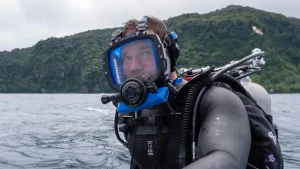
Diving Accidents and Ocean-Related Emergencies
The ocean around Gili Air looks calm. Gentle even.
Until it isn’t.
Diving and snorkeling are some of the biggest reasons people visit the island, but they also create risks people underestimate. Ear barotrauma, strong currents, coral injuries, panic underwater. It happens. More often than travel blogs admit.
A Gili Air Island emergency involving diving usually requires quick coordination. Dive operators often know exactly who to contact first, which helps a lot. Some even keep oxygen kits ready on-site.
Honestly, local dive crews impress me.
They tend to stay calm while tourists spiral into panic mode. Maybe because they’ve seen everything already. Sunburns so severe people cannot wear shirts. Sea urchin spines lodged in feet. Exhausted swimmers pulled from currents after pushing themselves too far.
Island life looks peaceful from Instagram. Reality is messier.
The Role of a Gili Doctor During Urgent Situations
One reassuring thing is that finding a Gili doctor is usually possible faster than people assume. Especially near central tourist areas.
Not every medical issue requires evacuation to Lombok. That matters.
A local doctor can often stabilize dehydration, infections, allergic reactions, minor fractures, or respiratory issues before deciding if additional treatment is needed elsewhere. And honestly, having someone explain things calmly while you’re sweating in panic mode helps more than people realize.
Because fear does strange things.
Even smart travelers forget basic details during a Gili Air Island emergency. They forget medication names. Insurance information. Allergies. Sometimes even hotel names.
I’ve seen it happen.
Transportation During an Emergency
This is the part many travelers never think about beforehand.
How do you move quickly on an island without cars?
Good question.
Most transportation on Gili Air relies on bicycles, walking, or cidomo horse carts. Charming during vacation. Less charming during a medical situation at midnight.
During a serious Gili Air Island emergency, clinics and local responders may coordinate boat transfers to Lombok. Weather conditions become important here. Rough seas can slow things down significantly, especially during stormy evenings.
That uncertainty feels unsettling.
Not catastrophic necessarily. Just uncomfortable in a very human way.
And maybe that’s why experienced travelers keep emergency contacts saved before arriving.
Heat Exhaustion Happens More Than You Think
People underestimate tropical heat constantly.
Especially travelers coming from colder countries.
You spend all day snorkeling, cycling, drinking cocktails, forgetting water exists. Suddenly your body crashes. Headache. Nausea. Dizziness. It sneaks up quietly.
One traveler I spoke with described his Gili Air Island emergency as “feeling fine until suddenly everything tilted sideways.” He ended up needing IV fluids after collapsing near the beach path.
Honestly, dehydration stories on the island are incredibly common.
And they rarely begin dramatically.
Usually with somebody saying, “I’m probably okay.”
Late-Night Panic Feels Different on an Island
There’s something psychologically strange about being sick at night on a small island.
The darkness feels heavier somehow.
Maybe because the streets are quieter. Maybe because you can hear the ocean while trying to figure out whether your fever is getting worse. Or maybe because isolation becomes more real after midnight.
A Gili Air Island emergency at 2 a.m. feels very different from one in a crowded city with neon lights and 24-hour pharmacies everywhere.
Still, this is where community often shows up unexpectedly.
Hotel staff helping arrange transport. Restaurant workers calling clinics. Divers checking on injured travelers they met once earlier that day.
Island communities tend to remember people.
That part feels comforting.
What Travelers Should Prepare Before Arriving
Not in a paranoid way. Just realistically.
Save emergency numbers offline. Carry travel insurance details somewhere accessible. Bring personal medication. Learn where the nearest clinic Gili Air visitors recommend actually is before you need it.
Simple things matter.
Very simple things.
A power bank. Rehydration salts. Waterproof sandals with decent grip. Tiny decisions can completely change how manageable a Gili Air Island emergency becomes.
And maybe this sounds overly cautious, but honestly, preparedness creates freedom. You relax more when you know what to do if things go sideways.

Local Emergency Services Are Better Than Many Expect
One thing worth saying clearly: local responders are often far more resourceful than tourists assume.
The Gili emergency service network may not look massive from the outside, but people coordinate quickly. Dive operators, clinic staff, boat crews, hotel workers. Communication spreads fast on small islands.
Sometimes surprisingly fast.
I remember hearing about a traveler who fainted near the harbor one afternoon. Within minutes, multiple locals were already organizing shade, water, and transport assistance before medical staff even arrived.
That kind of response sticks with you.
A Gili Air Island emergency can feel scary, yes, but it also reveals how connected island communities really are beneath the relaxed vacation atmosphere.
And maybe that’s the strange balance of Gili Air itself.
Beautiful. Slow. Peaceful.
Yet quietly prepared for chaos when necessary.
Why Awareness Matters More Than Fear
Nobody wants to think about accidents during vacation planning. Understandable.
But awareness is different from fear.
Understanding how a Gili Air Island emergency works simply helps travelers move smarter and calmer if something unexpected happens. It means knowing where help exists. Knowing the limits of island infrastructure. Knowing when to seek assistance early instead of waiting too long.
Because honestly, most emergencies become worse through delay, not drama.
And despite everything, Gili Air remains one of those places people fall in love with almost immediately. The sunsets still stop conversations. The ocean still glows blue in ways that barely look real. The island still feels gentle most days.
You just appreciate it differently once you realize paradise also has practical realities hiding beneath the surface.
