
When people talk about island life, they usually picture sunsets, soft waves, slow mornings, and maybe a scooter ride with salty wind in your face. But there’s a quieter topic nobody really plans for until it suddenly matters: Gili Air ambulance service. And yeah, I’m writing it twice here because, honestly, that’s how it feels in real life too—something you don’t think about… until you really do. The Gili Air ambulance service is not just a system, it’s more like a lifeline stretched across sea and urgency, sometimes calm, sometimes chaotic, always a bit unpredictable.
It’s strange how something so serious can exist in such a relaxed place.
Like a contradiction.
And it works… somehow.
Life on a Small Island and Emergency Reality
Living or even just staying on Gili Air feels like stepping into a slower timeline. No cars. Just bikes, horses, and footsteps on sandy paths. But emergencies don’t care about vibes. That’s where the Gili Air ambulance service quietly steps in, almost like an invisible thread connecting island calm to mainland urgency.
People often assume help is far away. And yes, it kind of is. But there’s coordination behind the scenes—boats, schedules, timing that feels like a puzzle being solved in real time. The Gili Air ambulance service becomes the bridge between “we need help now” and “help is on the way,” even if the sea is a little rough that day.
Sometimes you hear stories. A sudden fever. A diving incident. A scooter fall. Nothing dramatic in storytelling, but in the moment? Very real.
And there’s the local ambulance Gili Air support system too, which handles first response before anything crosses the water. It’s basic, but it matters more than people realize.
Honestly, it’s one of those things you only appreciate after you’ve seen it working once.
Quiet Coordination Behind the Scenes
Most visitors don’t notice it at first. Why would they?
But the Gili Air ambulance service is constantly syncing with boats, clinics, and mainland hospitals. It’s not flashy. No sirens racing down highways. Just timing, communication, and patience.
Sometimes too much patience.
But it works.
And that’s what matters.
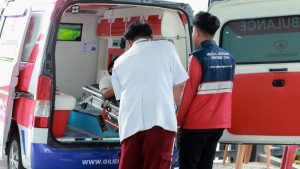
How Emergency Transport Actually Works Here
If you imagine a straight path from “help needed” to “hospital,” erase that image. It’s more like layers. First response on the island, stabilization, then transfer coordination.
The Gili Air ambulance service usually starts with a call or local alert. Then someone moves fast—maybe a motorized boat is prepared, maybe a clinic is contacted first. It depends. There’s no single fixed script.
And that unpredictability? It can feel unsettling, but also human.
I remember hearing someone describe it like this: “It’s not instant, but it’s intentional.” That stuck with me.
In many cases, the Gili Air ambulance service relies on sea transfer to Lombok, where larger hospitals can take over. And yes, weather sometimes becomes part of the decision-making process. Wind, waves, timing… all of it matters more than people expect.
There’s a kind of quiet tension in that.
The Human Side You Don’t See at First
Behind the logistics, there are people making quick decisions with limited resources. Not perfect systems. Just effort.
The Gili Air ambulance service depends heavily on coordination between local responders and medical staff who know the island rhythm. No one is rushing like in movies. It’s more focused, almost calm in a strange way.
Still urgent though.
Always urgent underneath.
And when you talk to locals, they don’t over-dramatize it. They just say, “We handle it.” Simple. Almost too simple.
But it works because of repetition and experience, not because it’s easy.
Clinics, Care, and First Response
This is where things get interesting. The Gili Air ambulance service doesn’t work alone. It leans heavily on local care points, especially the Gili medical clinic, which acts as the first medical checkpoint for most situations.
The clinic is where assessment begins. Small rooms, basic equipment, but capable hands. Stabilization happens here before anything else.
Sometimes people underestimate it. Then they see it in action.
And suddenly respect changes.
The Gili Air ambulance service often coordinates directly with the Gili medical clinic, especially when a case needs evacuation. There’s a rhythm between them—send, assess, transfer, repeat.
Simple pattern. High stakes.
And yes, there’s also what locals casually call the Gili emergency service, which ties together response efforts across the island. It’s not one building or one phone number in the way people expect. It’s more like a network of people who just… respond.
When Minutes Feel Different Here
Time behaves weirdly in emergencies on islands.
One minute feels longer. Or shorter. Hard to explain.
The Gili Air ambulance service operates inside that strange elasticity of time. What feels like “waiting” is actually coordination happening step by step. Boats being prepared. Communication sent. Someone checking weather again.
You don’t always see it. You just feel it.
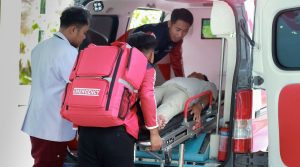
Travel Safety and That Subtle Awareness
Most travelers come here thinking about snorkeling, diving, sunsets, repeat. And they should. But there’s a soft layer of awareness that quietly sits underneath everything.
The Gili Air ambulance service exists partly because tourism is active here. More people, more movement, more chances for accidents. Nothing alarming—just reality.
A scooter slip on sandy paths. Dehydration after a long beach day. Diving miscommunication. Small things that become big things fast.
And let’s be honest, most people don’t prepare for that.
But locals do.
They always do.
The Gili Air ambulance service is part of that preparedness mindset. Not visible, but always there like a background process running quietly.
A System Built From Necessity, Not Perfection
There’s no “perfect” emergency system on a small island like this. But there is adaptation.
The Gili Air ambulance service feels less like infrastructure and more like improvisation that has been refined over time. People learn, adjust, respond again.
And somehow it holds.
Even when conditions aren’t ideal.
Even when timing is tight.
Final Thoughts From an Island Perspective
If you stay long enough on Gili Air, you start noticing things differently. The calm isn’t fragile, but it’s supported. And part of that support is the Gili Air ambulance service, quietly doing its job in the background of paradise.
It connects the island to bigger medical systems when needed. It works with the Gili emergency service, depends on coordination with the Gili medical clinic, and sometimes overlaps with simple first-response care like ambulance Gili Air teams handling immediate situations.
And maybe that’s the real insight here.
Paradise isn’t absence of problems.
It’s systems that handle them quietly.
The Gili Air ambulance service is one of those systems. Not perfect, not always fast, but present. And presence matters more than people realize until they actually need it.
Funny how that works.
You don’t think about it.
Until you do.
And then you’re glad it exists.
