
The first thing people notice about Gili Meno is the silence. No traffic. No engines screaming through the streets. Just bicycles, salty wind, and the slow rhythm of island life. Beautiful, honestly. But then you start thinking about practical things. What happens if someone suddenly gets sick? Or falls while snorkeling? That’s when Gili Meno emergency transport suddenly becomes more than just a phrase on a website. It becomes something strangely comforting to know exists. Because even paradise can have difficult moments, and islands, well, islands can feel very far away when panic starts creeping in.
Some travelers never think about medical access before arriving. I didn’t either the first time. I was too distracted by turquoise water and coconut pancakes.
Then one evening, someone near the harbor fainted.
Everything changed for a few minutes.
Why Emergency Access Matters on a Quiet Island
Gili Meno is small. Very small. You can walk around most of it without much effort, especially early in the morning when the sand still feels cool. That tiny scale is part of the charm, though it also means medical infrastructure works differently compared to Bali or Lombok.
Interesting thing is, locals are surprisingly prepared.
Many visitors assume there are no systems in place. That’s not really true. There are emergency boats, trained responders, and connections to nearby medical facilities when situations become serious. The island may look sleepy, but behind that relaxed atmosphere, there’s coordination happening quietly in the background.
That’s where Gili Meno emergency transport becomes essential for travelers, divers, families, and even elderly tourists who simply want peace of mind during their stay.
And peace of mind matters more than people admit.
Especially at night.
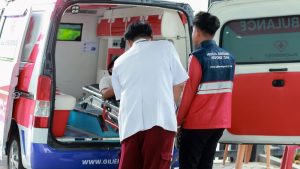
Small Emergencies Can Feel Bigger Near the Ocean
A scraped knee? Usually fine.
But dehydration after hours under tropical sun can hit hard. So can food poisoning, jellyfish stings, motorbike accidents on neighboring islands, or snorkeling-related panic attacks. Sometimes travelers ignore symptoms too long because they don’t want to “ruin the holiday.” Honestly, people do this constantly.
Then suddenly they need help fast.
The good news is that emergency service Gili providers have become more organized over the years, particularly because tourism keeps growing. Local operators understand that quick response can make an enormous difference when mainland hospitals are separated by water.
There’s something oddly reassuring about hearing that speedboats are available even after dark.
Not perfect, maybe. But reassuring.
The Human Side of Island Medical Response
One thing nobody talks about enough is the emotional side of emergencies abroad.
You feel vulnerable quickly.
Different language. Different roads. Different healthcare expectations. Even simple communication becomes harder when stress kicks in. That’s why people often remember kindness more than technical details after a medical incident.
I once spoke to a traveler who needed Gili Meno emergency transport after a diving accident nearby. What stayed in his memory wasn’t the boat ride itself. It was a local worker holding a flashlight and calmly repeating, “You’re okay now.” Funny how tiny moments stick.
That’s the thing about islands. People tend to help each other more directly.
There’s less distance between strangers.
How Medical Transfers Usually Work
In many cases, initial assessment happens on the island first. Depending on severity, patients may then be transferred to Lombok or Bali where hospitals and specialist treatment are more complete.
The process can involve:
- Local first aid assistance
- Coordination with a Gili medical clinic
- Boat transfer preparation
- Contacting mainland hospitals
- Escort support for foreign travelers
Simple on paper. Chaotic sometimes in reality.
Weather also plays a role, which people forget. Rough waves can delay movement, especially during certain seasons. So when operators offering Gili Meno emergency transport say timing matters, they really mean it.
Minutes count differently near open water.
Not Every Case Is Dramatic
This is important.
Most medical calls are not life-threatening. Many involve exhaustion, stomach issues, cuts from coral, mild infections, or accidents while cycling around sandy paths. Tropical heat alone catches visitors off guard constantly.
Still, fast response reduces stress enormously.
Parents traveling with children often feel more relaxed knowing Gili Meno emergency transport services exist nearby. Same for honeymoon couples, solo backpackers, or retirees spending longer stays on the island.
Nobody wants to imagine emergencies during vacation, but knowing systems are available changes the entire mood of a trip. You stop worrying quietly in the background.
And yes, people absolutely do worry quietly.
The Role of Local Clinics and Medical Teams
A proper Gili medical service usually focuses on stabilization first. That means checking vital signs, managing pain, handling dehydration, or monitoring breathing before deciding whether evacuation is necessary.
Some clinics can manage surprisingly complex situations temporarily.
Others mainly coordinate referrals.
Either way, communication becomes critical. Travelers should keep insurance information accessible and avoid waiting too long before seeking medical attention. Delays often make situations worse than they need to be.
Oddly enough, tourists sometimes hesitate because they think they’re “overreacting.”
They aren’t.
If your body feels wrong in extreme heat or after water activities, it’s smart to get checked.
That’s why Gili Meno emergency transport is discussed more frequently among experienced divers and long-term travelers than casual vacationers. People who spend enough time near the ocean understand how quickly conditions can shift.
Late-Night Emergencies Feel Different
There’s a specific kind of silence on Gili Meno after midnight.
No traffic sounds. Barely any lights in some areas. Just waves and distant music from another island drifting through the dark. Beautiful atmosphere, honestly. But if someone suddenly struggles to breathe or collapses from severe dehydration, that quietness becomes intense.
You feel isolated very quickly.
This is where reliable coordination matters more than fancy facilities. Several local teams understand the geography, tide conditions, and fastest departure points depending on weather. In serious cases, Gili Meno emergency transport can connect patients to larger treatment centers across the water as efficiently as conditions allow.
It’s not a massive urban hospital network.
But it works.
More often than visitors realize.
What Travelers Should Prepare Before Visiting
A few simple preparations make a huge difference:
- Save emergency contacts offline
- Keep travel insurance active
- Carry basic medication
- Stay hydrated constantly
- Know the nearest Gili medical clinic location
- Avoid ignoring unusual symptoms after diving
Simple things. Easy to forget.
Sometimes travelers become overly relaxed because the island atmosphere feels safe and gentle. And mostly, it is. Still, tropical environments demand awareness. Sun exposure alone can drain people faster than expected.
Especially first-time visitors.
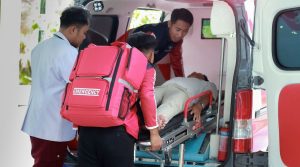
Why Fast Transport Builds Tourist Confidence
Tourism depends heavily on trust.
People book island trips because they want freedom and beauty, but subconsciously they also want reassurance that help exists if something goes wrong. Reliable Gili Meno emergency transport quietly supports the entire tourism experience even when visitors never actually use it.
Think about that for a second.
The system matters precisely because most people hope they’ll never need it.
Hotels understand this. Dive shops understand this too. Many businesses maintain direct communication with emergency contacts because delays can affect outcomes significantly during serious incidents.
And honestly, travelers notice preparedness more than flashy marketing nowadays.
A Different Kind of Safety
Safety on Gili Meno doesn’t feel corporate or mechanical. It feels human.
Someone calling a boat captain. Someone finding a flashlight. Someone helping carry supplies down a sandy path at night. There’s an improvised feeling sometimes, yet also a surprising sense of community responsibility underneath it all.
That combination leaves an impression.
For many visitors, learning about Gili Meno emergency transport changes how they see the island. Not less beautiful. Just more real. More grounded. Paradise, yes, but still connected to ordinary human needs like healthcare, speed, communication, and care during vulnerable moments.
And maybe that realism makes the island even more memorable.
Because the best destinations are not only beautiful when everything goes perfectly.
They’re also places where people know how to help when things don’t.
