Stepping off the boat onto Gili Trawangan, you breathe in salt air, hear waves lapping soft, and see palm trees dancing in tropical light. Paradise, right? But even paradise can surprise you—and that’s where the importance of Gili T emergency awareness kicks in. Whether you’re here for diving, sunsets, or just to disconnect, knowing how ambulance Gili, Gili emergency service, and Gili emergency clinic work might just save your trip—or even your life.
What Does “Gili T Emergency” Really Mean?
“Gili T emergency” refers to all the medical and urgent-care infrastructure, protocols, and services that respond when something goes wrong on Gili Trawangan. It includes everything from first aid for a coral cut, to severe diving accidents, to full medical evacuations to Lombok or even Bali.
Since Gili Trawangan’s a small island with pretty limited hospital facilities, the Gili emergency service is basically your first line of defense — the crew that shows up fast, keeps you stable, and figures out whether you can stay on the island or need to be transferred off.
The Role of the Gili Emergency Clinic
The Gili emergency clinic is pretty much the main spot for any kind of medical help on Gili T. It’s where you head (or get taken) when something goes wrong — from small stuff like cuts, burns, dehydration, or food poisoning, to more serious cases. The good news? Clinics here keep leveling up. The Gili Emergency Medical Clinic even opened its first inpatient service, so now people can actually stay overnight if they need extra care.
These clinics have doctors and nurses who usually speak solid English — super helpful when you’re a traveler trying to explain what’s going on with you. They also team up with ambulance Gili crews and even dive center staff when stuff like decompression sickness happens. Basically, everyone’s connected and ready to jump in when things get real.

Ambulance Gili: What to Expect
When people talk about ambulance Gili, they usually mean the transport and first-response units available on the islands. Here’s what that might look like in practice:
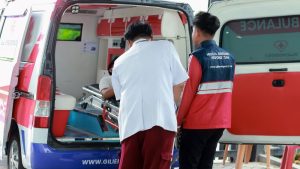
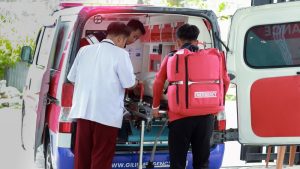
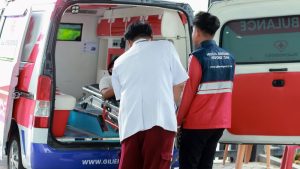
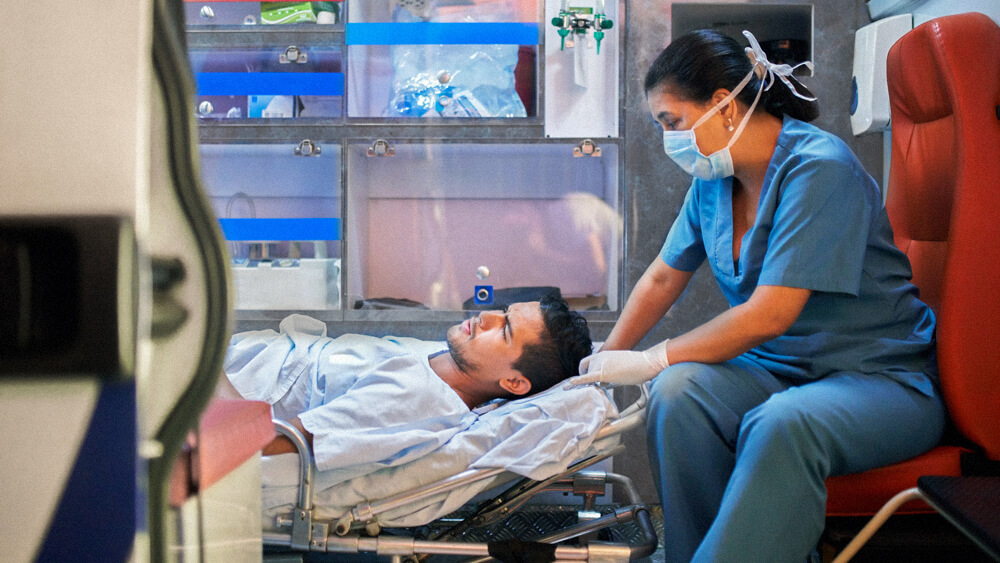
- There may not be conventional ambulances in the sense of big road vehicles, because Gili T has no cars. Ambulances often use electric carts, stretchers, or even boats to move a patient.
- If the case is serious, the ambulance Gili unit will stabilize you at a local clinic, then coordinate evacuation to Lombok (often via speedboat) or further to Bali if needed.
- Response times can vary depending on your location on the island, weather, or sea conditions.
Gili Emergency Service: Coordination & Protocols
The Gili emergency service refers to the entire network: call center or dispatch, the ambulance Gili teams, local clinics, dive centers, and evacuation paths. Here’s how it generally works and what you should know:
- Call & Triage
If you’re in trouble, first thing is to call the emergency number. On Gili T, there are medical call centers (for example, Warna Medika) that operate 24/7. They’ll ask you what’s wrong, where you are, how severe things look. - First Response & Stabilization
A team—maybe a clinic staff, paramedic, or ambulance Gili unit—arrives, gives first aid, stabilizes you. If needed, they move you to a Gili emergency clinic. - Medical Evacuation if Needed
If local care isn’t enough, you’ll be transferred to a larger hospital in Lombok or Bali. This may involve a speedboat or other ambulance Gili transport. Clinics often coordinate this. - Follow-up & Insurance
After emergency treatment, you’ll often need follow-ups—medication, monitoring, sometimes more serious interventions. Having travel insurance that covers medical evacuation is crucial.
Real-Life Example
Just imagine: you go for a dive. All is well until you feel sharp ear pain, ringing, dizziness on the boat ride back. That’s your cue. You contact the Gili emergency service, they assess whether it’s something like ear barotrauma or worse. You might go to the Gili emergency clinic for oxygen, rest, maybe some medicine. If symptoms are bad, ambulance Gili kicks in to arrange evacuation to Lombok. Being prepared and acting fast can make all the difference.
Recent Improvements: Gili Emergency Clinic Takes a Big Step
Big news — as of early 2025, the Gili Emergency Medical Clinic on Gili Trawangan officially started offering inpatient care, the first ever on the islands. That means you can now stay overnight, get more focused treatment, and handle serious situations right here without having to rush off the island. Total game-changer for Gili’s emergency scene.
This development makes Gili T emergency support much stronger—you’re not just patched up and sent off; there’s a chance to recover locally. The clinic also includes modern diagnostic tools and more comprehensive emergency services.
What the Limits Are
Paradise has its constraints. Even with good emergency infrastructure, there are challenges:
- No large hospital on Gili T: For advanced imaging (MRI, CT), surgeries, long-term ICU, patients must go to Lombok or Bali.
- Transport & weather issues: Speedboats can be delayed; rough seas or storms can block evacuation.
- Cost: Evacuations, specialist care off-island can be very expensive, especially without insurance.
- Medical record/communication: If you’re not fluent in Bahasa Indonesia, sometimes there’s miscommunication; having prior medical history helps.
How Travelers Can Be Smart with Gili T Emergency
To make sure your time in Gili T doesn’t turn into a medical drama, here are practical tips:
- Save emergency contacts before you arrive: including ambulance Gili, local Gili emergency clinic, and your travel insurance.
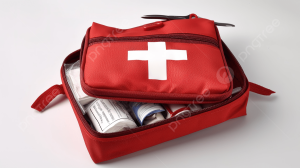
- Bring any medications you need, and carry info about allergies, chronic illnesses.
- Avoid risky behaviors: diving with uncertified instructors, riding bikes at night without adequate light, wandering barefoot near coral.
- Stay hydrated, protect from sun, and eat carefully. Gastro-upsets are common.
- Check the clinic facilities where you’re staying nearby—ask: “Do you have a Gili emergency clinic close by? Is there ambulance Gili service if needed?”
Why Gili T Emergency Matters More Than You Think
Because Gili T isn’t just a vacation spot—it’s home to locals, dive masters, families. Gili T emergency services aren’t deployed just for tourists; they protect locals too. The presence of a strong emergency clinic and ambulance Gili capability means better outcomes for everyone.
Also, knowing the system gives peace of mind. When you’re miles away from your home hospital, that worry can hit harder than the actual sickness. But knowing there’s a solid Gili emergency service on standby? That changes everything. You can actually chill, enjoy the island vibes, and trust that if anything happens, you’re covered. That sense of safety just makes every sunset and every swim hit different.
So next time you’re stretched out on the beach, waves crashing, sea breeze in the air, thinking life couldn’t get any better — remember this: paradise isn’t totally risk-free, but Gili T’s emergency setup is real, growing, and got your back. The Gili emergency clinic, the ambulance Gili, and the network of Gili emergency service are there for you. Save the numbers, know the routes, respect the risks, enjoy the beauty. Because with preparation, you get the joy—without the worry.
Stay safe, enjoy every dive, every coconut, every starry night. And if you ever need it, just reach out: emergency help on Gili T is closer than you think.