
You don’t come to Gili Air expecting to look for a doctor.
You come for slow mornings. For sand that sticks lightly to your ankles. For that soft orange sunset that seems to last longer than it should. And yet—somewhere between a snorkeling trip and seafood dinner—your body might decide it needs attention. When that happens, calling a Gili Air house call doctor can quietly shift the entire direction of your trip.
I’m not saying this dramatically. I’ve watched it unfold in very ordinary ways.
A couple from Europe once stayed two doors down from my bungalow. The husband insisted his stomach cramps were “just spicy food.” By midnight he was pale, sweating, and stubborn. They finally called a Gili Air house call doctor. IV fluids were set up beside the bed. Calm explanations followed. By morning he could sit outside again, sipping tea, embarrassed but relieved.
It didn’t ruin their holiday. Waiting almost did.
Island Reality Hits Differently
Gili Air feels small in the best way. No cars. No horns. Just bicycles and the occasional horse cart passing by with a soft clop-clop sound. But that same simplicity can feel complicated when you’re unwell.
If you have a fever and the midday sun feels sharp against your skin, even a short walk to a facility becomes exhausting. Sand suddenly feels heavier. The air thicker.
That’s why a Gili Air house call doctor makes practical sense here. Instead of pushing your body further, you let medical care come to you. No balancing on a bike while dizzy. No navigating unfamiliar streets while nauseous.
It sounds like a small difference. It isn’t.
And interestingly, many travelers don’t plan for this. They research beaches, cafés, diving spots—but not healthcare. Until they need it.

The Quiet Role of a Gili Home Visit Doctor
A Gili home visit doctor typically handles situations that are urgent but not catastrophic. Food poisoning. Dehydration. Ear infections after diving. Allergic reactions. Mild injuries from cycling on sandy paths.
Food poisoning deserves a second mention, honestly. It’s common in tropical destinations—not because food is unsafe, but because your body isn’t used to local bacteria. Add heat, travel fatigue, maybe a cocktail or two… and suddenly you’re not feeling adventurous anymore.
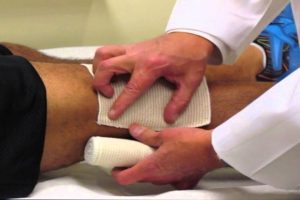
A Gili Air house call doctor usually arrives with basic diagnostic tools, medication, and IV fluids if necessary. The visit starts with questions—simple ones, but important. What did you eat? When did symptoms start? Have you been diving?
There’s something reassuring about being asked specific questions in a calm voice. It organizes the chaos in your head.
Sometimes treatment is straightforward: oral medication, hydration advice, rest. Other times IV fluids are administered on the spot. Watching a bag of clear fluid slowly drip while the ceiling fan spins above you—it’s oddly comforting. Grounding.
Gili Medical Service: Not as Limited as You Think
People often assume small islands mean minimal healthcare. That assumption isn’t entirely accurate.
Gili medical service has evolved alongside tourism. There is a Gili medical clinic available for consultations and more structured examinations. However, the flexibility of a Gili Air house call doctor fills a crucial gap.
Home visits act as a first layer of care. Assessment happens immediately. If the situation requires laboratory testing or more advanced equipment, referral to a Gili medical clinic can be arranged smoothly.
This two-step approach works well here.
You’re not rushed into unnecessary transfers, but you’re also not left guessing whether you need more attention.
That balance matters.
The Psychological Side No One Mentions
Here’s something people don’t often say out loud: being sick abroad can feel lonely.
Even if you’re traveling with friends. Even if the island is beautiful. There’s a moment—usually late at night—when discomfort feels amplified because you’re far from home.
A Gili Air house call doctor doesn’t just treat symptoms. They reduce uncertainty. They explain what’s happening in plain language. They tell you what to watch for.
And suddenly your breathing slows.
I’ve noticed this pattern repeatedly. The medicine helps, yes. But the reassurance might help just as much.
That shift—from worry to understanding—can be subtle. Yet powerful.
When You Shouldn’t “Just Wait It Out”
Travelers are resilient. Sometimes overly so.
It’s common to hear, “Let’s give it a few hours.” And sometimes that’s reasonable. Mild fatigue or slight nausea after a long boat ride can resolve with rest.
But certain signs shouldn’t be ignored:
-
Persistent vomiting
-
High fever that doesn’t drop
-
Severe abdominal pain
-
Shortness of breath
-
Noticeable dehydration
-
Allergic swelling
Calling a Gili Air house call doctor early often shortens recovery time. Waiting can complicate what would have been simple treatment.
And here’s a small observation: most people who call sooner recover sooner. That’s not a slogan. It’s just a pattern.

Coordination with a Gili Medical Clinic
If additional tests or monitoring are required, coordination with a Gili medical clinic is typically straightforward. Documentation is provided. Communication is clear.
The benefit of starting with a Gili Air house call doctor is that you receive immediate evaluation in a familiar setting. If transfer becomes necessary, it happens with context—your history already explained.
That continuity builds trust.
Trust, especially in healthcare, changes how you experience treatment.
Without it, every step feels uncertain. With it, even inconvenience feels manageable.
Not Only for Short-Term Visitors
It’s easy to assume home visit services are mostly for tourists. But long-term residents—dive instructors, café owners, remote workers—also rely on a Gili Air house call doctor.
Illness doesn’t respect business hours. Fevers spike at night. Migraines arrive without warning. A child develops a rash after sunset.
Flexibility is essential on an island.
A Gili Air house call doctor offers that flexibility. It’s not dramatic. It’s steady. Practical. Human.
And sometimes that’s exactly what you need.
About Cost (Because It Matters)
Home visits generally cost more than walking into a clinic. That’s expected—personalized care, travel time, portable equipment.
Many travel insurance policies reimburse Gili medical service expenses, including home visits. It’s wise to keep medical reports and receipts.
Before treatment begins, fees are usually explained clearly. That transparency prevents unnecessary tension.
Because when you’re already uncomfortable, financial uncertainty adds weight you don’t need.
A Small Story Before We End
One evening, just before sunset, I saw a young traveler sitting outside her guesthouse looking defeated. She’d been unwell for two days but didn’t want to “waste money” on a doctor.
Eventually she called a Gili Air house call doctor.
The visit lasted less than an hour. Medication was provided. Hydration advice was clear. The next day she was walking slowly along the beach again, pale but smiling.
“Should’ve done that earlier,” she said.
It wasn’t a dramatic rescue. It was simple intervention at the right time.
Final Thoughts on Choosing a Gili Air House Call Doctor
A Gili Air house call doctor isn’t about expecting the worst. It’s about being prepared for the ordinary disruptions that travel sometimes brings.
Between snorkeling trips, bike rides, and beach dinners, your body works hard. If it asks for support, responding quickly keeps small issues small.
With accessible Gili medical service, the option of a Gili medical clinic when necessary, and the flexibility of a Gili home visit doctor, you’re not navigating illness alone on this island.
And maybe that’s the real comfort.
You can relax more deeply knowing that if something feels off—if the sunset looks slightly blurry because of a fever, or the sound of waves feels louder than usual—a Gili Air house call doctor is simply a phone call away.
Not dramatic. Not intrusive.
Just there when you need it.