I didn’t really think about the Gili Trawangan sea ambulance the first time I went there. Honestly, it didn’t cross my mind at all. You arrive, you see the ocean—like, that bright blue that almost looks edited—and your brain just switches into holiday mode. No stress. No urgency. Definitely no thoughts about emergency systems.
But then, at some point, someone mentioned it in passing. And I remember thinking… oh. Right. This is an island.
And suddenly the idea of a Gili Trawangan sea ambulance felt less random, more necessary.
It’s a Small Island. Smaller Than You Expect
People say Gili Trawangan is small, but you don’t really feel how small until you’re there.
You can walk across parts of it without even trying.
No cars, no engines, just bikes and those horse carts—what do they call them, cidomo, I think. It’s peaceful, yeah. Almost too peaceful sometimes.
But that simplicity comes with trade-offs.
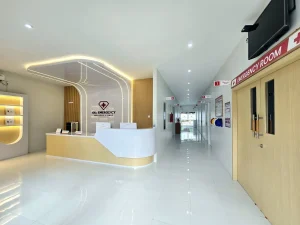
Because when something goes wrong medically, you don’t have a big hospital nearby. You have a Gili medical clinic, which helps—a lot actually—but there’s a limit to what can be handled on the island.
And when that limit is reached… well, the Gili Trawangan sea ambulance becomes the next step.

Emergencies Here Feel… Different
It’s hard to explain.
In a city, emergencies are loud. Sirens, traffic, movement everywhere. Here, it’s quieter. Slower on the surface, even if things are urgent underneath.
Usually it starts simple. Someone feels unwell. Or there’s an accident. Diving, maybe. Slipping on wet tiles. It happens.
Then someone contacts a Gili emergency service or walks into a clinic.
From there, things shift.
The Gili medical clinic checks the patient, and you can almost imagine the moment when they realize—this needs more than what we can do here.
That’s when the Gili Trawangan sea ambulance enters the picture again.
Not dramatically. Just… naturally.
Getting Across the Island Isn’t Straightforward
This part always sticks with me.
There are no standard ambulances driving around. So moving a patient isn’t as simple as “load and go.”
Sometimes it’s a stretcher.
Sometimes a horse cart.
Sometimes a mix of both.
It sounds a bit chaotic when you say it like that, but in reality, people seem to know what to do. There’s a kind of informal system in place. Not perfect, but functional.
Eventually, the patient reaches the harbor.
And that’s where the Gili Trawangan sea ambulance is waiting—or arriving.
The Boat Ride… Quiet, Mostly
The crossing to Lombok isn’t long. Maybe 20 minutes, give or take.
But people always say it feels longer.
Maybe it’s the situation. Maybe it’s the silence.
No sirens. No flashing lights. Just the sound of water and wind. And the medical team doing their job without making a big scene out of it.
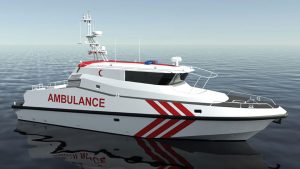
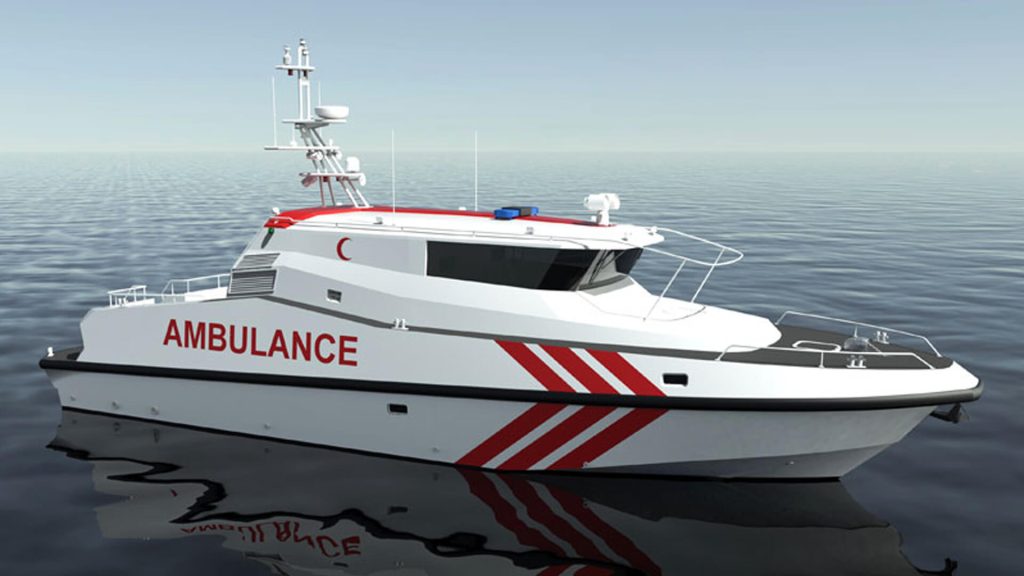
The Gili Trawangan sea ambulance carries basic equipment—oxygen, monitoring tools, the essentials. It’s not a floating hospital, but it doesn’t need to be.
It just needs to get you there.
The Clinics Carry More Than You Think
I feel like the Gili medical clinic doesn’t get enough credit.
They’re dealing with all kinds of situations, not just small stuff. Diving incidents, infections, accidents… things that can escalate quickly if handled wrong.
And they’re the ones making that first big decision.
Stay or transfer.
Treat here or call the Gili Trawangan sea ambulance.
That’s not a small call to make.
Things Don’t Always Go Smoothly
I mean… of course they don’t.
Weather is unpredictable. The sea isn’t always calm. At night, everything becomes a bit harder—visibility, coordination, timing.
And then there’s funding, which people don’t really talk about much.
Running something like a Gili Trawangan sea ambulance costs money. Maintenance, fuel, trained staff. It’s not a simple setup. And on a small island, resources aren’t endless.
So yeah, there are challenges.
But somehow, it keeps running.
Ambulance Gili Trawangan Isn’t One Thing
This is something I didn’t realize at first.
When you think “ambulance Gili Trawangan,” you imagine one vehicle, one system.
But it’s actually multiple steps.
Clinic → transport across island → boat → mainland ambulance.
It’s like a chain.
And if one part slows down, everything slows down.
Still, when it works… it really works.
Stories That Stay in the Background
Most tourists never see any of this.
They’re busy enjoying sunsets, snorkeling, taking photos. And honestly, that’s how it should be.
But behind that, things happen.
A diver miscalculates.
Someone gets seriously dehydrated.
A random illness appears out of nowhere.
And suddenly, the Gili Trawangan sea ambulance is not just an idea—it’s happening, in real time, for someone.
The People Make It Work
Systems are important, sure.
But here, it feels like people matter more.
The ones working in Gili emergency service, the clinic staff, the boat crew—they’re not operating in perfect conditions. Sometimes they’re improvising. Adjusting on the fly.
And yet, they manage.
There’s something reassuring about that. Not in a polished, perfect way—but in a real, human way.

Tourism Keeps Growing… So What Next?
Gili Trawangan isn’t slowing down.
More visitors every year, more activity and more pressure on everything, including medical services.
So naturally, you start to wonder—will the current setup be enough?
Right now, the Gili Trawangan sea ambulance seems to handle things.
But in the future? Maybe it needs support. Expansion. Something more structured.
Hard to say.
If You’re Visiting, Just Be Aware
Not trying to sound dramatic here.
But it helps to know a few basics.
Where’s the nearest Gili medical clinic?
How do you contact Gili emergency service?
Do you have insurance that covers evacuation?
Simple things.
Because if you ever need the Gili Trawangan sea ambulance, you don’t want to start Googling in that moment.
That would be… not ideal.
It’s There. That’s What Matters
At the end of the day, the Gili Trawangan sea ambulance isn’t something you see often.
It’s not part of the tourist experience.
But it exists.
Quietly, consistently, in the background of everything. And maybe that’s enough. Maybe that’s exactly how it should be.
You don’t notice it.
Until you do.