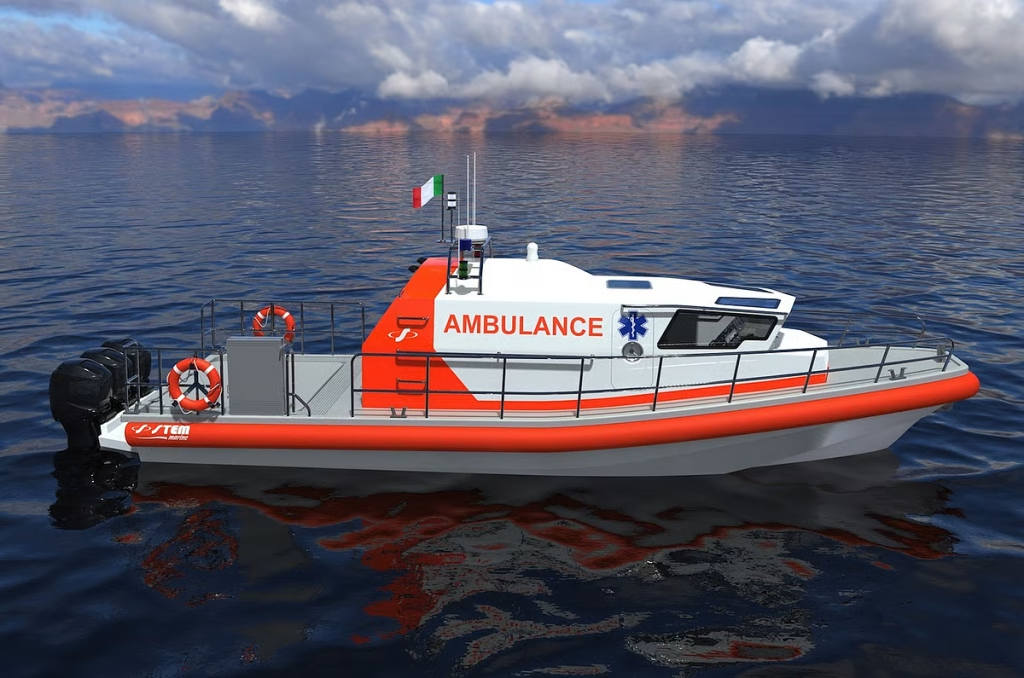
The first time someone mentioned the Gili Trawangan boat ambulance to me, I actually laughed a little. Not because it sounded silly. Just… unexpected.
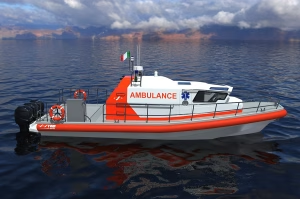
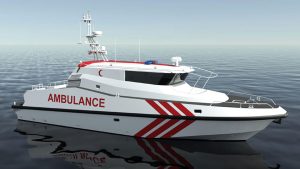
An ambulance. On water.
Then again, if you’ve ever spent time on Gili Trawangan, the idea suddenly makes perfect sense. The island is tiny. Peaceful. No cars, no motorcycles, not even the distant sound of traffic. Just bicycles rolling slowly over sandy paths and the occasional horse cart passing by.
It feels calm. Almost too calm.
But life doesn’t stop being unpredictable just because the ocean looks beautiful.
And that’s exactly why the Gili Trawangan boat ambulance exists.
A Quiet Island With Real-World Problems
Let’s be honest for a moment.
Gili Trawangan is often described as paradise. Travelers come for diving, sunsets, beach cafés, and those famous sea turtles drifting through coral reefs.
It really is beautiful.
But paradise still comes with scraped knees, twisted ankles, and sometimes more serious problems. Someone falls from a bicycle. A diver surfaces too fast. A tourist faints after walking all afternoon under tropical sun.
Nothing dramatic most of the time.
Still, emergencies happen.
When they do, people usually go first to a medical clinic Gili visitors can easily reach on the island. The doctors there deal with all kinds of situations—minor injuries, stomach problems, infections, dehydration.
Island medicine is practical like that.
But occasionally a situation goes beyond what a small clinic can safely handle. When that happens, the Gili Trawangan boat ambulance becomes the fastest bridge between the island and hospitals in Lombok.
A short ride across the sea.
Yet sometimes that ride matters a lot.
Why the Island Needs a Boat Ambulance
It’s actually simple geography.
Gili Trawangan sits just off the northwest coast of Lombok. Close enough to see the mainland mountains on clear days, but still separated by open water.
There’s no road connection.
Obviously.
So if someone requires advanced medical treatment—surgery, specialized scans, trauma care—the patient needs to reach a mainland hospital quickly.
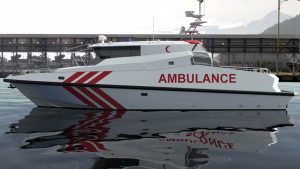
That’s where the Gili Trawangan boat ambulance plays its role.
Instead of arranging a regular boat or waiting for slower transport, the emergency vessel can depart almost immediately. Medical staff from local Gili medical service providers stabilize the patient first, then prepare for the transfer.
Sometimes the process happens surprisingly fast.
You might not even notice it from the beach.
How the Gili Trawangan Boat Ambulance Works
People tend to imagine a chaotic rescue scene.
Sirens, shouting, flashing lights.
In reality it’s usually much calmer.
When doctors decide that evacuation is necessary, the Gili Trawangan boat ambulance is contacted and prepared for departure. Patients are carefully transferred from the medical clinic Gili facilities to the harbor area.
Medical staff often travel with them.
Monitoring. Checking breathing. Watching vital signs.
The crossing to Lombok generally takes around twenty minutes, depending on sea conditions. Sometimes less. Occasionally a bit more if the waves are rough.
Still fast enough to make a difference.
On the Lombok side, land ambulances are usually waiting already. The patient is moved again and taken directly to a larger hospital where specialists continue treatment.
It’s basically a three-step system.
Island clinic. Boat transfer. Mainland hospital.
Simple idea. Very important result.
Medical Teams on the Island
One thing many travelers don’t realize is how experienced the medical staff on Gili Trawangan actually are.
Working on a tourist island means treating people from everywhere. Europe. Australia. Asia. America.
Different health histories. Different problems.
Doctors involved in Gili emergency service operations deal with a surprising variety of cases. Some days it’s just sunburn and dehydration. Other days… not so simple.
Diving injuries are one example.
And diving is everywhere here.
When a diver experiences symptoms related to decompression sickness, oxygen therapy is usually given immediately. The local Gili medical service teams evaluate the situation quickly and decide whether further treatment is required.
Sometimes the diver can stay on the island.
Other times the Gili Trawangan boat ambulance becomes the safest option for reaching specialized facilities.
Diving, Snorkeling, and Ocean Risks
The ocean around the Gili Islands is incredible.
Clear water. Healthy reefs. Turtles swimming lazily past divers.
It’s easy to forget that the underwater world has its own rules. Pressure changes affect the body. Ascending too quickly can cause serious problems. Even experienced divers occasionally miscalculate something.
It happens.
When symptoms appear—dizziness, joint pain, breathing difficulty—Gili emergency service teams move quickly. Oxygen is provided and the patient is evaluated.
If advanced treatment becomes necessary, the Gili Trawangan boat ambulance transports the diver to Lombok where hyperbaric facilities may be available.
The ocean gives the island its beauty.
But sometimes the same ocean becomes the fastest medical highway.
Not All Emergencies Are Dramatic
Actually, many evacuations are less dramatic than people imagine.
A traveler breaks a bone after falling from a bicycle. Someone develops a severe infection from a coral cut. Occasionally a visitor experiences allergic reactions to food or medication.
These things happen everywhere.
The difference on an island is distance.
Doctors working at a medical clinic Gili residents depend on are trained to stabilize patients first. Pain control, wound care, monitoring.
But if tests or advanced treatment are needed, the Gili Trawangan boat ambulance becomes part of the next step.
It’s a practical system.
Not flashy. Just effective.
Coordination Behind the Scenes
What’s interesting—at least to me—is how many people are involved when a medical evacuation happens.
Doctors. Nurses. Boat crew. Harbor staff. Mainland hospital teams.
All communicating.
When the Gili Trawangan boat ambulance departs, hospitals on Lombok are often notified in advance. That way the receiving team is ready before the patient even arrives.
Time isn’t wasted.
And when emergencies are involved, small time savings matter.
The whole Gili medical service network relies on this coordination. It has grown gradually over the years as tourism on the island increased.
More visitors. More activity.
And more need for preparation.
The Safety Net Most Tourists Never Notice
Here’s the funny part.
Most people vacationing on Gili Trawangan never see the Gili Trawangan boat ambulance at all.
They spend their days snorkeling, cycling around the island, watching sunset at the beach. Life feels slow and relaxed.
Exactly the way a tropical island should feel.
Yet behind that relaxed atmosphere there is a quiet safety system operating all the time. Medical clinic Gili teams ready to respond. Local Gili emergency service staff trained for urgent situations. Boats prepared for transport if needed.
You don’t notice it.
And maybe that’s the point.
Because when everything works well, emergency systems stay invisible until someone truly needs them.
A Small Boat With a Big Role
Late in the afternoon, when the sun starts dropping behind Bali’s distant volcanoes, the island becomes quiet again. Dive boats return slowly. People sit on the sand watching the sky turn orange.
It feels peaceful.
Almost timeless.
Somewhere near the harbor, though, the Gili Trawangan boat ambulance remains ready just in case. Not rushing anywhere, not making noise.
Just prepared.
And honestly, that small detail says a lot about how the island works. Beneath the relaxed atmosphere, the collaboration between medical clinic Gili staff, the wider Gili medical service teams, and emergency transport crews creates something important.
A safety net.
One that most visitors will never think about—until the day someone needs the Gili Trawangan boat ambulance to cross the water quickly.