The first time I heard someone say Gili T call ambulance, it didn’t sound dramatic at all. No chaos. No shouting. Just a calm voice near a beach café saying, “Maybe we should do a Gili T call ambulance.”
It was late afternoon. The light was turning golden, bicycles rolling slowly along the sandy path behind the bars.
A traveler had slipped off a bike. Nothing extreme. But his ankle clearly wasn’t happy about it.
And suddenly I realized something.
When you’re on a tiny island like Gili Trawangan—beautiful, yes, almost unreal sometimes—you also start wondering… what actually happens if someone needs real medical help?
Good question, right?
What Happens When You Make a Gili T Call Ambulance
A lot of people assume small islands don’t have proper emergency systems.
I thought the same before my first trip.
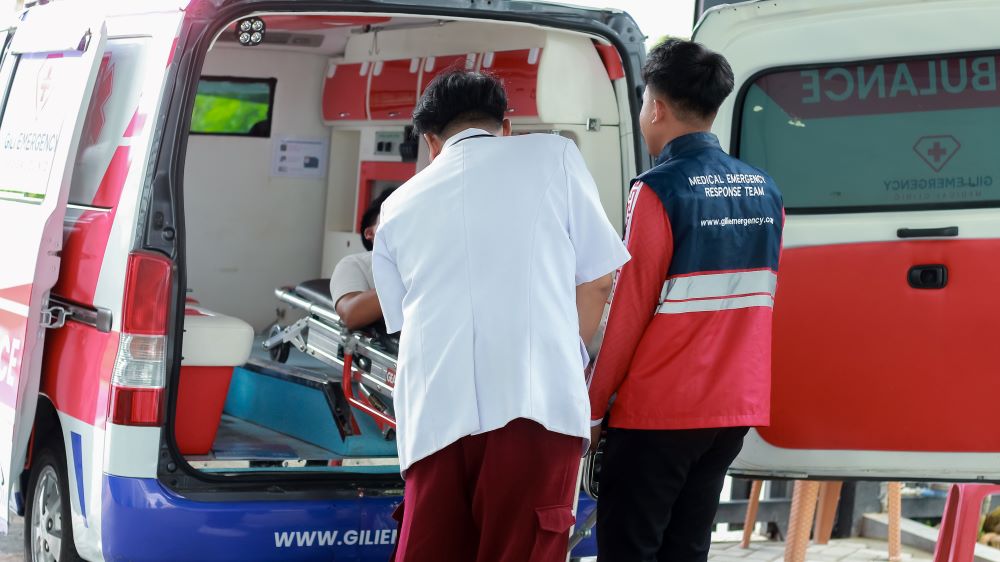
But the reality is a bit different. When someone makes a Gili T call ambulance request, the call usually connects quickly with a local medical response team that works together with providers like Gili medical service and Gili medical clinic.
The process itself is simple.
They ask where you are. What happened. Whether the person can move or not.
That’s basically it.
From there, the ambulance Gili team prepares to head toward the location. Now, of course, Gili Trawangan doesn’t have normal cars. Everyone knows that.
No motorbikes either.
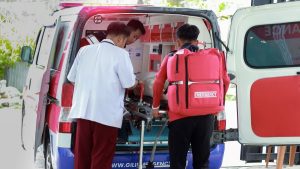
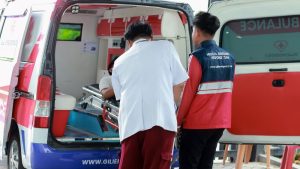
So the ambulance vehicles are small medical transport carts designed specifically for the island. Narrow enough for sandy paths, quick enough to reach most areas in minutes.
The island might look chaotic on a map. In practice, locals know every shortcut.
If help is needed, the emergency contact people usually use is:
+6282-312-112-112
It’s one of those numbers that travelers rarely think about… until they suddenly need it.
Why People Sometimes Need a Gili T Call Ambulance
Most of the time, nothing serious happens on the island. Gili Trawangan is generally relaxed and safe.
But it’s still travel.
And travel means unpredictable moments.
Bicycle accidents are probably the most common reason someone ends up making a Gili T call ambulance request. The roads look simple, but patches of loose sand can send a bike sliding faster than expected.
I’ve seen it twice.
One time the rider stood up immediately and laughed.
The other time… not so much.
Snorkeling issues also appear from time to time. People underestimate currents or spend too long in the water under strong sun.
Then there are diving concerns. Divers know that unusual symptoms after a dive shouldn’t be ignored. In those situations, making a Gili T call ambulance quickly is the safest move.
And of course, there are everyday travel problems.
Food poisoning.
Fever.
Heat exhaustion.
Nothing glamorous about those.
Clinics like Gili medical clinic and Gili medical service deal with cases like these constantly, especially during high tourist season.
What the Medical Team Usually Does First
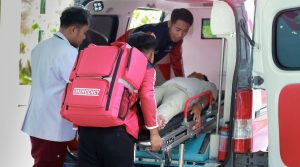
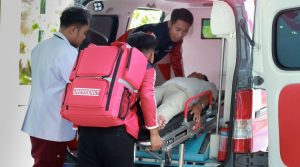
Once the ambulance Gili team arrives, the atmosphere often changes immediately.
Not louder.
Actually… calmer.
Medical staff assess the situation quickly. Sometimes the treatment happens right where the patient is sitting—on a bench, outside a hostel, occasionally even near the beach.
Other times the patient is transported to Gili medical clinic for observation.
The equipment they carry is basic but practical. Oxygen, monitoring tools, emergency supplies.
Enough to stabilize someone while deciding what the next step should be.
If the situation requires more advanced treatment, Gili medical service may arrange transport to Lombok where larger hospitals are available.
But most cases never reach that stage.
Island medicine is often about quick response and good judgment.
Island Life Makes Emergency Response Unique
Calling an ambulance in a big city is predictable.
Roads. Sirens. Traffic.
Gili Trawangan works differently.
The “roads” are sandy lanes shared by bicycles, pedestrians, and the occasional horse cart. At night, some areas are dimly lit. During sunset hours the island becomes surprisingly busy.
So the Gili T call ambulance system relies heavily on local awareness.
Hotel staff help guide the team.
Restaurant workers point the way.
Sometimes random tourists move bicycles aside so the medical cart can pass.
It’s not a formal system.
But somehow it works.
And there’s something reassuring about that. A small island taking care of its visitors.

A Small Tip Most Travelers Forget
Here’s something simple.
Before your trip really begins—maybe while waiting for the boat from Bali or Lombok—save the ambulance number in your phone.
+6282-312-112-112
That way, if a situation ever requires a Gili T call ambulance, you won’t waste time searching for the number online.
You’d be surprised how often people panic and start googling instead.
Better to have it ready.
Share it with your travel friends too. Someone in your group might need it one day.
Hopefully not, of course.
But still.
The Quiet Safety Net on Gili Trawangan
From the outside, Gili Trawangan looks like pure vacation energy. Beach bars, diving boats, sunset swings in the water.
And that’s mostly true.
But behind that relaxed atmosphere, there’s also a quiet support system. Medical professionals from Gili medical service, experienced staff at Gili medical clinic, and the dedicated ambulance Gili team ready when something goes wrong.
It’s not flashy.
You probably won’t notice it during your trip.
Yet it’s there.
So if you ever hear someone suggest making a Gili T call ambulance while you’re on the island, don’t assume the worst. It simply means there’s a system designed to help quickly when needed.
On a small tropical island surrounded by ocean, that kind of backup matters more than people realize.
And knowing it exists makes exploring Gili Trawangan feel just a little bit safer.