I wasn’t even thinking about safety at first. The island felt too calm for that. But somehow, the phrase Gili Meno Island emergency popped into my mind after I saw someone being helped off the beach one afternoon. Nothing dramatic, I think. Still, it lingered. Funny how a small moment can shift your perspective just a little.
The Calm Side… and the Other Side
Gili Meno has this quiet charm.
No cars. No horns. Just bicycles, soft sand, and the kind of silence that makes you breathe slower without realizing it.
But here’s the thing—sometimes that same silence makes everything feel a bit more intense when something goes wrong.
A headache feels sharper. A fall feels heavier.
And in a Gili Meno Island emergency, that contrast becomes very real.
Where Do You Actually Go?
This is usually the first question people don’t ask—until they need to.
There is a doctor Gili Meno visitors can reach out to. Typically experienced, used to tourists, and surprisingly calm even in stressful situations. That alone helps more than you’d expect.
Then there’s the Gili medical clinic. Small place. Not fancy. But it works.
Basic treatment happens there. Cuts, fevers, mild reactions. It’s the kind of place you’re glad exists, even if you never planned to visit.
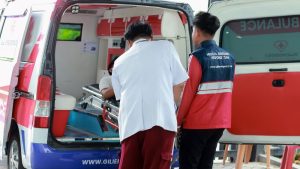
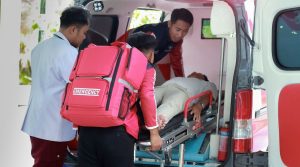
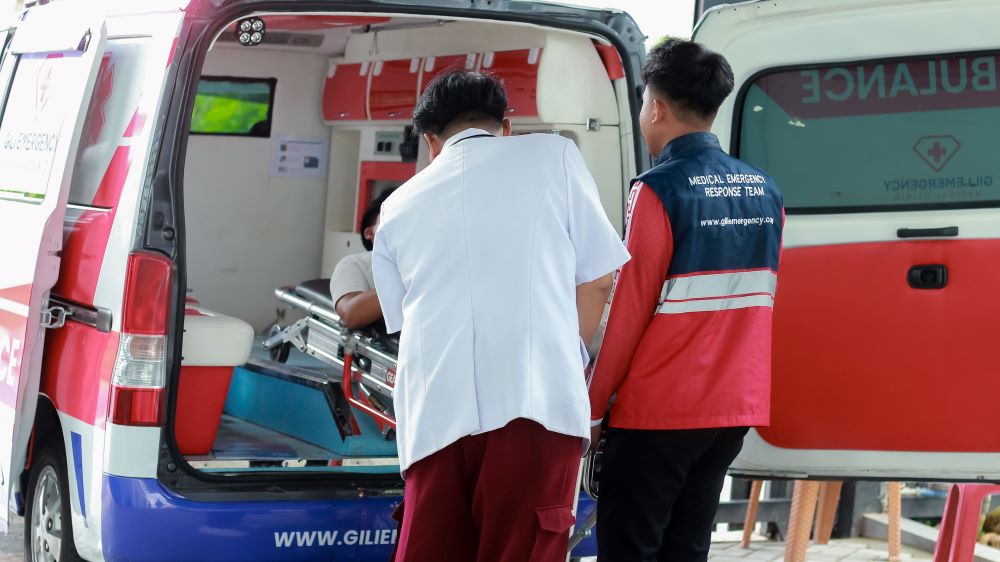
For bigger issues, Gili emergency service handles the next step. And that’s where things get a bit… layered.
It’s Not Just One Step
A Gili Meno Island emergency doesn’t resolve instantly.
It moves.
First, someone helps you. Maybe a local, maybe another traveler.
Then you get checked—either by a doctor or at the clinic.
If it’s serious, arrangements begin. Boats, timing, weather. Everything matters.
Sometimes it’s quick.
Sometimes you wait.
And waiting, well… it feels different when you’re on an island.

The Kind of Incidents That Actually Happen
Not everything is dramatic. In fact, most things aren’t.
People get dehydrated more often than you’d think. The heat feels gentle until it suddenly doesn’t.
Snorkeling accidents happen too. Coral cuts, small but painful. Or a moment of panic when currents shift.
Cycling at night? A bit tricky. Uneven paths, low lighting. It only takes one wrong move.
Each of these could turn into a Gili Meno Island emergency if ignored.
And people do ignore things. At first.
A Moment I Can’t Forget
There was this one evening—kind of quiet, sky turning orange.
A traveler sat near me, holding his arm awkwardly. You could tell something wasn’t right.
He laughed it off at first. Said he fell earlier while biking.
But later, I heard he had to go to the Gili medical clinic. Turned out to be more than just a bruise.
Nothing severe, thankfully.
But what stayed with me wasn’t the injury—it was how long everything took. Not because people were slow, but because the island has its own rhythm.
That’s what a Gili Meno Island emergency feels like sometimes.
Not chaotic. Just… stretched.
Preparation Feels Boring (Until It Isn’t)
Let’s be honest.
Nobody likes planning for worst-case scenarios on vacation.
But a few small things can make a difference.
Save the number for Gili emergency service. You might never use it. Still worth having.
Know where the Gili medical clinic is. Just casually, no need to overthink it.
And yes, travel insurance. Not exciting. But incredibly useful if evacuation is involved.
It’s the kind of thing you forget about—until you don’t.
The People Who Help
One thing that stood out to me—people here don’t panic easily.
A doctor Gili Meno professional tends to stay grounded, even when situations feel tense.
That calm spreads. It helps you think more clearly.
But of course, there are limits. Equipment isn’t the same as in big cities. That’s just how small islands work.
Which is why some cases need to be transferred elsewhere.
When You Have to Leave the Island
This part is important, even if it’s uncomfortable to think about.
In a serious Gili Meno Island emergency, evacuation becomes necessary.
Usually by boat.
Sometimes conditions are perfect, and everything moves quickly.
Other times… not so much.
Weather plays a role. Time of day too. Night transfers can be more complicated.
Typically, patients are taken to Lombok first. Then, if needed, to Bali.
It’s not a straight line. More like steps.
And yes, those steps can feel long.

Small Habits That Matter More Than You Think
You don’t need to change your entire trip.
Just be a little more aware.
Drink water regularly, even if you don’t feel thirsty.
Wear something on your feet when cycling at night.
Take care of small cuts immediately. In a tropical setting, they can worsen faster than expected.
Most Gili Meno Island emergency situations don’t begin as emergencies.
They start small.
Quietly.
Something About the Island
It’s strange, really.
Places like Gili Meno make you feel safe without saying anything.
Maybe it’s the silence. Maybe the simplicity.
But that same simplicity means you notice things more when they shift.
And that’s not a bad thing.
It just means you stay a little more present.
Final Thoughts on Gili Meno Island Emergency
Thinking about a Gili Meno Island emergency doesn’t mean expecting the worst.
It just means understanding where you are.
Knowing about the doctor Gili Meno services, the Gili medical clinic, and how Gili emergency service operates gives you a quiet kind of reassurance.
You’ll probably never need it.
Most people don’t.
But if something happens—even something small—you won’t feel completely lost.
And that changes everything, in a subtle way.
You go back to enjoying the island.
The breeze. The water. The stillness.
Just with a bit more awareness tucked in the back of your mind.