
Let me say something most travel blogs won’t.
When you imagine paradise, you don’t imagine sirens. You don’t imagine stress. You definitely don’t imagine googling Gili Meno emergency for tourists while sitting in a beach café with sandy feet.
But here’s the quiet truth: understanding Gili Meno emergency for tourists before you need it feels very different from searching it in a panic.
And Gili Meno… well, it’s small. Beautifully small. Almost stubbornly simple.
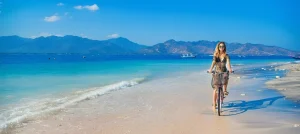
No cars. No loud traffic. Just bicycles creaking by and the distant clip-clop of horses on sand. It’s dreamy, it’s slow. It’s the kind of place where you lose track of time.
But remoteness has a personality of its own.
Why Gili Meno Emergency for Tourists Is About Geography, Not Fear
First, let’s breathe.
Gili Meno is not unsafe. It’s actually one of the calmest islands near Lombok. Crime is low. The community feels tight. People greet you. They remember your name. That part feels comforting.
The issue isn’t danger.
It’s distance.
When we talk about Gili Meno emergency for tourists, we’re really talking about logistics. If something serious happens, advanced treatment isn’t ten minutes away. It’s across the water.
And water, as peaceful as it looks at sunset, can change mood quickly at night.
I remember watching a speedboat leave after dark once. The engine sounded louder than usual. The sea looked black instead of blue. Not dramatic. Just… real.
That’s the context.

The Kind of Emergencies That Actually Happen
Let’s not exaggerate.
Most Gili Meno emergency for tourists situations are minor. Sunburn that goes too far. Dehydration after snorkeling too long. A coral scrape that starts swelling the next day.
Small beginnings.
Sometimes diving-related concerns appear. Divers push limits, even unintentionally. A missed safety stop. Fatigue. Mild decompression symptoms that feel confusing at first. Dive operators usually respond fast, providing oxygen and contacting medical support.
There’s also the classic traveler moment: “It’s just a stomach ache.” Until it’s not.
Food sensitivity happens. New spices, different water, unfamiliar bacteria. The body adjusts. Usually.
And then there are bike falls. The sandy paths can surprise you. One second steady, next second sideways.
Nothing extreme. But enough to make preparation wise.
Gili Meno emergency for tourists becomes relevant in those in-between situations. Not life-or-death. Just urgent enough.
What Emergency Service Really Means on the Island
Let’s clarify something gently.
There is no full-scale hospital on Gili Meno. Emergency service exists in a basic, first-response capacity. For more serious conditions, evacuation to Lombok is arranged.
Clinics like Gili medical clinic handle initial assessment and stabilization. They clean wounds, treat infections, provide IV fluids for dehydration, manage minor fractures, and monitor patients. Gili medical service providers coordinate transfers when needed.
The system works. It’s just layered.
Stabilize here. Transfer there. Escalate if necessary.
Weather plays a role. Daytime transfers are smoother. Night adds complexity. Sea conditions matter. It’s island logic.
And that’s why understanding Gili Meno emergency for tourists before arrival removes uncertainty later.
The Evacuation Process (It’s Calmer Than You Think)
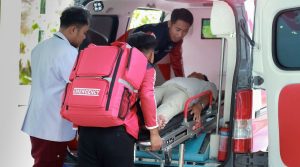
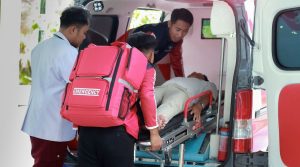
If a case requires more advanced care, a boat transfer to Lombok is arranged. It’s not chaotic. It’s organized through local networks.
Staff from Gili medical clinic or another Gili medical service will prepare the patient. Communication happens fast—word travels quickly on a small island.
The boat ride can feel longer than it is. Especially at night. Especially if you’re worried.
But it happens regularly enough that procedures are familiar to locals.
From Lombok, hospitals provide broader facilities. In rare cases, transfer to Bali is considered.
Gili Meno emergency for tourists sounds intimidating when imagined vaguely. When understood clearly, it becomes procedural.
And procedures are reassuring.
Insurance: The Detail You’ll Be Grateful For
I’ll say this without drama.
Get travel insurance that covers water activities and evacuation.
Because Gili Meno emergency for tourists involving boat transfers can become expensive. Not outrageous—but significant enough to matter.
Many travelers assume health costs abroad are automatically affordable. Sometimes they are. Sometimes not.
Insurance turns a stressful moment into paperwork.
And paperwork, while boring, is manageable.
Check coverage for:
-
Snorkeling and diving
-
Emergency boat evacuation
-
Hospital care in Indonesia
It takes fifteen minutes to verify. It can save thousands later.
Small effort. Big relief.
Prevention Feels Boring—Until It Doesn’t
Let’s talk about the unexciting stuff.
Drink more water than feels necessary. The breeze hides dehydration.
Use reef shoes. Coral cuts are common.
Disinfect even small wounds immediately.
Rest between dives.
Eat from reputable places.
It’s basic advice. Almost repetitive.
But repetition prevents Gili Meno emergency for tourists scenarios from ever happening.
I once ignored a small scrape on my foot during a beach trip—different island, similar climate. It looked harmless. Two days later, it didn’t. Tropical environments heal slowly if neglected.
Lesson learned.
Prevention isn’t dramatic. It’s quiet responsibility.
The Psychological Side No One Mentions
Here’s something interesting.
Knowing about Gili Meno emergency for tourists actually makes you relax more deeply.
Because uncertainty creates tension. When you don’t know what would happen in an emergency, your mind keeps a background worry running.
When you know:
-
Where the nearest Gili medical clinic is
-
How emergency service works
-
What Gili medical service providers can and cannot do
Your brain settles.
You swim more freely. You explore more calmly.
It’s subtle. But noticeable.
Preparation removes invisible stress.
Is Gili Meno Safe Overall?
Yes.
Let’s anchor this clearly: Gili Meno emergency for tourists cases are not daily crises. They are occasional situations handled within the island’s capability and referral system.
There are no cars, which reduces traffic accidents. The community is attentive. The island is peaceful.
Most issues are environmental or activity-based—not crime-related.
And honestly, risk exists everywhere. Cities have hospitals nearby but also higher accident rates. Islands have distance but lower chaos.
It’s a trade-off.
Understanding that balance changes perspective.
A Final Word on Gili Meno Emergency for Tourists
Travel isn’t about eliminating risk. It’s about managing it wisely.
When you understand Gili Meno emergency for tourists procedures, you step onto the island differently. Not anxious. Not hyper-alert.
Just informed.
Save important numbers. Know the location of a Gili medical clinic. Confirm your insurance. Respect the sun. Respect the sea.
Then let go.
Feel the sand. Notice the silence at night. Watch the sky change color without checking your phone.
Paradise doesn’t require perfection. It requires awareness.
And once you have that, Gili Meno emergency for tourists becomes what it should be: background knowledge you hopefully never need—but feel grateful to have.
Because confidence, especially on a small island, is the quiet luxury no one advertises.