
You don’t come to paradise thinking about clinics.
You come for salt on your lips, for slow mornings, for that particular shade of blue that only exists around Lombok. And yet, somewhere between booking your ferry and choosing your beach bungalow, a practical thought might flicker: Where is the Gili Islands nearest clinic if I need it?
Not dramatic. Just practical.
The phrase Gili Islands nearest clinic sounds clinical, almost cold. But in reality, it’s about peace of mind. The kind that lets you swim farther, explore longer, stay out for sunset without that tiny whisper of “what if?”
I didn’t think about it either — until I saw someone faint from heat exhaustion near the harbor. That moment changed how I see island travel.
The Island Is Small. That’s Both the Charm and the Catch.
The Gili Islands are car-free. No traffic noise. No engines. Just bicycles crunching over sandy paths and the occasional horse cart passing slowly. It feels beautifully detached from the mainland.
But small islands operate differently.
There isn’t a giant hospital complex hidden behind palm trees. Healthcare here is scaled to island life. When travelers search for the Gili Islands nearest clinic, they’re often trying to understand how prepared the island actually is.
The answer? Prepared — but realistic.
A Gili medical clinic handles common travel issues every single day. Dehydration. Minor fractures from cycling mishaps. Food-related stomach problems. Diving ear pressure. Coral cuts that looked harmless at first.
It’s not flashy medicine. It’s practical medicine.
And practical works.

Sun, Salt, and Small Mistakes That Grow
Something about tropical heat makes people overconfident.
“It’s just sun.”
“It’s just a mild headache.”
I’ve heard all three.
A traveler I met on Gili Air ignored a coral scrape after snorkeling with turtles. Two days later, the wound had reddened and swollen more than expected. He walked into the Gili Islands nearest clinic slightly embarrassed.
The nurse didn’t react with surprise. Just cleaned it carefully, prescribed antibiotics, and explained how bacteria thrive in warm seawater.
No drama. No lectures.
Just quiet competence.
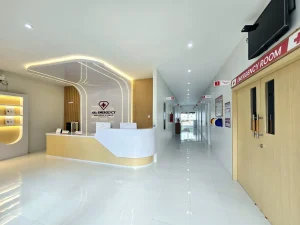
That’s the rhythm you’ll notice inside a Gili medical clinic. Calm voices. Organized trays. The low hum of air conditioning fighting tropical humidity. Outside, sunlight. Inside, steadiness.
Sometimes steadiness is all you need.
What a Gili Medical Clinic Can — and Can’t — Do
Let’s not romanticize it too much.
A Gili medical clinic is not a multi-specialty urban hospital. You won’t find advanced surgical theaters or endless departments. But what you will find is targeted capability.
They commonly treat:
-
Heat exhaustion and dehydration
-
Food poisoning
-
Minor fractures and sprains
-
Allergic reactions
-
Ear barotrauma from diving
-
Basic lab testing
-
IV fluid therapy
And yes, emergency service coordination.
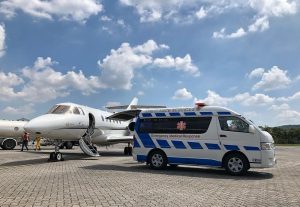
If something serious happens, the first step is stabilization. The second step may involve transfer to Lombok or Bali by boat ambulance. Sea conditions matter. Timing matters. But the system exists.
It’s not improvised. It’s practiced.
And that distinction feels important when you’re far from home.
Diving Changes the Equation
The Gili Islands are known for diving. Clear visibility. Sea turtles. Gentle currents — usually.
But even experienced divers can experience ear pressure problems or mild decompression concerns. That’s where a Gili doctor becomes more than just a general practitioner. Many are familiar with dive-related injuries and understand early symptoms.
You walk in unsure.
You walk out informed.
The Gili Islands nearest clinic often acts as the first checkpoint. Assessment. Oxygen if necessary. Clear instructions. Referral if required.
And interestingly, most cases turn out to be less serious than feared.
Fear tends to expand in silence. It shrinks in consultation.
Emergency Service on a Car-Free Island
Let’s address the image in your head.
No, there aren’t ambulances speeding through intersections. There are no intersections.
Emergency service on the Gili Islands operates differently. Transport may involve a cart or coordinated pickup. Because distances are short, reaching the Gili Islands nearest clinic is often quicker than you’d expect.
But nighttime and weather can complicate transfers to the mainland. Rough seas delay boats. That’s why early medical evaluation matters more here than in big cities.
Hesitation costs time.
Time matters more on islands.
Still, the response culture is proactive. Staff are used to acting fast when needed. It’s part of island preparedness that visitors don’t always see.
The Subtle Psychology of Knowing
Here’s something I didn’t expect.
Just knowing where the Gili Islands nearest clinic is located changes how you experience your trip. It’s almost subconscious.
You cycle without scanning every turn anxiously.
You snorkel without replaying worst-case scenarios.
And you eat street-side grilled fish without second-guessing every bite.
Preparation reduces background noise in your mind.
And the quieter your mind, the richer the experience.
It sounds philosophical. It’s actually practical.

Costs, Insurance, and Quiet Worries
Medical costs vary depending on treatment. A simple consultation at a Gili medical clinic is generally affordable compared to Western standards. IV fluids, lab work, or evacuation increase expenses significantly.
Travel insurance isn’t exciting to talk about. But it becomes very interesting when you need it.
Most clinics provide documentation for claims. Payment methods differ — cash is often easiest.
Before you settle into your guesthouse, it’s wise to identify the Gili Islands nearest clinic on a map. Save the number. Check the route. Maybe even cycle past it once.
You’ll probably never need to go inside.
But your nervous system will appreciate the preparation.
Differences Between Gili T, Gili Air, and Gili Meno
Not all islands offer identical facilities.
Gili Trawangan has the most developed medical presence. If you’re staying there, accessing the Gili Islands nearest clinic is straightforward and relatively simple.
Gili Air has reliable services as well, though slightly smaller in scale.
Gili Meno is quieter. Beautifully quiet. But with fewer facilities, serious conditions may require faster transfer to neighboring islands.
It’s not about fear. It’s about context.
Paradise is still paradise — even when you understand its limits.
When You Shouldn’t Wait
Sometimes travelers delay seeking help because they don’t want to interrupt their vacation mood.
But severe pain, breathing difficulty, high fever, persistent vomiting, confusion — these are not “wait and see” symptoms.
Go to the Gili Islands nearest clinic immediately.
Even if it turns out to be minor, reassurance is worth more than speculation.
Speculation amplifies stress.
Assessment reduces it.
It’s that simple.
A Final Thought Before You Pack
Chances are, you won’t need medical care during your stay. Most trips unfold exactly as planned — lazy afternoons, glowing sunsets, sandy flip-flops.
Still, take five minutes before your first swim. Locate the Gili Islands nearest clinic. Understand how emergency service works. Know that a qualified Gili doctor is available if something feels off.
Then let it go.
Because preparedness isn’t pessimism.
It’s freedom wearing practical shoes.
And when you’re floating in warm turquoise water with the sun dipping low, that quiet layer of confidence makes the moment even sweeter.