You probably won’t think about a Gili Islands medical emergency when you first step onto the sand. I didn’t either. Everything feels… easy. Light. Like nothing serious could ever happen here. The kind of place where time stretches out and worries shrink.
But then again, that’s exactly why it catches people off guard.
I remember this one afternoon—hot, still air, barely any wind—someone near the beach started complaining about dizziness. At first, it looked minor. People kept chatting. A few minutes later, though, things changed. Quiet panic. Someone running. Someone calling for help.
That moment stuck with me.
When Paradise Meets Reality
The Gili Islands are small. That’s part of their charm. No cars, no loud traffic, just bikes and horses and sandy paths that go everywhere and nowhere at the same time.
But small also means limited.
So when a Gili Islands medical emergency happens, it doesn’t unfold like it would in a big city. There’s no instant ambulance pulling up in seconds. No massive hospital down the street.
Instead… there’s a pause. Then movement. Then coordination.
It Often Starts With Something Small
It’s rarely dramatic at first.
A mild fever. A weird stomach feeling. Maybe a cut from coral that stings more than expected. You tell yourself it’s nothing. Happens all the time, right?
But the heat here is intense. The humidity too. Your body reacts differently.
And sometimes, without much warning, that small issue turns into a Gili Islands medical emergency that suddenly feels urgent.

Meeting a Gili Doctor for the First Time
Finding a Gili doctor isn’t difficult, especially on the busier islands.
And honestly, that’s comforting.
The first time I walked into one, I wasn’t even sure what to expect. It felt simple. No complicated system. Just direct, human interaction. You explain what’s wrong, they listen carefully, ask questions, check symptoms.
It feels… personal.
Inside a Gili Medical Clinic
A Gili medical clinic isn’t intimidating. That’s the first thing you notice.
It’s quieter than you’d expect. Maybe a ceiling fan spinning lazily. A few chairs. Some equipment, but not overwhelming.
They handle quite a lot:
- Basic injuries
- Dehydration treatments
- Infections
- General medical checks
And in many cases, that’s enough.
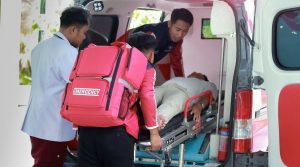
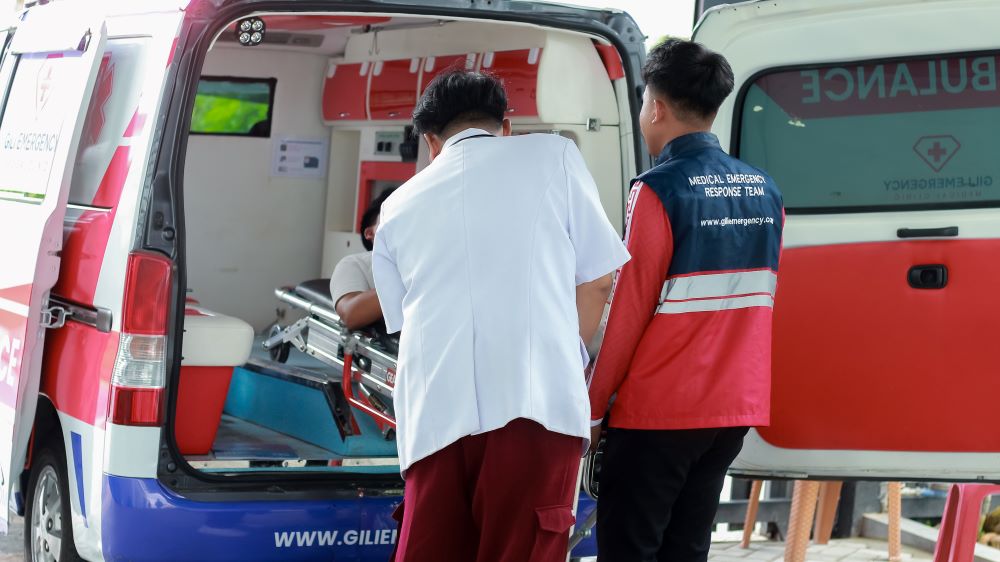
But if things go beyond that—if it becomes a real Gili Islands medical emergency—they’ll act quickly to move you somewhere more equipped.
Gili Emergency Service in Real Life
This part surprises people.
The Gili emergency service doesn’t look like a typical emergency system. It’s more flexible. Less structured. But somehow still functional.
If you need help, the clinic, your hotel, or even locals might coordinate together. There’s a sense of shared responsibility.
And yes… sometimes transport involves a horse cart.
It feels almost surreal in a tense moment. But that’s how things work here.
During a Gili Islands medical emergency, what matters isn’t perfection—it’s speed and cooperation.
Leaving the Island for Treatment
There comes a point where staying isn’t an option.
If a Gili doctor determines your condition is serious, evacuation is the next step. Usually to Lombok, sometimes Bali.
And this is where things feel a bit intense.
You’re taken to the harbor, often quickly, sometimes a bit disoriented. Then onto a boat. The sea decides how smooth that journey will be.
I’ve heard people describe it as calm. Others… not so much.
Either way, a Gili Islands medical emergency doesn’t wait for perfect conditions.
The Financial Side (That People Avoid Talking About)
Let’s not sugarcoat this.
It can get expensive.
Medical evacuation, treatment, transport—it adds up fast. A single Gili Islands medical emergency might cost more than you planned for your entire trip.
And when you’re in that situation, you don’t want to hesitate.
That’s why insurance matters. Not as a backup plan, but as something you expect to rely on if needed.
Diving: Amazing, But Respect It
Diving here is unforgettable.
Clear water, coral reefs, turtles swimming past like they don’t care about you at all. It’s peaceful in a way that’s hard to explain.
But it comes with risk.
If safety procedures are ignored, problems can appear. Slowly. Quietly.
Decompression sickness is one of them. And when it happens, it turns into a Gili Islands medical emergency that requires specialized care—not available directly on the islands.
So yes, dive. Enjoy it. Just don’t take shortcuts.
Nighttime Feels Different
Everything changes at night.
The islands get quieter. Darker. Movement slows down. And if something goes wrong, it feels… heavier.
A Gili Islands medical emergency at night isn’t impossible to handle, but it does add layers of difficulty. Boats may be limited. Visibility is lower. Communication can take longer.
It’s subtle, but you notice it.
That’s why acting early matters. Waiting until things get worse at night? Not ideal.
Communication Isn’t Always Perfect
Most Gili doctor staff speak good English. That helps a lot.
But in stressful situations, even simple conversations can feel confusing. You forget words. You repeat yourself. Things get mixed up.
And during a Gili Islands medical emergency, clarity is everything.
So preparing small things helps more than you’d think:
Know your nearest Gili medical clinic.
Save contact numbers.
Let someone know if you’re not feeling well.
Simple steps. Easy to overlook.

People Step In—Unexpectedly
This is something I didn’t expect.
When something goes wrong, people help. Not just staff, but strangers too. Other travelers. Locals passing by. Someone always seems ready to assist.
It’s not organized.
But it’s real.
I once saw a traveler sit next to someone they didn’t know for over an hour, just to keep them calm during a Gili Islands medical emergency. No questions asked. Just… presence.
That kind of thing stays with you.
Small Habits That Actually Matter
You don’t need to overthink everything.
Just stay aware.
Drink water. More than usual. The heat drains you quietly. Wear proper footwear. Coral cuts are more annoying than they look. And don’t ignore symptoms.
Because what starts small can shift quickly into a Gili Islands medical emergency if left alone.
Final Thoughts, Just Being Honest
The Gili Islands are still incredible.
That hasn’t changed.
But understanding the reality behind a Gili Islands medical emergency doesn’t ruin the experience—it balances it. You enjoy things differently when you know what’s possible.
You relax, but not blindly.
You take care of yourself, without overthinking every step.
And if something does happen, you won’t feel completely lost.
Which, honestly, makes a big difference.