
The first thing people imagine about the Gili Islands is usually turquoise water, beach bikes, and lazy sunsets. Fair enough. But almost nobody thinks about what happens during a Gili Islands after hours emergency. Until suddenly, they have to. And honestly, that moment can feel strange. The islands become quieter after midnight. The roads darken a little. Music from beach bars fades into the distance. Then someone twists an ankle, gets food poisoning, struggles to breathe, or panics after a diving incident. Things shift fast.
I remember sitting near the harbor once, late evening, hearing waves hit the shore in uneven rhythm while a traveler nearby tried calling for help because his friend fainted after a snorkeling trip. It felt surreal. Beautiful island. Stress everywhere.
That’s why understanding a Gili Islands after hours emergency before you actually experience one matters more than most travelers realize.
Why Night Emergencies Feel Different on the Gili Islands
During the day, the islands feel easygoing. You can find cafes, dive shops, horse carts, beach clinics, and smiling locals almost everywhere. But nighttime changes the atmosphere completely.
Not in a scary way exactly. Just… quieter.
And because there are no cars on the islands, emergency response works differently compared to Bali or bigger Indonesian cities. A Gili Islands after hours emergency often involves coordination between local medical staff, transport providers, and sometimes even boat transfers depending on the severity.
Interesting thing is, many tourists assume medical care simply “doesn’t exist” at night here. That’s not really true. There are emergency contacts, emergency service Gili providers, and medical personnel available, but the process can feel slower if you’re unprepared.
Sometimes minutes feel longer near the ocean.
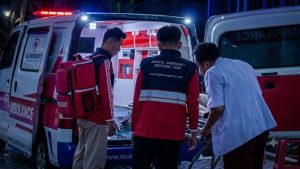
Common Situations That Trigger a Gili Islands After Hours Emergency
You’d think the biggest problems would come from wild parties. Surprisingly, not always.
A lot of nighttime medical issues on the Gilis are actually pretty ordinary.
Food Poisoning and Dehydration
This happens more often than people admit online. Travelers spend all day under intense sun, forget to hydrate properly, drink alcohol at sunset, then eat seafood late at night.
Bad combination.
Around midnight, symptoms kick in. Nausea. Dizziness. Stomach cramps. Suddenly people are searching for Gili medical service contacts while lying on a hotel bathroom floor regretting every life decision they made after happy hour.
Not glamorous.
Diving and Snorkeling Incidents
The islands attract divers from literally everywhere. And while most trips are safe, occasional complications happen. Ear barotrauma, exhaustion, panic underwater, jellyfish stings, coral cuts. Sometimes symptoms appear hours later.
A Gili Islands after hours emergency involving diving can become serious quickly, especially if breathing difficulties or decompression concerns are involved.
This is where a reliable Gili medical clinic becomes incredibly important.
Bike and Horse Cart Accidents
Even without cars, accidents happen constantly. Uneven sandy roads, poor lighting, tired tourists cycling after drinks. It’s common enough that local clinics are very used to handling cuts, sprains, and bruises after dark.
Honestly, some roads look harmless until you ride them at 11 PM.
Then suddenly they don’t.
How Emergency Service Gili Providers Usually Respond
One thing visitors should understand is that island healthcare systems operate differently from urban hospitals. Expectations matter.
Emergency service Gili teams often respond through phone coordination first. A clinic may send medical staff directly to your accommodation or ask you to come in depending on the condition. For severe cases, transfer arrangements to Lombok or Bali may begin immediately.
And yes, weather matters a lot.
If sea conditions are rough at night, transportation options can become limited. That’s why even a moderate Gili Islands after hours emergency should never be ignored or delayed.
I think travelers underestimate this part because island life feels relaxed during vacation mode. But emergencies don’t really care about vacation schedules.
The Role of Gili Medical Service During the Night
Most tourists only notice clinics while casually passing them on bicycles.
Then suddenly they become very important buildings.
A dependable Gili medical service can assist with injuries, IV hydration, infections, respiratory issues, fever, diving-related concerns, and emergency stabilization. Some services also coordinate evacuation support if advanced treatment is needed elsewhere.
The reassuring part? Medical staff on the Gilis are generally experienced with tourist-related injuries because they handle them constantly.
That weird sea urchin wound on your foot? They’ve probably seen ten this week already.
Still, every Gili Islands after hours emergency feels personal when it happens to you. Even small injuries seem bigger in unfamiliar surroundings. Especially late at night. Especially when Google searches start sounding dramatic.
What to Do Immediately During a Gili Islands After Hours Emergency
Panic wastes time. Easier said than done, obviously.
But a few practical steps really help.
Stay Somewhere Visible
If possible, move toward a populated area or notify hotel staff immediately. Many accommodations already know local emergency numbers and can contact a Gili medical clinic faster than tourists trying to search online in panic mode.
Hotel workers are often surprisingly calm during stressful situations. Maybe because they’ve seen it before.
Keep Your Phone Charged
Sounds obvious. Yet somehow everyone forgets.
A dead phone during a Gili Islands after hours emergency creates unnecessary complications, especially if transportation or evacuation coordination becomes necessary.
Describe Symptoms Clearly
Simple details matter more than dramatic storytelling. Mention fever, breathing problems, chest pain, bleeding, allergic reactions, unconsciousness, or diving history directly.
Medical staff need specifics quickly.
Not vacation backstory.
Why Preparation Makes a Huge Difference
I used to think travel planning beyond hotel bookings was excessive. Maybe a little paranoid.
Now? Not really.
Preparing for a Gili Islands after hours emergency doesn’t ruin spontaneity. It actually protects it. A tiny bit of preparation means less chaos later.
Before arriving, save emergency contacts. Know where the nearest Gili medical clinic is located from your accommodation. Keep travel insurance information accessible. Carry basic medication.
Simple things. Boring things.
But useful at 2 AM.
Travel Insurance Matters More Than People Think
Many visitors skip insurance because the islands feel low-risk. Then an emergency boat transfer becomes necessary and suddenly costs become overwhelming.
A serious Gili Islands after hours emergency involving evacuation to Bali or Lombok can become expensive very quickly. Insurance helps reduce financial stress during already stressful moments.
And honestly, stress makes everything feel worse physically too.

The Emotional Side of Medical Emergencies While Traveling
This part doesn’t get discussed enough.
Being sick or injured far from home feels oddly isolating. Even minor illness feels heavier in unfamiliar places. The sound of waves outside your villa can suddenly feel lonely instead of peaceful.
Strange how fast emotions shift.
During a Gili Islands after hours emergency, travelers often feel disoriented because routines disappear. Different language accents. Dark island paths. Uncertainty about healthcare standards. Tiny details become emotionally loud.
Yet interestingly, many travelers also talk about unexpected kindness afterward. Hotel staff helping with transportation. Strangers waiting outside clinics. Local nurses speaking gently to scared tourists.
Human moments stick.
Choosing Accommodation Near Medical Access
This is something people rarely consider while booking beach stays.
Location matters.
If you stay extremely isolated on quieter parts of the islands, accessing emergency service Gili support at night may take longer compared to accommodations closer to central areas.
Not saying remote stays are bad. They’re beautiful actually.
But if someone has asthma, allergies, heart conditions, or diving-related concerns, proximity to a Gili medical service becomes more important than sunset aesthetics alone.
Priorities change depending on circumstances.
What Travelers Usually Regret Forgetting
After reading travel forums for years, patterns appear constantly.
People regret not saving clinic numbers. They regret ignoring dehydration symptoms. They regret assuming small injuries would “just go away.” They regret partying too hard before early dive sessions.
And many regret not understanding how a Gili Islands after hours emergency system actually works before arriving.
Because once an emergency starts, searching for information feels much harder.
The islands are still incredible, by the way. Absolutely worth visiting. Warm ocean air, quiet mornings, bicycles rolling past beach cafes. It’s easy to fall in love with the atmosphere here.
Just don’t confuse peaceful with risk-free.
A little awareness changes everything.
And honestly, knowing there’s emergency service Gili support available nearby makes relaxing on the islands feel easier too. You enjoy the sunsets differently when you know what to do if something unexpected happens. That quiet confidence matters more than people realize.
Especially after dark.
