
A few months ago, I was sitting near the beach on Gili Air long after dinner. Nothing special was happening. A couple of travelers were still talking over drinks, somebody was pushing a bicycle through the sand instead of riding it, and somewhere in the distance a dog kept barking for reasons known only to that dog.
It was one of those slow island nights.
Then someone mentioned a Gili Air night ambulance.
Not loudly. Just in passing.
The conversation moved on almost immediately, but for some reason I kept thinking about it. Maybe because nobody travels to an island expecting to think about emergency healthcare. We think about sunsets. Boat trips. Good coffee. Maybe where to find the best snorkeling spots.
An ambulance service? Not really.
And yet the more I thought about it, the more it made sense.
Most People Arrive Thinking About Completely Different Things
I certainly did.
The first time I came to Gili Air, my concerns were embarrassingly simple. Finding a guesthouse. Not getting sunburned. Remembering which path actually led back to my room after dark.
That’s another thing about Gili Air. The island feels small until you’re trying to find a specific place at night.
Then somehow every sandy path starts looking similar.
Anyway.
Medical services were nowhere on my mental checklist.
I suspect most visitors are the same. The island has a way of convincing you that life is going to stay calm for a while. The atmosphere does that. The ocean does that. Even the pace of walking feels slower.
But real life never completely disappears.
A person can still get sick.
Someone can still fall off a bicycle.
A diving trip can still go wrong.
That is where the Gili Air night ambulance becomes relevant, even if nobody planned on needing it.
One Small Story I Still Remember
I’m not even sure why this stayed with me.
A traveler I met briefly told me about a friend who became ill late in the evening. Not a dramatic movie scene. No chaos. No crowd gathering around.
Just a situation that gradually became more serious.
At first everyone assumed it would pass.
Then an hour passed.
Then another.
Eventually professional medical help was needed.
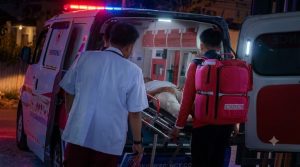
The story ended well, which is probably why it was told so casually. But the interesting part wasn’t the illness itself. It was the relief people felt knowing there was a Gili Air night ambulance available when the situation became uncertain.
Relief is an underrated thing.
You don’t notice it until it arrives.
Islands Feel Different After Midnight
This might sound obvious, but islands change personality at night.
During the day, Gili Air feels open and energetic. Boats arrive. Travelers wander around. Cafés fill up. The heat settles over everything.
After midnight?
Different world.
The roads become quieter.
The sounds travel further.
You start noticing things that disappear during daylight hours. The wind. The waves. Occasionally music from somewhere you can’t quite identify.
It’s peaceful.
Usually.
Which is exactly why a medical emergency feels more unsettling at night than during the afternoon.
The Gili Air night ambulance exists within that reality. Not the postcard version of island life. The real version.
The version where people sometimes need help.
The Strange Thing About Emergency Services
People judge many services by how often they use them.
Restaurants.
Hotels.
Ferries.
Tour guides.
Emergency services are almost the opposite.
The ideal outcome is never needing them.
That doesn’t make them less important.
Actually, it makes them more important.
A Gili Air night ambulance isn’t valuable because people talk about it every day. It’s valuable because it exists when conversations suddenly stop and practical action becomes necessary.
That sounds dramatic.
But maybe it’s true.
Ambulance Gili Air and the People Who Live There
Tourists tend to see destinations through a tourist lens. I’m guilty of that too.
We arrive.
We enjoy the scenery.
We leave.
Meanwhile, local life continues.
Children go to school. Businesses operate. Families deal with ordinary problems. Residents get sick just like anyone else.
Ambulance Gili Air services aren’t just supporting visitors who happen to be on holiday. They’re part of the infrastructure that serves the island community itself.
I think that’s worth remembering.
Sometimes travel articles accidentally make destinations feel like theme parks.
They’re not.
People live there.
A Random Observation From a Walk
One evening I got lost.
Not seriously lost.
Just mildly, unnecessarily lost.
I took a path I hadn’t used before and ended up near an area that looked familiar but somehow wasn’t. If you’ve spent enough time on small islands, you probably know the feeling.
While wandering around, I remember passing a few buildings connected to local services and thinking about how much work happens behind the scenes of a tourist destination.
Visitors see beaches.
Workers see responsibilities.
Those are very different perspectives.
The Gili Air night ambulance is one of those things operating quietly in the background while everybody else focuses on vacation photos.
Working Alongside Gili Medical Service Providers
Healthcare rarely depends on one person.
Or one vehicle.
Or one building.
It’s usually a chain.
A patient experiences symptoms.
Someone makes a phone call.
Medical staff assess the situation.
Decisions are made.
Transportation may become necessary.
Gili medical service providers work within that process, helping determine what kind of care is appropriate and how quickly it should happen.
The public usually sees only a small part of the picture.
Most of the coordination happens out of view.
Which is probably fine.
People needing help generally care more about results than logistics.
Why a Gili Medical Clinic Matters More Than Visitors Realize
Here’s a question.
How many travelers know where the nearest Gili medical clinic is before they arrive?
Not many, I suspect.
I certainly didn’t.
I knew where to watch the sunset.
I knew where to rent snorkeling equipment.
Medical facilities? Not so much.
That’s pretty normal. Humans naturally focus on enjoyable experiences rather than emergency preparation.
Still, a Gili medical clinic often becomes an important first point of contact when health concerns appear unexpectedly.
And when additional support or transportation is needed, the Gili Air night ambulance can become part of the response.
The two things are connected even if visitors rarely think about them together.
Sometimes the Best Services Are the Quietest Ones
There are services that become famous because people constantly talk about them.
Then there are services that stay mostly invisible.
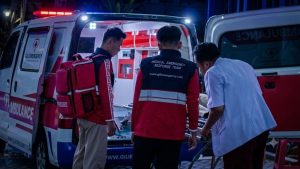
The Gili Air night ambulance falls into the second category.
Most nights, hopefully, nothing urgent happens.
Restaurants close.
Travelers head back to their rooms.
The island settles into silence.
Everything continues normally.
That’s the goal.
Yet knowing emergency support exists changes something psychologically. It creates a subtle sense of confidence, even among people who never consciously think about it.
Maybe that’s the real value.
Not attention.
Not publicity.
Just readiness.
Looking Back
When I first heard someone mention a Gili Air night ambulance, I honestly didn’t think much about it.
Now I do.
Not because it’s exciting.
Not because it makes a great holiday story.
Actually, quite the opposite.
It’s important precisely because most people never need to talk about it.
The beaches remain beautiful.
The sunsets remain spectacular.
Travelers continue arriving with plans for diving, snorkeling, and lazy afternoons by the sea.
Meanwhile, somewhere in the background, the systems that support island life keep functioning quietly.
Including the Gili Air night ambulance.
And maybe that’s exactly how it should be.
