You know that dreamy feeling when you land on a tiny tropical island—soft breeze, turquoise water, everything moving a little slower than usual? Gili Air gives you exactly that vibe. But somewhere in your mind, there’s always this tiny whisper: “Umm… what if something goes wrong?”
That’s where Gili Air emergency transport becomes the real MVP. It’s something you hope you never need, but trust me, when an emergency hits—knowing how things work on this car-free island can literally save the day.
So grab a drink, relax, and let’s talk like two friends on a bamboo terrace watching the sunset. Because the info you’ll read here? You will want to remember it.
1. Why Gili Air Emergency Transport Matters More Than You Think
Imagine you’re cruising on your bicycle, playlist on, wind in your face, golden hour setting the mood—and boom. Your friend swerves, falls, and suddenly can’t put weight on their leg. No cars. No ambulances. Just ocean breeze and rising panic.
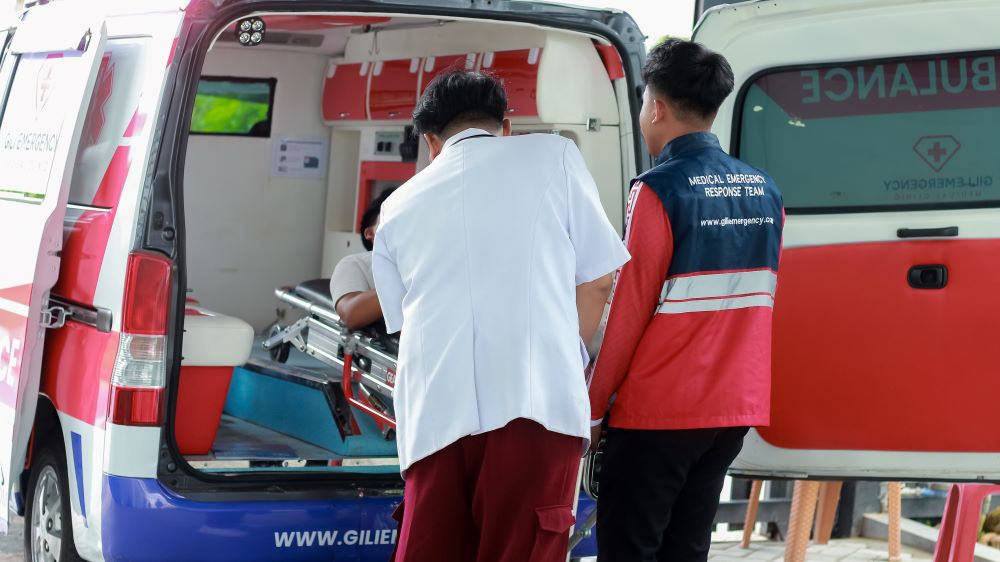
This is why Gili Air emergency transport is essential. Since the island is fully motor-free, emergency mobility relies on cidomo (the local horse cart), medics on foot, and fast boats for evacuation. Everything is surprisingly coordinated.
I once helped a traveler from Brisbane who had a massive allergic reaction after eating seafood. Face swelling, heart racing—the whole dramatic package. We called Gili emergency service and within minutes a medic showed up with gear, oxygen, and calm energy. Fast, focused, and honestly impressive. She was rushed to Lombok safely. That day I realized the system works way better than most visitors expect.
2. How the Emergency System Works Behind the Scenes
Most travelers think island life = chaos. Actually? The emergency system is pretty tight.
Here’s the quick flow of Gili Air emergency transport:
- You contact the hotline or the nearest Gili emergency service.
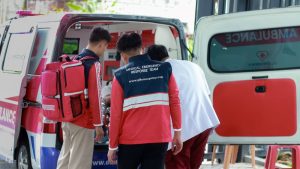
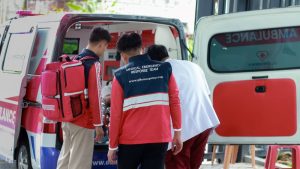
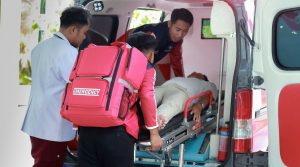
- A medic arrives via cidomo or on foot with equipment.
- If needed, you’re escorted to the closest jetty.
- A dedicated emergency speedboat takes you to Lombok.
- An ambulance is already waiting at the harbor.
The whole thing feels like a small, efficient relay team handing you off from one step to the next. Very human, very direct, very island-style—but it works.

3. The Role of Gili Emergency Clinic (Your First Medical Stop)
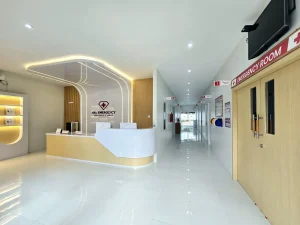
Before heading to a hospital on Lombok, many emergencies are first handled at Gili emergency clinic. Think of it as the stabilization spot—the place that makes sure you’re safe enough for the boat ride.
They usually take care of:
- Cuts, burns, and open wounds
- Allergic reactions
- Minor fractures
- Jellyfish stings
- Dehydration and heat exhaustion
- Snorkeling injuries (happens more often than you think)
Pro tip from a friend who works in tourism:
Download an offline map and save the clinic location.
It’s such a tiny thing but gives you huge peace of mind.
4. When Should You Actually Use Gili Air Emergency Transport?
A lot of people hesitate. “Maybe it’s not that serious?” “I don’t wanna bother anyone.”
But here’s the truth: on a small island, waiting makes everything worse.
If you can’t breathe properly, stay conscious, or walk normally—call right away.
Situations that absolutely require Gili Air emergency transport:
- Severe allergic reactions
- Breathing trouble
- Snorkeling or diving injuries
- Major cuts or bleeding
- High fever with dizziness
- Bicycle accidents (yes, super common)
- Head trauma
- Sudden swelling or numbness
Better safe than sorry. And trust me, the responders never see you as “annoying”—they’d rather come early than too late.
5. How Much Does It Cost? (Real Island Reality Check)
This is the question everyone whispers about. Prices vary, but here’s how it generally breaks down:
- Local pickup – cidomo or stretcher
- Emergency speedboat – usually the priciest part
- Ambulance on Lombok – waiting at the harbor
Locals say the emergency boat price is similar to booking a private charter. But here’s the good news:
Travel insurance covers it most of the time.
Seriously—if you’re coming to Gili Air, having insurance isn’t “extra.” It’s smart.
6. Tips to Speed Up an Evacuation (These Save Minutes!)
Let’s be real—when you’re panicking, even simple things feel complicated. So here are small but powerful tips to make Gili Air emergency transport smoother:
- Save emergency numbers on your phone’s home screen
- Keep your battery charged when exploring
- Use offline maps
- When snorkeling, ask guides about emergency pick-up points
- Avoid exploring completely alone
- Learn basic island landmarks (east jetty, harbor area, etc.)
It sounds basic, but these details can shave minutes off response time—and in emergencies, minutes matter.
I once watched a situation get delayed simply because someone didn’t know where they were on the island. The medic literally had to ask random beach cafés to locate them. Don’t be that person.

7. What It Actually Feels Like to Use Gili Air Emergency Transport
This one sticks with me. A Dutch traveler, Marit, fell off her bike after a light drizzle—classic slippery island moment. Her knee swelled instantly, and she couldn’t move.
We called for help. A cidomo appeared within minutes—the soft clop-clop of the horse on the sand, the smell of warm wood, the quiet night breeze. Oddly calming for such a tense moment.
“It’s going to be okay,” the medic said in a steady voice.
And somehow, that made all the difference.
The ride to the jetty was quick, and the coordination afterward felt smooth and professional. The speedboat sliced through the dark, the engine humming over the water. She made it to Lombok, got treated, and recovered fast.
Watching the system work up close made me appreciate just how crucial Gili Air emergency transport is for island life.
Don’t Hesitate When You Need Gili Air Emergency Transport
Hopefully, you’ll never have to deal with an emergency on your holiday—but if you do, just remember this: Gili Air emergency transport is quick, organized, and built to get you help right away.
With Gili emergency, Gili emergency service, and Gili emergency clinic ready to jump in, you’re never really alone—even on a tiny island surrounded by the sea. Chill, you’re covered.
Explore freely, stay safe, and if something ever goes wrong, make the call. The island has your back.