The first time I heard about Gili Air ambulance, it didn’t feel urgent. Just another service, right? Something in the background. But standing on that small island, feeling the slow rhythm of the waves and the quiet distance from mainland hospitals, it suddenly clicked—this is not just a service. It’s a lifeline. And maybe, just maybe, one you hope you’ll never need.
Why Emergency Services Feel Different on Gili Air
Gili Air is beautiful. Almost unreal. No cars, no loud traffic, just bicycles and horse carts moving lazily across sandy paths. It’s peaceful. But here’s the thing people don’t always consider—when something goes wrong, it can feel very far from help.
Hospitals? Not exactly next door.
That’s where the idea of an ambulance Gili Air becomes more than just a phrase. It becomes something real. Necessary.
Because emergencies don’t wait.
And islands, well… they have their own timing.
The Reality Behind Gili Air Ambulance Services
Let’s be honest. When you’re on vacation, the last thing on your mind is medical emergencies. You’re thinking about snorkeling, sunsets, maybe that fresh coconut you had earlier.
Not ambulances.
But Gili Air ambulance services exist for a reason. Actually, several reasons. Accidents happen—diving incidents, dehydration, even simple things like falling off a bike. It sounds minor, until it isn’t.
And when it isn’t… time matters.
A lot.
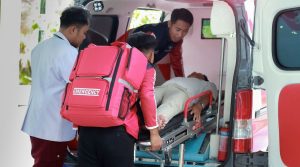
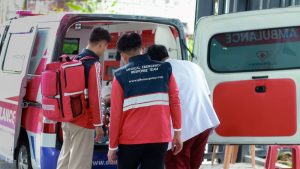
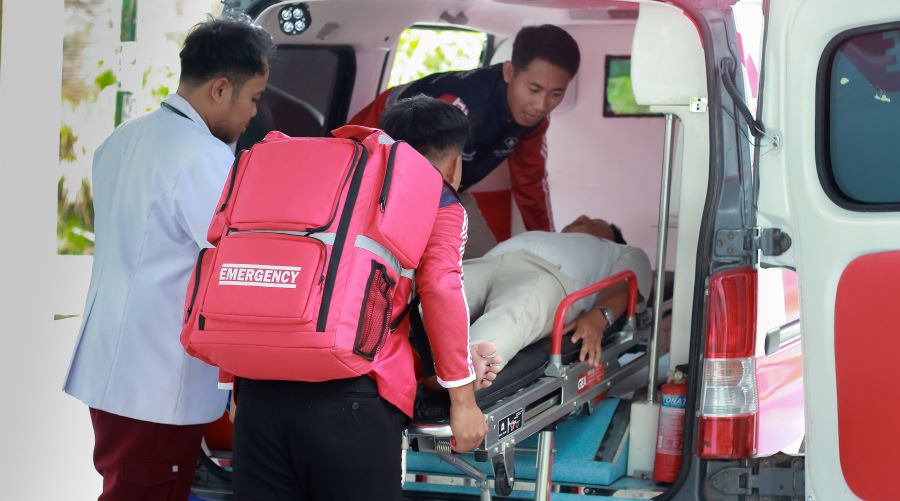
The process usually involves stabilizing a patient at a Gili medical clinic before arranging transport to Lombok or even Bali. Sometimes by speedboat. Sometimes coordinated with more advanced evacuation options.
It’s not dramatic like in movies. No sirens echoing through city streets.
It’s quieter.
More urgent in a different way.
How Gili Emergency Service Operates on a Small Island
Here’s something interesting. The Gili emergency service doesn’t operate like a big city system. It’s more… adaptive.
Flexible.
They rely on coordination. Communication. Local knowledge.
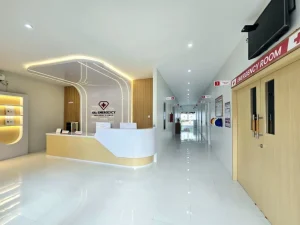
If someone needs urgent care, the first step is usually reaching out to a Gili medical clinic. These clinics are the backbone of healthcare on the island. Small, but surprisingly capable.
From there, decisions are made quickly:
- Can the patient be treated locally?
- Do they need evacuation?
- How fast can transport be arranged?
Sometimes it’s a race against time. Sometimes it’s precaution.
And sometimes… it’s both.
The Journey: From Island to Advanced Care
Imagine this.
It’s late afternoon. The sky is turning orange. A tourist feels a sudden, sharp pain—something serious. Not something you ignore.
They’re taken to a Gili medical clinic.
Assessment happens fast.
Then comes the decision: evacuation.
This is where Gili Air ambulance services step in. The logistics can be complicated. Boats need to be ready. Weather matters. Coordination with hospitals on Lombok or Bali must be smooth.
And yet, it happens.
More often than people realize.
There’s something quietly impressive about that.
Not Just for Tourists, But for Everyone
It’s easy to assume these services are mostly for travelers. And yes, tourists do rely on them.
But locals need them too.
Families. Workers. People who call the island home.
The ambulance Gili Air system doesn’t discriminate. It’s there for whoever needs it, whenever they need it. Which, honestly, makes it even more important.
Because living on an island shouldn’t mean limited access to critical care.
At least, not anymore.
Challenges That Make It All More Complex
Let’s not romanticize it too much.
Running a Gili Air ambulance service isn’t easy.
There are challenges:
- Weather conditions that can delay transport
- Limited medical equipment compared to big hospitals
- Distance from advanced care facilities
- Communication gaps, sometimes
And yet, despite all that, the system works.
Not perfectly. But reliably enough to save lives.
And that’s what really matters.
The Role of Gili Medical Clinics in Emergency Situations
If the ambulance is the bridge, then the clinic is the starting point.
Gili medical clinic facilities are often the first responders. They handle initial treatment, stabilization, and critical decision-making. Doctors and staff there have to think fast. There’s no luxury of endless resources.
Just skill. Experience. Instinct.
And maybe a bit of pressure.
Actually, a lot of pressure.
But they manage.
It’s one of those things you don’t notice unless you need it. Then suddenly, it’s everything.
Why Awareness Matters More Than You Think
Here’s a small thought.
Most people traveling to Gili Air don’t research emergency services. They check hotels, beaches, cafes… but not healthcare.
Understandable.
But maybe it shouldn’t be that way.
Knowing that a Gili Air ambulance exists—and how it works—adds a layer of confidence. You relax differently. There’s a subtle sense of safety in the background.
Like a quiet reassurance.
Even if you never use it.
A Personal Reflection (Well, Almost)
I remember talking to someone who had to use the service once. Not a dramatic story, no helicopter scenes or anything like that.
Just a sudden illness.
A bit of panic.
Then help arrived.
Quickly enough.
“Honestly,” they said, “I didn’t expect it to work that smoothly.”
That stuck with me.
Because expectations on small islands are often… lower.
But reality, in this case, turned out better.
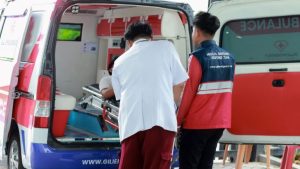
The Future of Ambulance Services on Gili Air
Things are changing.
Slowly, yes. But noticeably.
There’s growing awareness about the importance of Gili emergency service systems. Improvements in coordination, better equipment, stronger connections with hospitals on nearby islands.
It’s evolving.
Not into a big-city system, probably never that.
But into something more efficient. More reliable.
More reassuring.
And that matters.
What You Should Keep in Mind While Visiting
Not to sound overly cautious, but… a little preparation goes a long way.
Save emergency contact numbers.
Know the nearest Gili medical clinic.
Be aware of your surroundings, especially during activities like diving or cycling.
Simple things.
But helpful.
Because while Gili Air ambulance services are there, prevention is still better than reaction.
Always has been.
Final Thoughts on Gili Air Ambulance
At the end of the day, Gili Air ambulance isn’t something you see. It’s not part of the postcard image of the island. No one takes photos of it.
But it’s there.
Working quietly.
In the background.
And maybe that’s exactly how it should be.
Because the best emergency service is the one you never have to think about—until the moment you do.
And when that moment comes… it’s already in motion.