
The first night I arrived in Gili Trawangan felt almost unreal. Warm air, soft music from beach bars, bicycles rolling slowly past sandy roads. Everything looked easy. Relaxed. But travel has this funny habit of surprising people when they least expect it. A friend of mine suddenly developed a terrible fever after dinner, and honestly, nobody in our group knew what to do at first. That was the moment I heard about the Gili Trawangan island doctor for the first time, and weirdly enough, it changed how I viewed traveling on small islands forever.
Travel blogs usually talk about sunsets. Cocktails. Snorkeling trips. Sea turtles. Rarely about getting sick at 1 AM while humidity sticks to your skin and your phone battery sits at 8%.
But that stuff matters too.
Why Medical Access Matters More Than People Think
People often assume small islands mean limited healthcare. Sometimes that’s true. Sometimes not really. Gili Trawangan has grown fast over the years, and with tourism increasing, medical services have quietly improved in ways many travelers don’t notice until they actually need them.
That’s where the Gili Trawangan island doctor becomes important.
Not in a dramatic movie-style way. More in a calm, practical, deeply comforting way.
Maybe you get food poisoning after trying seafood from a random beach stall. Maybe dehydration hits after diving all day under brutal tropical heat. Or maybe your child wakes up coughing in the middle of the night. It happens. More often than people admit online.
And honestly, knowing there’s a doctor Gili Trawangan visitors can contact quickly changes your whole mindset.
You stop panicking.
A little, at least.
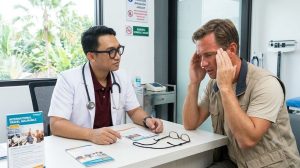
Small Island, Real Medical Support
One thing that surprised me was how responsive local clinics could be. I expected long waits or limited communication, but the reality felt different. Staff members were used to tourists. They spoke enough English. They stayed calm while nervous travelers acted… well, nervous.
The second time I heard someone mention the Gili Trawangan island doctor was from a diver who stepped on coral during a snorkeling trip. Nothing life-threatening, thankfully, but painful enough to ruin a vacation if ignored.
The clinic handled it quickly.
Cleaned the wound. Checked for infection. Explained what to watch for over the next few days. Simple things, really. Yet those simple things matter massively when you’re far from home.
Interesting, isn’t it? People spend months planning vacations but almost zero time thinking about medical access.
What Tourists Usually Need Most
Dehydration, Bali Belly, and Sunburns
Most medical visits on tropical islands are not dramatic emergencies. They’re smaller problems that become miserable if untreated.
Heat exhaustion is common. Especially for travelers who underestimate Indonesian humidity. You walk for twenty minutes under the afternoon sun and suddenly your body feels heavy and strange.
Then there’s stomach trouble.
Honestly, almost every experienced traveler has a story about bad ice cubes or suspicious seafood. The Gili Trawangan island doctor often helps visitors dealing with nausea, cramps, dehydration, and exhaustion after food-related illnesses.
Not glamorous. Very real.
Sunburn too. People laugh about it until they can’t sleep because their skin feels like burning paper. Tropical sunlight hits differently near the ocean. Stronger somehow.
And diving injuries happen more than expected.
Minor ear pressure issues. Coral cuts. Jellyfish stings. Scrapes from boat ladders. Tiny accidents that become big annoyances.
That’s why reliable Gili medical service options matter on an island packed with divers and backpackers every single week.
The Comfort of a 24-Hour Clinic
There’s something psychologically comforting about knowing a 24 hour clinic Gili Trawangan exists nearby.
Even if you never use it.
Maybe especially then.
Late-night anxiety feels louder on islands. Streets get quieter. Boats stop running. The ocean suddenly sounds enormous. So when somebody says medical help is available at any hour, your shoulders loosen without realizing it.
I remember sitting outside a café near the harbor after midnight once. A traveler from Germany had twisted his ankle badly cycling on the sandy road. Two locals helped him contact a Gili Trawangan island doctor, and within a relatively short time he was getting treatment instead of limping around helplessly.
The whole situation felt oddly human.
No chaos. No shouting. Just people helping.
That memory stayed with me.
Travel Feels Different When You Feel Safe
People rarely talk about emotional safety while traveling. Physical safety, yes. Emotional comfort? Not much.
But they connect.
Knowing a Gili Trawangan island doctor is available gives travelers freedom to actually relax. Families feel calmer. Solo travelers become more confident. Even older tourists seem more comfortable exploring the island once they know medical support exists.
And maybe that sounds dramatic. Maybe not.
Still, peace of mind changes everything.
You notice sunsets more when you’re not quietly worried about worst-case scenarios.
You sleep better too.
Healthcare on an Island Isn’t Always Perfect
To be fair, island healthcare has limitations. Serious emergencies may still require transport to Lombok or Bali depending on the situation. That’s just geographic reality.
Weather can affect boat transfers. Equipment availability varies. Tiny islands are still tiny islands.
But for everyday medical needs, many visitors are pleasantly surprised by the quality of care available through a Gili Trawangan island doctor.
Especially compared to what people expect beforehand.
And honestly, expectations matter a lot.
Some tourists arrive imagining there’s barely any healthcare infrastructure at all. Then they discover clinics with trained staff, emergency response options, and organized care systems designed specifically for international travelers.
Not perfect. But far from primitive.

Little Things Travelers Forget
Bring Basic Information
One thing I learned from frequent travelers: save important medical details on your phone before arriving.
Allergies. Insurance information. Emergency contacts.
Simple stuff.
Because when you suddenly need a Gili Trawangan island doctor, you don’t want to scroll through old emails while feeling dizzy or stressed.
Also, drink more water than you think you need.
Seriously.
People underestimate dehydration constantly in Indonesia. Air conditioning, salty food, diving activities, cocktails at sunset — it all adds up quietly.
Another good idea? Travel insurance.
Nobody wants to spend vacation money on unexpected medical bills. Insurance feels boring until it suddenly becomes extremely useful.
Funny how adulthood works like that.
More Than Just Treatment
Sometimes travelers don’t only need medicine.
They need reassurance.
A calm voice explaining symptoms. Someone saying, “You’ll probably be okay, but let’s check properly.” That emotional side of healthcare matters more than people admit.
The Gili Trawangan island doctor experience for many tourists is partly about reducing panic.
Especially for solo travelers.
Being sick abroad can feel strangely lonely. Even minor illnesses seem bigger when surrounded by unfamiliar sounds, languages, and roads made of sand instead of pavement.
Yet one helpful nurse or one patient doctor can completely shift the atmosphere.
I’ve seen it happen.
A Quiet Part of the Island Experience
Nobody books a tropical vacation hoping to visit a clinic. Obviously.
But healthcare quietly supports tourism in invisible ways. Travelers explore more confidently because support exists behind the scenes. Restaurants, diving schools, beach bars, hotels — they all benefit from visitors feeling protected.
That’s why the role of a Gili Trawangan island doctor matters beyond medicine itself.
It becomes part of the island’s trust system.
And maybe that sounds philosophical for a conversation about clinics on a beach island. But honestly, after enough traveling, you start noticing these things.
Good healthcare changes the feeling of a place.
By the end of my trip, I still remembered the beaches and turquoise water. Of course I did. But oddly enough, I also remembered how reassuring it felt knowing a Gili Trawangan island doctor was there if things went wrong. Travel becomes lighter when support exists quietly in the background, ready when people need it most.
