
The first time I searched for a Gili Air walk in clinic, I honestly wasn’t even sick yet. I just wanted that strange little comfort of knowing there was help nearby. You know the feeling. You arrive on a tiny island, the sea is glowing turquoise, scooters are replaced by bicycles, and suddenly your brain whispers, “Okay… but what if I get food poisoning?”
And on Gili Air, that thought comes surprisingly often.
Not because the island is dangerous. Far from it. The place feels soft somehow. Calm. Slow mornings, salty air, cats sleeping under café tables. But travel does weird things to the body. Sunburn happens. Tiny cuts get infected. Someone always drinks too little water. Or too much Bintang.
That’s where a Gili Air walk in clinic quietly becomes important.
Not dramatic. Just necessary.
Why Travelers End Up Looking for Medical Help on Gili Air
Most people don’t plan to visit a clinic Gili Air while on vacation. Obviously. You come for snorkeling, beach cafés, and sunsets that look edited even in real life.
But bodies are unpredictable.
One traveler gets dehydrated after cycling around the island at noon. Another eats seafood that tasted amazing at dinner but feels less magical at 2 a.m. And then there are diving-related concerns, small accidents, fever, ear infections, coral cuts. Tiny island problems. Real enough.
Interestingly, many tourists say they wait too long before getting checked.
Maybe because islands create this illusion that everything should remain relaxed forever.
It doesn’t work that way.
Sometimes the smartest thing you can do is simply walk into a Gili Air walk in clinic and ask for help before things get worse.

The Atmosphere Feels Different From Big-City Clinics
This surprised me.
A lot.
You expect a cold medical environment. White walls. Harsh lights. Someone tapping impatiently on a keyboard. Instead, many Gili medical service providers feel strangely human. Smaller. Quieter. Less rushed.
Maybe it’s the island rhythm.
You’ll often hear birds outside while waiting. Sometimes distant waves. Ceiling fans spinning lazily overhead. It almost feels unreal when you compare it to hospitals in crowded cities.
And yes, there are still professional procedures. Doctors ask questions carefully. Staff monitor symptoms. Treatments are handled properly. But the energy is softer.
A Gili doctor might chat casually for a moment before discussing medication. That tiny detail matters more than people realize.
Especially when you’re anxious and far from home.
Common Problems Treated at a Clinic Gili Air
Honestly, most cases are pretty manageable.
Travelers commonly visit for:
- Stomach problems
- Dehydration
- Fever and flu
- Ear infections after diving
- Minor injuries
- Skin irritation from seawater or sun exposure
- Motorbike or bicycle scrapes
- Allergic reactions
- Exhaustion
Nothing glamorous.
One friend of mine ignored a coral scrape for three days because he thought it looked “kind of cool.” Bad idea. The wound became swollen and painful overnight. A quick visit to a Gili Air walk in clinic solved it faster than expected.
Sometimes simple treatment early saves you from bigger problems later.
That sounds obvious, yet travelers forget it constantly.
What Makes Gili Medical Service Important on Small Islands
Small islands operate differently from large tourist cities.
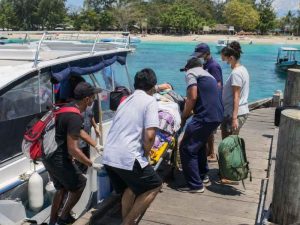
Resources are naturally more limited. Transport takes time. Weather affects boats. If someone needs advanced treatment, they may eventually require transfer to Lombok or Bali.
That’s why having accessible Gili medical service matters so much.
Clinics become the first line of support. They stabilize situations, assess symptoms, and help determine whether a condition is minor or something more serious.
And honestly, there’s psychological relief too.
Just seeing a professional face helps.
Travel anxiety can amplify every symptom. A headache feels catastrophic when you’re far from home. A calm Gili doctor explaining things clearly can instantly reduce panic.
Funny how reassurance alone changes the body.
The Best Time to Seek Help Is Earlier Than You Think
People delay medical visits on vacation because they don’t want to “ruin the trip.”
I get it.
You imagine spending precious holiday hours inside a clinic instead of snorkeling beside turtles.
But waiting too long usually creates bigger interruptions later.
A mild fever becomes severe dehydration. A tiny wound becomes infected. Sunstroke gets worse overnight. Suddenly your relaxing island escape turns miserable.
That’s why many experienced travelers recommend visiting a Gili Air walk in clinic sooner rather than later if symptoms continue for more than a day.
Especially digestive issues.
Tropical heat drains energy incredibly fast. Sometimes you don’t notice until your body suddenly stops cooperating.
And honestly? Recovery feels much easier when treated early.
Communication Is Usually Easier Than Expected
One thing many travelers worry about is language barriers.
Fair concern.
Yet most clinic Gili Air staff who regularly assist tourists speak functional English, sometimes very good English. They’re used to international visitors from Europe, Australia, and other parts of Asia.
Medical communication tends to be straightforward.
Symptoms. Timing. Allergies. Medication history.
Simple things.
Of course, misunderstandings can still happen occasionally. Travel itself is messy. But overall, Gili medical service providers understand the common issues tourists face every day.
You can tell they’ve seen similar situations hundreds of times before.
Sunburned backpackers. Divers with ear pain. Travelers who underestimated spicy sambal.
The usual island stories.
A Gili Doctor Often Understands Traveler Behavior Better Than You Expect
This part is interesting.
Doctors working in tourism-heavy islands develop a very specific type of experience. They understand how travelers behave. Sometimes irrationally.
They know tourists skip hydration. They know people continue diving while sick. They know backpackers ignore symptoms to avoid spending money.
And honestly… they’re usually right.
A good Gili doctor often notices patterns immediately because the same scenarios repeat every week.
There’s comfort in that familiarity.
You’re not the first exhausted traveler stumbling into a clinic after three nights of poor sleep and too much sun exposure. Not even close.
The Island Environment Affects Your Body More Than You Realize
This deserves more attention.
People underestimate tropical environments constantly.
The heat looks beautiful in photos, but physically it can be intense. Humidity changes how your body cools itself. Saltwater exposure affects skin. Sunlight drains energy gradually. Even sleeping patterns shift.
After several days, your immune system can feel slightly off balance.
That’s partly why a Gili Air walk in clinic becomes such an essential part of island infrastructure. Travelers need quick support without complicated hospital systems.
And sometimes the issue is surprisingly minor.
Electrolytes. Rest. Antibiotics. Basic wound cleaning.
Simple interventions can completely change how you feel within hours.
Travel Insurance Suddenly Feels Very Important
Nobody likes discussing insurance while planning beach vacations.
It feels boring.
But when you actually need medical attention, even basic coverage suddenly becomes valuable. Many travelers visiting a Gili Air walk in clinic end up thankful they purchased insurance before the trip.
Medical costs vary depending on treatment, medication, and whether evacuation becomes necessary.
Most minor treatments remain manageable. Still, preparation matters.
A little paperwork before traveling can remove huge stress later.
That’s one of those adult realizations nobody enjoys admitting.

Recovery on Gili Air Feels Strangely Peaceful
Oddly enough, recovering on Gili Air doesn’t feel terrible.
I mean, if you must rest somewhere, there are worse places.
You hear waves outside your room. Fresh fruit is nearby. The island pace encourages slowing down anyway. Even short recovery periods often feel gentler compared to rushing around crowded cities.
One traveler I met joked that his “forced recovery day” became his favorite memory of the trip.
Maybe that sounds dramatic. But I understood what he meant.
Sometimes slowing down reveals parts of travel you normally miss.
Choosing a Reliable Clinic Gili Air Matters
Not every traveler researches medical facilities beforehand, but honestly, it’s smart.
Very smart.
Before symptoms happen, save contact information for a trusted clinic Gili Air option on your phone. Check operating hours. Look at traveler reviews. Understand whether emergency transport is available if needed.
You probably won’t use it.
Hopefully not.
But preparation changes how safe a destination feels psychologically. You relax more when backup support exists.
That peace of mind matters more than people admit.
Final Thoughts on Finding a Gili Air Walk In Clinic
At the end of the day, a Gili Air walk in clinic is one of those things you hope you never need but feel relieved knowing exists. Travel sounds carefree online, yet real trips are messy sometimes. Bodies get tired. Stomachs rebel. Sunburn appears out of nowhere.
And still, Gili Air remains beautiful.
Maybe even more beautiful because practical support exists quietly behind the scenes. Reliable Gili medical service, experienced staff, and a calm Gili doctor can make difficult moments feel manageable again.
That reassurance changes the whole travel experience.
You stop worrying so much.
You breathe easier.
And then, eventually, you go back to watching the ocean like nothing happened at all.