
The first thing people notice about Gili Meno is usually the silence. No traffic noise. No angry horns. Just bicycles rolling slowly past sandy paths and the sound of waves doing their thing somewhere nearby. But honestly, when someone suddenly gets sick on a tiny island, that peaceful feeling can disappear pretty fast. That is probably why Gili Meno family clinic matters more than many travelers expect. You arrive thinking only about beaches and sunsets, then suddenly you realize how comforting it feels to know there is actual medical help close by.
Some travelers never think about healthcare before a holiday. Others do. Parents especially. I once watched a father carrying a sleepy child with a fever near the harbor, looking confused for maybe thirty seconds before someone casually pointed him toward a clinic. Problem solved. More or less.
And somehow, that small moment stayed in my head.
Why Medical Access Changes the Entire Travel Experience
Island trips sound romantic until somebody gets food poisoning.
Or dehydration. Or a scooter scrape. Or a jellyfish sting. Tiny things happen constantly in tropical destinations. Most are not dramatic, thankfully, but they still ruin your day if you cannot find proper help quickly.
That is where Gili Meno family clinic quietly becomes important. Not flashy. Not huge. Just reliable in a way people appreciate once they actually need it.
Interesting thing is, many tourists only search for a clinic Gili Meno after a problem already starts. They type while sweating in a hotel room or sitting outside a café wondering if that stomach pain is “normal.” Usually it is. Sometimes it is not.
The reassuring part is knowing there are medical professionals nearby who understand tourist-related health issues pretty well. Sun exhaustion, diving ear pressure, cuts from coral, stomach infections. They have seen it all before.
Probably many times.
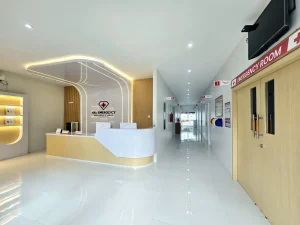
A Different Feeling Compared to Big City Hospitals
Big hospitals can feel cold. Efficient maybe, but cold.
Small island clinics often feel more human. At least that is the impression many visitors talk about afterward. There is less rushing around. More eye contact. More calm voices.
At Gili Meno family clinic, the atmosphere tends to match the island itself. Slower. Simpler. Less intimidating.
And honestly, when you are feeling weak or dizzy in a foreign place, calm energy matters a lot more than people think.
Sometimes travelers panic because they assume island healthcare must automatically be limited or unsafe. That assumption is outdated in many tourist destinations now. Gili medical service providers have adapted because tourism keeps growing every year, and visitors expect dependable care even in smaller locations.
Makes sense, really.
What Travelers Usually Need Help With
Not every medical situation is an emergency. Actually, most are pretty ordinary.
A bad sunburn can become miserable overnight. Dehydration sneaks up quietly after snorkeling for hours under brutal midday heat. Then there are stomach problems. Those are almost a travel tradition at this point.
Gili Meno family clinic often helps travelers dealing with:
- Mild infections
- Fever and flu symptoms
- Diving-related discomfort
- Skin irritation
- Minor injuries
- Food poisoning
- Ear pain after swimming
- Allergic reactions
Simple things, mostly.
Still, simple problems feel much bigger when you are far from home.
And then there is the emotional side. Travelers become anxious fast because they do not know the local system. They worry about communication, treatment quality, transportation. Understandably so.
A good Gili doctor can reduce that panic almost immediately just by explaining things clearly.
Funny how reassurance itself sometimes feels medicinal.
Families Traveling With Kids Notice These Things Faster
Children change how people travel. Completely.
Before becoming parents, many travelers happily ignored practical details. After kids? Different story. Suddenly every parent notices the nearest pharmacy, shaded seating areas, and available medical support.
Gili Meno family clinic becomes part of that invisible safety net families quietly appreciate while on holiday.
Kids get exhausted faster in tropical weather. They touch random things. They forget to drink enough water. They eat unfamiliar snacks and somehow always end up with sticky hands. It happens.
One mother I met near the beach said she specifically chose accommodation closer to medical facilities because she simply wanted peace of mind. Not because she expected disaster. She just preferred not to gamble with convenience.
Honestly, that feels reasonable.
The Human Side of Island Healthcare
This part matters more than equipment lists or technical descriptions.
People remember kindness.
Travelers often talk about whether staff members were patient, whether explanations felt clear, whether someone helped them relax when they were nervous. Those details stay in memory much longer than prescription names.
At Gili Meno family clinic, visitors often mention the comfort of speaking with someone who understands the stress of being sick abroad. That emotional aspect is easy to underestimate until you experience it personally.
Being ill while traveling creates a strange loneliness. Even small illnesses feel heavier.
Then somebody offers help calmly. Suddenly the situation feels manageable again.
Little things matter. A chair. Cold water. A simple “you’ll be okay.”
Human stuff.
The Growing Importance of Reliable Gili Medical Service
Tourism on the islands keeps evolving, and healthcare expectations evolve too.
Years ago, many tourists accepted extremely limited medical access on remote islands. Today people expect more organized support, especially digital nomads, divers, and long-stay travelers. Reliable Gili medical service is now part of what makes destinations feel trustworthy overall.
That shift is interesting because travelers rarely mention healthcare in travel photos or social media captions. Nobody posts glamorous stories about getting treatment for dehydration.
Yet availability still affects decision-making quietly behind the scenes.
People want freedom, yes. Adventure too. But they also want backup plans.
Gili Meno family clinic plays a role in that balance between exploration and security. It allows visitors to relax more deeply because help does not feel impossibly far away.
And relaxation is the whole point of island travel, isn’t it?
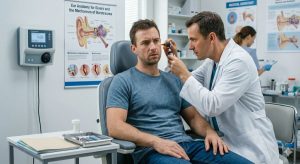
Small Moments That Make a Big Difference
Sometimes healthcare memories are surprisingly ordinary.
A tourist with a twisted ankle. A diver checking ear pressure. Someone needing medicine after a sleepless night with fever. Nothing dramatic. Yet these moments shape how travelers remember a destination.
Gili Meno family clinic becomes part of those stories in quiet ways.
Not the center of the vacation. More like the safety layer underneath it.
I think travelers value that more as they get older, actually. Younger backpackers often feel invincible until the first real travel illness humbles them slightly. After that, practical things suddenly become very attractive.
Water quality. Good sleep. Nearby clinics.
Life comes at you fast.
Why Trust Matters on a Small Island
Trust is everything when you are vulnerable.
A traveler who feels uncertain about local healthcare may delay treatment too long, even for manageable conditions. That hesitation creates bigger problems later. Good communication changes that.
Many visitors searching for a clinic Gili Meno are not necessarily looking for advanced hospital care. Mostly they want clarity, professionalism, and someone who knows what they are doing.
Simple expectations. Important expectations.
Gili Meno family clinic continues to matter because it fills that emotional and practical gap for travelers who suddenly need support far from home.
And maybe that is the real value of places like this. They help people enjoy paradise without constantly worrying about what could go wrong.
Which, honestly, is a pretty meaningful role for a small island clinic to have.
