
The first time I stepped onto Gili Meno, everything felt almost unreal. No traffic noise. No engines screaming down the road. Just salty air, lazy bicycles, and the sound of waves moving like they had nowhere else to be. It honestly felt perfect. But then I overheard someone talking about a scooter accident near the beach path, and suddenly the phrase Gili Meno travel emergency stopped sounding dramatic and started sounding very real.
People come here expecting paradise. And mostly, yes, it is paradise. Still, accidents happen in beautiful places too. Sometimes especially there, because everyone relaxes a little too much.
Why Small Islands Feel Different During Emergencies
There’s something strange about emergencies on tiny islands. In a city, you assume help is close. Hospitals are everywhere. Pharmacies glow all night. On Gili Meno, things move slower. Quieter.
And honestly, that can feel unsettling when something goes wrong.
A simple cut from coral can become infected fast in tropical heat. Dehydration sneaks up on people. Diving accidents happen more often than tourists think. I met a traveler from Germany who ignored a small fever for two days because he thought it was “just sun exhaustion.” It wasn’t.
That’s the thing about a Gili Meno travel emergency. Sometimes it starts small.
Really small.
The Reality of Medical Access on Gili Meno
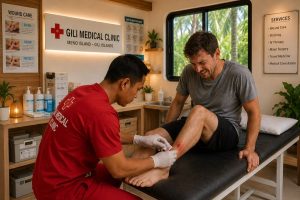
There are local health facilities and a few reliable options for immediate care, including a clinic Gili Meno visitors often mention in travel groups. Most travelers don’t think about medical support until they actually need it. Then suddenly everyone is searching for numbers, transportation, or basic medicine at midnight.
Not fun.
The island does have support systems in place, but resources are naturally more limited compared to Bali or Lombok. Severe injuries may require transfer by boat, especially late at night or during rough weather conditions.
That part catches people off guard.
A Gili Meno travel emergency becomes more stressful when the sea is rough and transportation slows down. You realize very quickly how isolated a small island can feel after dark.
Common Situations Travelers Experience
Coral Cuts and Infections
This is probably one of the most common issues.
People walk barefoot because the beaches look soft and harmless. Then sharp coral slices the skin open. Saltwater burns. Sand gets inside the wound. A day later the area turns red and swollen.
Tropical infections move quickly.
I remember seeing a backpacker limping near the harbor, trying to laugh about it while clearly in pain. He waited too long before cleaning the cut properly. That tiny injury turned into a full Gili Meno travel emergency by the next evening.
Diving Problems
Gili Meno is famous for snorkeling and diving. The water is ridiculously clear. Sea turtles drift around like they own the ocean. It’s hard not to get excited.
But excitement sometimes makes people careless.
Divers occasionally ignore hydration, push beyond their comfort level, or panic underwater. Even experienced travelers can underestimate currents around the island.
This is why knowing nearby Gili emergency service contacts matters more than most people realize.
Especially before getting on a boat.
Heat Exhaustion
The tropical heat here feels different. Sticky. Heavy. Quietly exhausting.
You walk for twenty minutes under direct sun and suddenly your body feels drained in a weird way. Some travelers skip water because they’re busy exploring cafes or beaches. Others drink too much alcohol during the afternoon heat.
Then dizziness starts.
A mild headache can evolve into a Gili Meno travel emergency surprisingly fast, particularly for older travelers or children.
What To Do Immediately If Something Goes Wrong
First, stay calm. Easier said than done, obviously.
Still, panic usually makes everything slower.
Find shade if the issue is heat-related. Clean wounds immediately using bottled water if clean medical supplies are unavailable. Contact local accommodation staff because many hotels already know nearby clinics, transport providers, and emergency contacts.
Interesting thing about island communities: people often help faster than you expect.
One hotel worker once spent nearly an hour helping a tourist arrange transportation after a bicycle crash. No hesitation. No complicated paperwork. Just pure human instinct.
That kind of support matters during a Gili Meno travel emergency.
Nighttime Emergencies Feel More Intense
Somehow, nighttime changes everything on islands.
Roads become darker. Fewer people walk around. Boat transfers may become limited depending on weather conditions. Even small injuries feel bigger at 1 AM when you hear nothing except insects and distant waves.
I think many travelers underestimate this emotional side of emergencies.
A stomach illness during daylight feels manageable. The exact same sickness at midnight on a small island suddenly feels terrifying.
That’s why keeping emergency numbers saved offline is smart. Internet connections can become unstable too, especially during storms.
Some tourists rely entirely on maps apps or social media for information. Bad idea.
A prepared traveler handles a Gili Meno travel emergency much more calmly because they already know where to go and who to contact.
Travel Insurance Suddenly Becomes Important
Nobody enjoys talking about insurance before vacation. It feels boring. Administrative. Easy to ignore.
Until you need evacuation transport.
Boat transfers to Lombok or Bali for serious medical treatment can become expensive very quickly. Some travelers discover too late that their insurance does not cover water activities or diving accidents.
Read the details carefully. Seriously.
One Australian traveler I met admitted he skipped insurance to save money for extra diving sessions. A few days later he injured his shoulder badly while snorkeling. The costs hit hard.
That single accident transformed into a financial Gili Meno travel emergency almost overnight.
Local Medical Support Is Better Than Many Expect
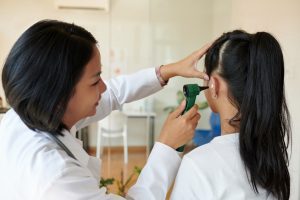
To be fair, the islands are not completely unprepared. There are medical workers, local responders, and access to Gili medical service providers who deal with tourist injuries regularly.
They’ve seen everything.
Sunburns. Jellyfish stings. Bicycle crashes. Food poisoning. Panic attacks. Ear infections after diving.
Tourism changed these islands a lot over the years, and medical response systems improved alongside it. Of course, limitations still exist, but basic support is available faster than many first-time visitors assume.
That said, severe trauma or complicated conditions may still require transfer to larger facilities outside the island.
A Gili Meno travel emergency involving broken bones, serious allergic reactions, or breathing difficulties should never be underestimated.
Smart Habits That Reduce Risk
Honestly, prevention is boring advice. But it works.
Wear sandals near coral areas. Drink more water than you think you need. Avoid reckless cycling after drinking. Use reef-safe sunscreen because painful burns ruin entire trips. Save local emergency contacts before exploring remote beaches.
Tiny habits matter.
Even carrying a basic medical kit helps more than people expect. Bandages, antiseptic cream, electrolytes, pain relief tablets. Small things. Useful things.
And maybe the biggest one: listen to your body.
Travelers often ignore warning signs because they don’t want to “waste vacation time.” But delaying treatment usually makes a Gili Meno travel emergency harder and more expensive later.
Paradise Is Still Paradise
Despite all this, I don’t want the island to sound dangerous. It isn’t.
Gili Meno remains one of the calmest, most beautiful places in Indonesia. The sunsets feel almost unreal sometimes, like somebody edited the sky too heavily. Cats sleep beside beach cafes. Boats drift slowly near the horizon. Life softens here.
That softness is exactly why preparation matters.
Because when travelers understand basic safety, they enjoy the island more deeply and more confidently. They stop worrying. They relax properly.
And honestly, that peace of mind changes the whole experience.
A Gili Meno travel emergency may never happen to you. Hopefully it doesn’t. But knowing what to expect, where to find help, and how to react can turn a stressful moment into something manageable instead of chaotic.
Sometimes the smartest travelers are simply the ones who prepared quietly before anyone else even thought about it.
