
The first time I heard about Gili Islands sea ambulance, I honestly imagined something dramatic. Flashing lights on a speedboat. Waves crashing everywhere. Maybe too many action movies, I guess. But after spending time around the Gilis and talking with travelers, divers, and local staff, I realized the reality is quieter and somehow more important than people think.
Because when you are on a small island surrounded by turquoise water and no large hospital nearby, medical transport suddenly becomes a very real thing.
And fast.
The Gili Islands sea ambulance system exists because emergencies do not wait for calm weather, perfect schedules, or convenient timing. Someone slips while diving. A tourist gets dehydrated after hiking in brutal heat. A scooter accident happens late at night. Things happen. Life is messy like that.
What makes the islands special also makes medical logistics complicated.
That’s where ambulance Gili operations quietly become one of the most essential services in the area.
Why Medical Transport Matters So Much in the Gili Islands
The Gili Islands look peaceful almost all the time. White sand. Horses pulling carts. No loud traffic. You hear waves more than engines.
But isolation has a downside.
There are no massive hospitals directly on the islands. Most serious medical cases need transfer to Lombok or sometimes Bali, depending on the situation. And that means boats. Fast ones.
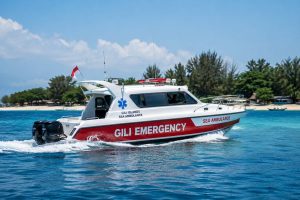
The role of the Gili Islands sea ambulance is basically to bridge that gap between island clinics and advanced hospitals on the mainland. It sounds simple when written like that. In reality, though, timing becomes everything.
A delay of thirty minutes can feel very long in an emergency.
Especially at night.
How the Sea Ambulance System Usually Works
Interesting thing is, many travelers never notice these services unless they suddenly need them. The boats are not tourist attractions. They operate quietly in the background.
A typical process often starts with a call from a Gili medical clinic or hotel staff. Medical personnel assess the patient first. If the condition requires hospital treatment beyond island capability, transport gets arranged immediately.
Sometimes weather changes the entire situation.
Fast boats used for ambulance Gili transfers are designed for urgent travel, but rough seas can still slow movement. Local crews know these waters extremely well, though. That experience matters more than people realize.
Honestly, probably more than expensive equipment sometimes.
The Human Side of Emergency Response
One diver I met in Gili Trawangan told me he experienced severe ear barotrauma after a rushed descent. At first, he ignored it. Thought it would disappear after coffee and rest.
Bad idea.
By midnight, the pain became unbearable. He ended up being transported through the Gili Islands sea ambulance network toward Lombok for specialist treatment.
What stuck with him was not panic. It was calmness.
The staff spoke softly. The boat crew moved quickly but without chaos. Someone kept checking his breathing during the ride. Small details. Yet those details stay in memory.
Maybe because fear makes ordinary kindness feel huge.
What Conditions Usually Require a Sea Ambulance
Not every medical problem needs emergency transfer. Minor cuts, stomach bugs, or mild fevers can usually be treated at a Gili medical clinic without leaving the island.
But there are situations where rapid transport becomes necessary:
Diving Injuries
The Gilis are famous diving destinations. Beautiful reefs everywhere. But decompression sickness and underwater injuries occasionally happen.
This is one of the biggest reasons the Gili Islands sea ambulance system is considered crucial for tourism safety.
Serious Accidents
Bike crashes, falls, or water sports injuries can require hospital imaging or surgery unavailable locally.
And honestly, tourists sometimes underestimate island roads. Sand, fatigue, heat, maybe a little alcohol. Not a great mix.
Cardiac or Respiratory Emergencies
Chest pain. Severe asthma. Difficulty breathing.
Those situations move very quickly from “probably okay” to “not okay at all.”
The Gili emergency service teams usually prioritize these cases immediately.
Night Transfers Feel Different
There is something strange about being on the ocean at night during an emergency.
Quiet but tense.
A friend described seeing only black water and distant island lights during a transfer arranged through the Gili Islands sea ambulance network. The engines sounded louder in darkness somehow.
Maybe fear amplifies sound.
Still, many patients later say the speed of response surprised them. Considering the islands’ geography, the coordination between clinics, boat crews, and mainland hospitals is actually pretty impressive.
Not perfect every single time, obviously. Weather and sea conditions can interfere. But the system exists for a reason.
And people rely on it heavily.
The Role of Gili Medical Clinics
Most travelers first interact with healthcare through a Gili medical clinic rather than directly with emergency transport teams.
These clinics handle assessments, first aid, stabilization, and communication with mainland facilities. Some are small but surprisingly organized.
Doctors and nurses working there deal with a unique mix of cases. Sunburns. Diving injuries. Tropical infections. Motorbike accidents. Dehydration.
Tourism creates a very specific medical environment.
One clinic worker once joked that no two days ever feel remotely similar. Honestly, I believe that.
Tourists Often Forget to Prepare
This part matters more than people think.
People book snorkeling trips, sunset cruises, and beach villas but forget basic medical planning entirely. Then emergencies happen and suddenly nobody knows insurance details or emergency contacts.
Before visiting the Gilis, travelers should ideally:
- Save emergency phone numbers
- Know the nearest Gili medical clinic
- Have travel insurance covering evacuation
- Understand weather can delay transfers
- Carry important medications properly
Simple stuff. Easy to ignore.
Until it matters.
How Weather Changes Everything
The sea can look calm in photos. Reality is more complicated.
During rough weather, even the best Gili Islands sea ambulance operations face challenges. High waves can slow evacuation or make transport physically difficult for patients.
Locals understand this deeply. Visitors sometimes do not.
There’s a certain respect island communities have toward the ocean. Not fear exactly. More like awareness. The sea gives life, tourism, beauty, income. But it also decides schedules sometimes.
And emergency timing.
Why Travelers Feel Safer Knowing It Exists
Most people visiting the islands hope they never need ambulance Gili services. Obviously.
But simply knowing emergency systems exist changes how travelers experience remote destinations psychologically. It creates reassurance in the background.
You dive more confidently. Explore more freely.
Not recklessly. Just comfortably.
The existence of the Gili Islands sea ambulance network supports tourism in ways many businesses probably benefit from indirectly. Hotels, dive schools, restaurants, tour operators — they all rely on visitors feeling safe enough to come.
Safety infrastructure rarely gets glamorous attention, though.
People notice sunsets more.
The Coordination Behind the Scenes
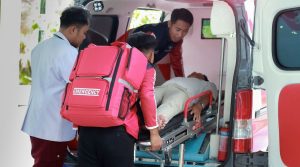
What fascinates me most is the coordination involved. A serious emergency might involve:
- Hotel staff
- Local drivers
- Gili emergency service personnel
- Boat operators
- Nurses or doctors
- Mainland hospitals
- Family communication
- Insurance providers
All happening quickly.
And often in multiple languages.
That’s not easy on small islands where resources are naturally limited.
Yet somehow the Gili Islands sea ambulance system continues adapting because tourism itself keeps evolving. Visitor numbers rise. Diving activity grows. Expectations increase too.
Healthcare systems have to grow alongside tourism or problems eventually appear.
Island Life Has a Different Rhythm
Maybe this is the strange contradiction of the Gilis.
Everything feels slow until suddenly it isn’t.
You spend days watching bicycles pass sandy roads, hearing reggae music drift from beach cafés, eating grilled seafood under soft lights. Time stretches lazily.
Then an emergency cuts through that calm.
And suddenly the speed of the Gili emergency service becomes incredibly important.
That contrast stays with people.
More Than Just a Boat Service
At the end of the day, the Gili Islands sea ambulance system is not simply about transportation. It represents connection. Islands and hospitals are connected through fast response systems. Travelers find greater safety and comfort during their journeys. In moments of panic, reassurance becomes the most important thing.
Maybe most tourists will never see these boats working.
Honestly, that’s probably a good thing.
But their presence matters anyway.
Especially in destinations where paradise and unpredictability live side by side, separated only by waves and distance.
And somewhere out there, usually quietly, ambulance Gili crews continue preparing for emergencies most visitors never even think about while watching the sunset over the islands.
