
I’ll be honest with you. The first time I heard someone ask about Gili Meno ambulance response time, I paused. Not because it’s a strange question—but because it’s one of those things people quietly worry about, especially when traveling somewhere as remote and peaceful as Gili Meno.
You’re there for turquoise water, slow mornings, maybe barefoot walks at sunset. Not emergencies. But life doesn’t always follow the plan, right?
And that’s where Gili Meno ambulance response time suddenly becomes… important.
Life Moves Slower Here — Including Emergency Response
Gili Meno isn’t built for speed.
No engines roaring, no traffic lights, no rush hour. Just sandy paths, bicycles, and the occasional horse cart passing by. It’s beautiful. Almost dreamlike.
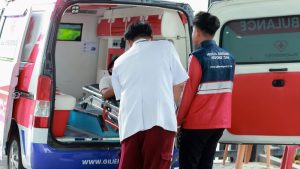
But that also means ambulance Gili Meno services operate very differently from what you might expect in a city.
There’s no dramatic siren cutting through traffic. No high-speed chase to the nearest hospital.
Instead, things unfold in a quieter, more grounded way.
Sometimes that feels reassuring. Other times… not so much.
How the System Actually Works
Let’s not overcomplicate it.
There is a Gili emergency service system. It’s just smaller, more localized, and—well—less predictable. The island has basic medical support, including a Gili medical clinic that handles everyday issues.
Cuts. Fever. Dehydration. Sunburn that got out of hand.
Pretty common stuff, honestly.
But when something serious happens, the situation shifts. Fast.
The clinic becomes the first checkpoint. After that, many patients need to be transported off the island—usually to Lombok.
And this is where Gili Meno ambulance response time starts to stretch.
Not Just an Ambulance Problem
Here’s the thing most people don’t realize.
It’s not only about how fast help arrives. It’s about everything that comes after.
Transport availability. Boat schedules. Weather conditions. Coordination between teams.
All of that plays a role.
So when someone mentions Gili Meno ambulance response time, they’re really talking about a chain reaction of events.
What Affects Gili Meno Ambulance Response Time?
It’s a mix of factors. Some obvious, some… surprisingly subtle.
Island Layout and Terrain
The roads aren’t really roads.
They’re sandy, uneven paths winding through trees and small accommodations. Ambulance Gili Meno teams often use modified carts or small vehicles that can handle these conditions.
Sometimes even stretchers.
It works—but it’s not fast in the traditional sense.
Limited Medical Staff
Gili emergency service teams are dedicated, but they’re not large. There aren’t multiple units waiting around for calls.
During quieter seasons, response can feel fairly quick.
But when the island gets busy? Everything slows down a bit.
That includes Gili Meno ambulance response time.
Weather — The Silent Factor
No one thinks about weather until it becomes a problem.
Rough waves can delay boat transfers. Strong winds can make evacuation risky. In some cases, moving a patient off the island has to wait.
And waiting… is the hardest part.
Communication Delays
This one feels small, but it matters.
If someone doesn’t know who to call, or hesitates, or relies on patchy signal—minutes can slip away. Gili emergency service teams can only respond once they’re contacted.
It sounds obvious. But in stressful moments, even simple steps feel complicated.
So… How Fast Is It, Really?
Let’s talk numbers, roughly.
Gili Meno ambulance response time can range between 10 to 25 minutes for initial assistance, depending on location and conditions. Sometimes quicker. Occasionally slower.
It’s not exact.
And yeah, that uncertainty can feel uncomfortable.
But it’s not neglect. It’s just the reality of a small island system doing its best.
A Moment That Sticks With Me
I once heard a story—maybe you’ve seen something similar.
A traveler fainted near the beach. Midday heat, not enough water. Within minutes, people nearby stepped in. Someone brought water. Another person found shade. A staff member from a nearby Gili medical clinic arrived shortly after.
It wasn’t dramatic.
No sirens. No chaos.
Just people helping, instinctively.
The Gili emergency service showed up soon after, but what stood out was how the response started before any official system kicked in.
That’s kind of how Gili Meno works.
Comparing with Nearby Islands
If you’ve been to Gili Trawangan, you might notice the difference.
It’s more developed. More clinics. More staff. Slightly faster coordination.
So yes, Gili Meno ambulance response time can be a bit longer in comparison.
But that’s also why people choose Gili Meno in the first place—it’s quieter, less crowded, more intimate.
There’s always a trade-off.
What You Can Do (Without Overthinking It)
You don’t need to be paranoid. Just prepared.
Keep Yourself Hydrated
It sounds almost too simple.
But dehydration is one of the most common reasons people visit a Gili medical clinic. The sun hits differently here. Stronger than you expect.
Drink water. Then drink more.
Save Emergency Contacts Early
Before you settle into vacation mode, take a minute to ask your hotel about Gili emergency service numbers.
It takes 30 seconds.
But in a stressful moment, that preparation matters.
Insurance Is a Smart Move
Medical evacuation from the island isn’t cheap. Boats, coordination, hospital care—it adds up quickly.
Having insurance removes a lot of pressure.
And honestly, it just lets you relax more.
Stay Aware (But Not Anxious)
Watch your step on uneven paths. Respect the ocean currents. Take breaks from the sun.
Small awareness goes a long way.

When Time Feels… Different
There’s something strange about waiting during an emergency.
Five minutes stretches.
Ten minutes feels endless.
So when discussing Gili Meno ambulance response time, it’s not just about the clock—it’s about perception. Emotion. That feeling of wanting help now.
And on a quiet island, everything feels amplified.
Is It Improving?
Slowly, yes.
There have been efforts to improve coordination between clinics, upgrade equipment, and strengthen the Gili emergency service network. It’s not a massive overhaul, but it’s progress.
And progress matters.
Especially as more travelers discover the island.
The Honest Trade-Off
Gili Meno gives you something rare—silence, simplicity, space to breathe.
But in return, you accept certain limitations.
Healthcare access is one of them.
So understanding Gili Meno ambulance response time isn’t about fear. It’s about awareness. Knowing what to expect, without letting it overshadow your trip.
Because the truth is, most visits go perfectly fine.
No emergencies. No problems.
Just sunsets and salt air.
Final Thoughts on Gili Meno Ambulance Response Time
Gili Meno ambulance response time isn’t perfect. It’s not instant. But it reflects the island itself—calm, a bit unpredictable, and deeply human.
And maybe that’s the key takeaway.
You’re not stepping into a high-speed system. You’re stepping into a place where people rely on each other, where help comes with effort, and where preparation makes a real difference.
So come, enjoy it. Just be a little mindful along the way.
It makes all the difference.
