
I didn’t expect to think about emergencies while standing on a beach like this. Warm sand, slow waves, someone laughing in the distance. But then someone mentioned the Gili Air boat ambulance, and suddenly the island felt… different. Not less beautiful, just more real. Because behind all that calm, there’s a system quietly waiting for the worst moments.
And honestly, that matters more than people realize.
Life on Gili Air Isn’t Always As Simple As It Looks
Gili Air has this rhythm. Slow, almost lazy. No cars, no engines roaring past you. Just bicycles, maybe a horse cart, and the occasional breeze that smells like salt and sunscreen.
But here’s the thing—when something goes wrong, that peaceful setup becomes a challenge.
There’s no big hospital sitting around the corner. The Gili Air clinic center handles most basic situations, small injuries, mild illnesses, things like that. But serious cases? Different story.
They need to leave the island.
And the only way out is by sea.
That’s exactly where the Gili Air boat ambulance comes in, quietly doing its job without much attention.
When Emergencies Actually Happen
It’s easy to assume emergencies are rare here. And maybe they are, compared to big cities.
But they still happen.
Someone falls off a bike. A diver surfaces too fast. Food allergies, dehydration, heart issues… life doesn’t pause just because you’re on vacation.
And when it happens, things move quickly.
You contact Gili emergency service. There’s no long delay, no confusion. People already know what to do. The patient is usually brought to Gili Air clinic center first, where initial treatment begins.
Then decisions are made. Fast.
If the case is serious, the Gili Air boat ambulance gets prepared.
No drama. Just action.
The Boat Itself (It’s Not Fancy, But It Works)
If you’re imagining something high-tech and futuristic… it’s not quite that.
The Gili Air boat ambulance is practical. Built for speed and function, not luxury. There’s enough space for a patient, medical staff, and essential equipment—oxygen, basic monitoring tools, things that actually matter in transit.
And that’s enough.
Because the goal isn’t to treat everything on the boat. It’s to get the patient somewhere better, as quickly as possible.
Still, I can’t help but think… being on a boat, in the dark, waves moving beneath you, while dealing with a medical emergency—that takes a certain kind of focus.
Maybe even courage.

Coordination That Feels Surprisingly Natural
One thing that stands out is how everything connects, even without big systems or complicated infrastructure.
It’s almost… intuitive.
Gili Air clinic center acts as the first checkpoint. Gili emergency service handles communication and logistics. Then Gili medical service steps in to stabilize and prepare the patient for transfer.
It’s like watching people who’ve done this many times before.
No wasted movement.
No confusion.
Just a flow.
And somehow, that makes you trust it more.
Night Transfers Hit Different
Daytime is one thing.
Night is something else entirely.
The sea looks darker, heavier. Sounds change. Even the air feels different. And yet, emergencies don’t wait for daylight.
The Gili Air boat ambulance still operates at night, which honestly feels like one of the most intense parts of the whole system.
Navigation becomes harder. Visibility drops. Every decision matters more.
And still—they go.
There’s something about that quiet determination that sticks with you.
A Small Story I Can’t Forget
I heard this from someone staying near the harbor. Not a dramatic storyteller, just casually mentioning it over coffee.
A tourist had a bad reaction—something they ate, maybe peanuts. Breathing got difficult. Panic spread quickly.
Within minutes, help arrived.
They were taken to Gili Air clinic center, stabilized, then transferred using the Gili Air boat ambulance. The sea wasn’t exactly calm that night either.
But they made the trip.
And the person recovered.
It wasn’t a headline story. No viral moment. Just… something that happened.
But those are the stories that matter, right?
Not Perfect, But It Doesn’t Need To Be
Let’s be honest, the system isn’t flawless.
Weather can slow things down. Equipment is limited. Space is tight. There are moments where conditions just aren’t ideal.
But here’s the interesting part—it still works.
Maybe not perfectly. But effectively.
And sometimes, that’s enough.
The Gili Air boat ambulance isn’t trying to compete with city hospitals. It’s solving a very specific problem: distance.
And it does that well.
Why Travelers Should Care (Even If They Don’t Want To)
Most people don’t think about emergency services when planning a trip.
They think about beaches, food, sunsets. Fair enough.
But knowing there’s a system like the Gili Air boat ambulance changes something in the background. You feel it, even if you don’t actively think about it.
A kind of quiet reassurance.
If something goes wrong, there’s a plan.
You contact Gili emergency service. You go to Gili Air clinic center. And if needed, Gili medical service coordinates the transfer.
Simple steps.
Clear direction.
That matters more than people expect.
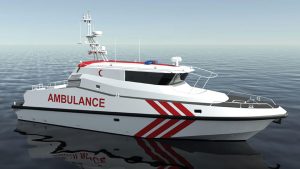
More Than Just a Boat Crossing Water
It’s easy to reduce it to just transport.
A boat moving from one island to another.
But it’s more than that.
The Gili Air boat ambulance connects two realities—the calm, isolated island life and the fast-paced, resource-rich medical facilities elsewhere.
It bridges that gap.
Literally and figuratively.
And maybe that’s why it feels important in a way that’s hard to explain.
The Human Element Behind Everything
At the center of all this are people.
Not machines. Not systems.
People.
Local staff, medical workers, boat operators—everyone plays a role. And there’s something about the way they work together that feels… personal.
Like they care.
Not in a dramatic, over-the-top way. Just steady, reliable effort.
And honestly, that’s more comforting than anything else.
Final Thoughts on Gili Air Boat Ambulance
So yeah, the Gili Air boat ambulance isn’t something you’ll see on postcards.
It’s not part of the “perfect island” image.
But it should be.
Because it represents something real. Something necessary.
It’s there when things go wrong. It moves when time matters. It connects a small island to the help it can’t provide on its own.
And once you know it exists, you don’t forget it.
You just quietly hope you’ll never need it.
