
You probably won’t search for a Gili Islands clinic while booking your boat ticket. You’ll look at photos. Compare snorkeling spots. Maybe check café reviews. That’s normal.
I did the same.
The idea of needing a Gili Islands clinic feels… distant. Almost pessimistic. After all, you’re heading to white sand, warm water, slow sunsets. Not a medical appointment.
And yet, after spending time on the islands—and speaking with other travelers—I realized something simple: knowing how a Gili Islands clinic works doesn’t ruin the mood. It protects it.
Let’s talk about that honestly, without drama.
The Islands Feel Small When You Need Help
The Gili Islands sit just off the coast of Lombok, with Bali within boat distance. On paper, that sounds convenient. In reality, once you’re on a car-free island with sandy paths and bicycles, distance feels different.
It’s charming—until you twist your ankle.
There are no large hospitals here. That’s why a Gili Islands clinic plays a central role in everyday health concerns. It becomes the first stop for assessment, treatment, and, if necessary, coordination to mainland facilities.
And this isn’t rare. Minor incidents happen more often than you’d expect. A misstep on uneven coral. Food that doesn’t sit well. Too much sun. Too little water.
Island life is gentle. The climate is not.

Most People Visit for Very Ordinary Reasons
Forget extreme emergencies for a moment.
The typical visit to a Gili Islands clinic involves something small that could become inconvenient if ignored. Coral cuts are common. They look harmless at first—just a scratch—but saltwater and humidity complicate healing.
A Gili medical clinic will clean the wound properly, sometimes more thoroughly than you would on your own. There’s a slight sting. A brief tightening of your jaw. Then relief.
Dehydration is another frequent issue. The tropical sun doesn’t always feel aggressive, but it’s persistent. Hours pass. You swim, walk, cycle. Later, you notice a headache or dizziness. A short IV session at a Gili Islands clinic can restore your energy surprisingly fast.
It’s not dramatic. It’s practical.
Traveler’s stomach problems also appear regularly. Changes in diet, different bacteria, iced drinks. A Gili doctor can evaluate whether it’s mild or requires medication. That clarity matters when you’re unsure whether to rest or worry.
The Role of a Gili Doctor in Tourist Settings
There’s something reassuring about meeting a Gili doctor who understands international travelers. Communication is usually straightforward. Explanations are clear. Medical terminology is translated into everyday language.
But what stands out isn’t just language—it’s familiarity with traveler psychology.
Many visitors hesitate to seek care because they don’t want to “lose a day.” A good Gili doctor recognizes that mindset. They’ll assess honestly: Is it safe to continue diving? Should you rest? Is this minor or potentially escalating?
I once saw a diver debating whether to skip a scheduled trip because of ear discomfort. The doctor explained pressure dynamics calmly, advised a short pause, and outlined warning signs. No pressure. No exaggeration.
That balance builds trust.
And trust reduces anxiety.
Not Every Clinic Feels Identical
If you walk around the larger islands like Gili Trawangan or Gili Air, you’ll notice more than one Gili Islands clinic option. They vary in atmosphere.
Some feel very clinical—white walls, bright lighting, efficient movement. Others feel quieter, almost like a small neighborhood practice. The differences aren’t necessarily about quality; they’re about style and scale.
When evaluating a Gili medical service provider, observe simple details:
-
Clean treatment areas
-
Properly stored equipment
-
Clear cost explanations
-
Responsive staff
These small signals matter more than glossy signage.
A reliable Gili medical clinic doesn’t oversell. It explains. It listens. It answers questions without impatience.
Sometimes the calm tone of the staff tells you more than the equipment does.
What Happens If It’s Serious?
This is where expectations need adjustment.
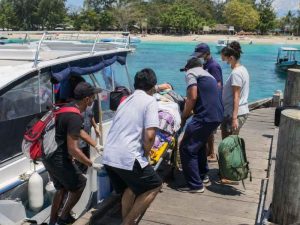
For complex emergencies, transfer to Lombok or Bali may be necessary. A Gili Islands clinic can stabilize patients and arrange evacuation, but advanced hospital facilities are off-island.
Weather and boat availability influence timing. That’s simply part of island geography.
However, established Gili medical service teams are familiar with these logistics. They know who to call. They understand the referral pathways. That familiarity reduces confusion during stressful moments.
Preparation helps here. Save the contact number of the nearest Gili Islands clinic in your phone. Keep your insurance information accessible. These small actions shorten response time if something unexpected occurs.
You’ll probably never need them.
But if you do, you’ll appreciate the foresight.
Insurance and Payment Realities
This isn’t the most exciting part of travel planning, but it matters.
Many Gili medical clinic facilities request upfront payment from international patients. You then claim reimbursement from your insurance provider. Documentation is usually provided clearly, but having digital copies of your passport and policy details speeds things up.
I’ve seen travelers search through inboxes for policy numbers while feeling unwell. It adds unnecessary stress.
Preparation reduces friction. And reduced stress supports recovery. Even a Gili doctor will tell you that anxiety can amplify physical discomfort.
It’s a small habit with a noticeable impact.

When Should You Visit a Gili Islands Clinic?
Sometimes the decision is obvious. Severe pain. Significant injury. Persistent vomiting. High fever.
Other times, it’s less clear.
If pain increases instead of improving, that’s a signal. If a wound becomes red, swollen, or warm, don’t ignore it. If dizziness continues beyond simple fatigue, get assessed.
And here’s something worth repeating from another angle: early visits often mean shorter recovery times.
Waiting rarely makes infections smaller. Ignoring dehydration rarely restores fluids. Seeking advice from a Gili Islands clinic early can prevent your beach holiday from turning into extended bed rest.
There’s no prize for enduring discomfort silently.
The Psychological Benefit Nobody Mentions
Travel blogs focus on beaches and sunsets. Understandably.
But beneath that aesthetic layer is infrastructure. Quiet systems that make extended stays possible. A functioning Gili Islands clinic is part of that invisible support structure.
Knowing it exists changes how you move through the island. You explore reef edges with more awareness but less fear. You try new food without constant hesitation. You rent a bicycle without overthinking every turn.
Security creates freedom.
That might sound subtle, but it’s real.
Before your trip, take ten minutes to locate the nearest Gili Islands clinic to your accommodation. Walk past it on your first day. Notice the entrance. The operating hours. The atmosphere.
Then let it fade into the background of your mind.
You came for turquoise water and slow evenings. And you should enjoy them fully. But behind that enjoyment, let there be quiet preparation.
A reliable Gili Islands clinic isn’t about expecting something to go wrong. It’s about ensuring that if something small does happen, it stays small.
And that, in the end, is what smart travel looks like—balanced, aware, and still beautifully relaxed.