
The first time you really notice the ocean around the Gilis, it’s usually calm. Glassy. Almost too friendly. And that’s exactly why Gili Islands marine rescue matters more than most people realize. Trouble here doesn’t always arrive with drama. Sometimes it drifts in quietly, like a change in current you didn’t feel soon enough.
I’ve watched boats idle in turquoise water, engines ticking softly, while someone on board tried to decide whether a situation was “serious enough” to call for help. That hesitation is where stories begin. And where rescues often do too.
Why the Gili Islands Are Different at Sea
No cars. No big ports. Limited infrastructure. The Gili Islands operate on a rhythm that feels simple, but the ocean surrounding them is anything but. Strong tidal shifts between Lombok and Bali can pull swimmers off course in minutes. Weather changes don’t announce themselves politely.
This is where Gili Islands marine rescue becomes less of a service and more of a necessity baked into daily life.
Divers, snorkelers, fishermen, fast boats, slow boats—all sharing the same water. Add reef edges that drop suddenly and currents that wrap around the islands like invisible rivers. Beautiful, yes. Predictable? Not really.
And yet people come assuming safety is automatic. It isn’t. It’s maintained.
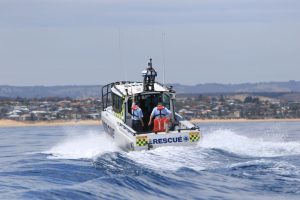
The Human Side of Marine Rescue
What often surprises visitors is that rescue teams here aren’t distant authorities. They’re neighbors. Instructors you met yesterday. Boat captains who know your hotel manager by name.
A call comes in. Someone didn’t surface on time. A propeller malfunction. A diver drifting beyond the reef line. Gili Islands marine rescue activates fast, but not loudly. There’s no cinematic chaos. Just movement. Purpose.
I once spoke to a rescuer who described it simply: “You don’t think big. You think next step.” That mindset saves lives.
Pause. Listen. Move.
When Emergencies Don’t Look Like Emergencies
Not all emergencies scream for attention. Decompression sickness can begin as fatigue. Dehydration looks like sunburn and stubbornness. Panic underwater can feel, at first, like embarrassment.
This is why coordination with Gili emergency networks matters. Marine response teams don’t work alone. They loop in Gili emergency service dispatchers, dive professionals, and—when needed—Gili medical service providers on the islands and mainland.
Sometimes the rescue is just a boat ride back to shore. Sometimes it’s oxygen, sometimes it’s the decision to evacuate before symptoms escalate.
The ocean rewards early decisions. It punishes delayed ones.
Behind the Scenes: How Marine Rescue Actually Works
There’s a misconception that Gili Islands marine rescue is a single unit with a shiny logo. It’s not. It’s a web. A living system.
Private boats volunteer. Dive centers maintain standby equipment. Locals share radio channels. Information travels faster than any speedboat.
You might see the same idea twice here, from different angles, because that’s how it functions in reality. Redundancy isn’t inefficiency. It’s survival.
And yes, sometimes it’s messy. Overlapping roles. Quick debates. Tiny moments of doubt. Then action.
Training for the Unpredictable
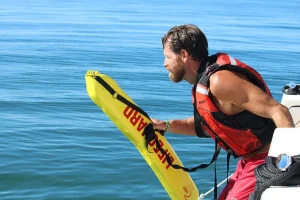
Marine rescue training in the Gilis doesn’t assume perfect conditions. It assumes failure. Engines stall. Visibility drops. People panic.
Rescuers train to read water the way others read maps. Surface patterns. Wind shifts. The feel of the boat when something isn’t right.
Gili Islands marine rescue depends heavily on local knowledge passed down informally. That shallow patch near Gili Air? Dangerous at low tide. That channel near Gili Trawangan? Faster than it looks.
You can’t Google that fast enough.
Tourism, Responsibility, and Shared Risk
Tourism fuels the islands. It also multiplies risk. Every new visitor brings curiosity—and sometimes overconfidence.
This is where Gili Islands marine rescue quietly balances hospitality with hard boundaries. They’ll help you, absolutely. But they also advocate for prevention. Briefings. Warnings. Sometimes uncomfortable honesty.
I’ve heard it said, gently but firmly: “The ocean doesn’t care how good your holiday is going.”
That sentence sticks.
Small Incidents, Big Consequences
A mask lost in current. A boat anchor snagged on coral. A diver separated from their group for thirty seconds too long.
These are the moments that activate Gili Islands marine rescue, even if no one posts about them later. Success often looks like nothing happened.
Which is the point.
And yes, the same lesson appears again: speed matters, but clarity matters more. Rushing blindly helps no one.

Coordination with Medical Response
Once someone is back on land, the story doesn’t end. Gili medical service teams step in, assessing whether treatment can happen locally or requires transfer to Lombok or Bali.
Marine rescue crews stay involved. They don’t just hand off and disappear. Information flows both ways. What happened at sea informs what happens next.
This continuity is one of the least visible strengths of Gili Islands marine rescue. It’s not dramatic. It’s effective.
What Visitors Rarely See
You don’t see the late-night equipment checks. The radio tests during storms. The quiet frustration when weather grounds boats but not emergencies.
You also don’t see how often rescues don’t happen because someone spoke up early. A diver admitting discomfort. A captain calling it off. A guide changing plans.
Prevention doesn’t make headlines. But it defines Gili Islands marine rescue as much as any successful save.
Why This System Endures
It endures because it’s human. Not optimized to perfection. Not sterile. It adapts.
Ideas repeat because they need to. Communication loops because silence kills. Experience outweighs theory more often than anyone likes to admit.
And when the call comes—and it always does eventually—Gili Islands marine rescue responds with what it has: boats, skills, judgment, and a deep respect for water that gives and takes without apology.
A Quiet Promise to the Sea
Stand on the beach at dusk. Boats rocking gently. The smell of salt and fuel. Somewhere out there, someone is watching conditions, even if nothing seems wrong.
That’s the promise. Not that nothing bad will happen—but that if it does, someone will move toward it.
Gili Islands marine rescue exists in that space between calm and chaos. And if you’re ever grateful you never needed it, that means it worked.
