
You never really think about medical emergencies when arriving on a tropical island. The sea is calm, bicycles pass slowly on sandy paths, and the air smells a little like salt mixed with grilled seafood from beach cafés. Then suddenly, something happens. A scooter accident. Someone faints after diving. A bad allergic reaction. And in that moment, people start searching for one thing: Gili Air how to get ambulance.
Honestly, it feels different on a small island like this. There are no big highways. No noisy city hospitals nearby. Everything moves slower, until an emergency happens and suddenly every second feels loud. Knowing Gili Air how to get ambulance before you actually need it can save a lot of panic later. Maybe even save a life.
And yes, ambulance Gili Air services do exist. But the process is slightly unique compared to mainland Indonesia. That surprises many travelers.
Understanding Medical Emergencies on Gili Air
Gili Air is beautiful. Quiet. Relaxed. But it is still a small island with limited infrastructure. There are clinics, local health workers, and Gili medical service providers, yet serious emergencies often require transport to Lombok or Bali.
That’s the important part people forget.
When searching for Gili Air how to get ambulance, you are not only asking about a vehicle. Sometimes the emergency response involves boats, medical coordination, and communication between island clinics and hospitals on the mainland.
It sounds complicated. Sometimes it is.
Especially at night.
A lot of tourists assume an ambulance will appear quickly like in large cities. But ambulance Gili Air operations depend on weather, sea conditions, available staff, and transportation access across sandy island roads.
Still, locals are surprisingly resourceful. They move fast when it matters.
Who to Contact First During a Gili Medical Emergency
The first thing to remember during a Gili medical emergency is simple: stay calm enough to communicate clearly.
Easier said than done, obviously.
If someone is unconscious, bleeding heavily, struggling to breathe, or showing signs of serious trauma, contact a local clinic immediately. Many accommodations on Gili Air already have emergency numbers saved because incidents happen more often than tourists realize.
Interesting thing is, hotel staff usually know exactly who to call. Sometimes faster than Google.
When people search Gili Air how to get ambulance, they often imagine calling one central emergency number. In reality, most cases begin through local clinics or Gili medical service providers coordinating transport.
The response can include:
- Island medical staff arriving first
- Small transport carts adapted for emergencies
- Boat evacuation if mainland treatment is needed
- Ambulance transfer waiting in Lombok harbor
Kind of a chain reaction.
And honestly, locals have gotten pretty efficient at it over the years.
Local Clinics Can Coordinate Ambulance Gili Air Services
Several clinics on Gili Air cooperate with medical evacuation teams. If the injury is serious, staff may arrange ambulance Gili Air transfers combined with fast boats toward Lombok.
This matters because larger hospitals are not on the island itself.
Some travelers panic after hearing this, but usually the system works better than expected. Especially during daytime. The challenge mostly appears during storms or late-night emergencies when boats become limited.
I once heard about a diver who experienced decompression sickness after surfacing too quickly near the Gilis. Within maybe thirty minutes, clinic staff had coordinated transport, contacted mainland doctors, and arranged evacuation. Messy situation, but people moved quickly.
That story stuck with me.

What Happens After Calling for Help
So let’s say you already figured out Gili Air how to get ambulance and made the call. What next?
Usually, medical workers first assess whether the patient can be treated locally or requires evacuation. Minor dehydration, cuts, mild fever, those can often be handled directly on the island.
But severe injuries? Different story.
A Gili medical emergency involving heart issues, major fractures, stroke symptoms, or severe infections may require immediate transfer to Lombok.
Sometimes the transportation itself becomes part of the challenge.
Because roads on Gili Air are narrow and sandy, traditional ambulances cannot operate exactly like city vehicles. Emergency transport may involve modified carts or small vehicles bringing patients toward the harbor area.
Then boats take over.
That image feels strange at first. An ambulance journey partly across the sea. Yet on these islands, it’s normal.
Why Travel Insurance Matters More Than People Think
Maybe this sounds dramatic, but travel insurance becomes very important here.
Really important.
One of the biggest problems during a Gili medical emergency is not medical care itself. It’s evacuation costs. Boat transfers, mainland ambulances, emergency treatment, and hospitalization can become expensive surprisingly fast.
Especially for international tourists.
When researching Gili Air how to get ambulance, many people focus only on phone numbers. Financial preparation matters too. Some clinics may ask about insurance details during serious evacuations because coordination with hospitals often depends on payment guarantees.
Not fun to think about while on vacation, I know.
But practical.
And honestly, a little preparation creates peace of mind. You sleep differently knowing you have backup if something unexpected happens.
Common Situations That Require Ambulance Assistance
Not every injury needs emergency evacuation, obviously. But some situations on Gili Air appear again and again.
Scooter falls are common. Even though there are no cars, bicycle and electric scooter accidents still happen, especially after rain when paths get slippery.
Then there are diving incidents.
A lot of tourists underestimate currents or dehydration under the tropical sun. Add alcohol at beach bars later in the evening and… well, sometimes bad combinations happen.
People usually search Gili Air how to get ambulance after:
- Diving complications
- Severe food poisoning
- Heat exhaustion
- Head injuries
- Allergic reactions
- Broken bones
- Panic attacks mistaken for heart problems
Interesting enough, dehydration causes more emergencies than many people expect.
The heat sneaks up slowly.
Nighttime Emergencies Feel Different on the Island
This part matters.
At night, Gili Air becomes quieter. Very quiet sometimes. You hear waves more than people. So during a medical emergency, everything feels strangely amplified.
Finding immediate transportation can become harder after midnight. Some clinics operate limited hours, although emergency contacts still exist. That’s why knowing Gili Air how to get ambulance beforehand helps enormously instead of searching under stress at 2 AM.
Honestly, this is one of those things travelers ignore until they suddenly need it.
Human nature maybe.
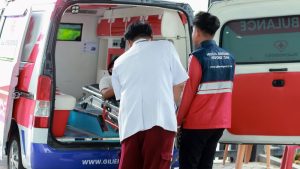
Tips to Prepare Before an Emergency Happens
Preparation on islands is boring until it becomes lifesaving.
Simple things help:
- Save local clinic numbers immediately after arrival
- Ask your hotel about ambulance Gili Air contacts
- Keep insurance information accessible
- Know your nearest harbor route
- Carry basic medication for minor problems
- Stay hydrated constantly
Tiny habits. Big difference.
And maybe tell travel companions about allergies or medical conditions too. Sounds obvious, but people forget.
One traveler I met carried no emergency contacts at all. Phone locked. No insurance details. During a heat-related collapse, staff spent extra time identifying him before arranging treatment. Small delays matter during a Gili medical emergency.
Can Tourists Trust Gili Medical Service Providers?
Generally, yes.
Gili medical service teams are accustomed to helping international travelers from many countries. English communication is usually manageable, especially in clinics frequently handling tourists.
Are facilities equal to Singapore or Australia? No, of course not.
But local responders are experienced with island emergencies. They understand evacuation logistics, marine conditions, and tourist-related accidents very well.
And honestly, many visitors are surprised by how supportive locals become during emergencies. People step in quickly. Hotel staff help. Boat operators cooperate. Strangers even assist carrying equipment sometimes.
There’s something human about island communities during difficult moments.
Messy. Imperfect. But caring.
Final Thoughts on Gili Air How to Get Ambulance
At the end of the day, nobody visits paradise expecting medical problems. Yet emergencies happen anywhere, even beside turquoise water and palm trees. Understanding Gili Air how to get ambulance before you actually need it removes a huge layer of stress during critical moments.
The process may involve clinics, harbor transfers, boats, and mainland hospitals. Slightly chaotic sometimes. But ambulance Gili Air systems and Gili medical service providers have helped countless travelers through difficult situations.
And maybe that’s the strange comfort here.
Even on a small island that feels far from everything, help still exists. You just need to know how to reach it when a real Gili medical emergency suddenly interrupts an otherwise perfect day.
