
The first time I heard about Gili T emergency transport, it wasn’t from a brochure or a travel guide. It was from someone at a beach bar, half serious, half laughing, saying, “You never think about it… until you really have to.” And that line just stayed in my head longer than expected.
Because yeah, Gili Trawangan feels like a dream at first.
Soft sand. No cars. Just bikes, waves, and music drifting at night.
But then a small thought creeps in—what if something goes wrong here?
Why Emergency Transport Feels Different on Gili T
It’s not like cities. Not even close.
There are no wide asphalt roads. No traffic lights. No loud sirens cutting through congestion. Everything moves slower. Even time feels stretched out a little.
And that’s exactly why Gili T emergency transport works in its own unique way.
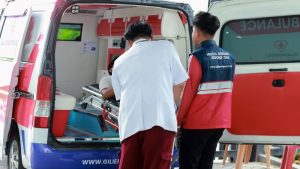
Instead of typical ambulances, you’ll find smaller adapted vehicles—sometimes electric carts, sometimes improvised units that can handle sandy paths. The idea isn’t speed in the traditional sense, but access.
Because here, reaching someone can be the real challenge.
The Reality Behind Ambulance Gili Trawangan
So, how does an ambulance Gili Trawangan actually operate?
Well… it depends.
Sometimes it’s quick and smooth. Other times, it’s a bit messy. Not chaotic, just… human. You might see responders navigating through narrow paths, asking people to move aside, occasionally slowing down because of bicycles or curious tourists.
No dramatic sirens echoing.
Just urgency, in a quieter form.
And honestly, that quiet urgency feels different. More grounded.
Gili T emergency transport relies heavily on coordination rather than speed alone. The responders know the island like the back of their hand, which makes a huge difference.
Where Patients Are Taken First
Most situations don’t immediately involve evacuation.
Instead, patients are brought to a Gili medical clinic nearby. These clinics are surprisingly capable. They handle common travel-related issues—dehydration, minor injuries, infections, even some diving-related concerns.
You walk in expecting something basic.
But it’s usually more than that.
There’s also Gili medical service providers who play a bigger role behind the scenes. They assess the situation, decide next steps, and coordinate if further treatment is needed.
It’s like a small network, quietly working together.
When Things Get Serious
Now this is the part people don’t always think about.
If a case goes beyond what a Gili medical clinic can handle, Gili T emergency transport becomes a bridge—not just across the island, but off it.
Evacuation.
Usually to Lombok. Sometimes Bali.
And that involves boats.
Fast ones, ideally. Though “fast” can feel relative when you’re dealing with waves at night. It’s not exactly a calm taxi ride.
There’s a certain tension in those moments.
Not panic. Just… focus.
The Unpredictable Side of Island Emergencies
Let’s be real for a second.
Things don’t always go perfectly.
Weather can interfere. Big waves can delay transfers. Night conditions make everything harder. Even finding someone’s exact location can take longer than expected, especially if directions are vague like “near the beach… next to a bar.”
Which bar?
Exactly.
Gili T emergency transport teams deal with this regularly, and they adapt. Still, unpredictability is part of the equation.
That’s island life.
A Moment That Makes You Think
I once heard about a cyclist who fell pretty badly on a sandy path. At first, people thought it was minor. But then it didn’t look so minor.
Someone called for help.
Within minutes—well, maybe not perfectly timed minutes, but fast enough—responders arrived. No noise, no chaos. Just direct action.
They stabilized the person and brought them to a Gili medical clinic. From there, Gili medical service arranged further care.
Simple steps. But each one mattered.
It made me realize something.
Systems don’t have to be perfect to be effective.
What Visitors Often Overlook
Most travelers don’t think about emergency systems when booking a trip.
Understandable.
But maybe they should—just a little.
Know where the nearest Gili medical clinic is. Save a contact for Gili medical service. Even just asking your hotel about emergency procedures can help.
Small things.
Gili T emergency transport works best when people have at least a bit of awareness. Otherwise, confusion can slow things down.
And in emergencies, time has a different weight.
The People Behind the System
This part feels important.
The responders, the clinic staff, the coordinators—they’re not just professionals. Many of them live on the island. They understand its rhythms, its challenges, even its quirks.
They know which paths get crowded at sunset.
And they know which areas are harder to reach after rain.
That kind of local knowledge? You can’t really teach it quickly.
It builds over time.
And it shows.
Quiet Improvements Over Time
Interestingly, things aren’t standing still.
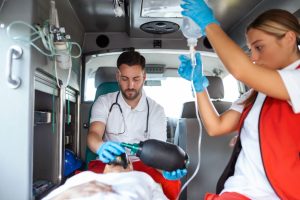
Gili T emergency transport has been improving. Slowly, yes, but noticeably. Better equipment. More structured coordination between Gili medical service teams. Stronger links with hospitals in Lombok.
Even awareness among tourists is getting better.
Not dramatically. But enough.
It’s one of those gradual shifts you only notice if you’ve been paying attention.
Why Preparation Still Matters
Here’s the thing.
You probably won’t need Gili T emergency transport during your trip. Most people don’t.
But if you do…
You’ll want things to go smoothly.
Having travel insurance helps. Knowing basic contacts helps. Even staying aware of your surroundings—especially at night—can make a difference.
Not in a dramatic way.
Just in a practical one.
Final Thoughts on Gili T Emergency Transport
It’s strange, maybe, to think about emergencies in a place known for relaxation.
But that contrast is real.
Gili T emergency transport exists quietly in the background, almost unnoticed. Until it isn’t.
And when that moment comes, everything shifts.
What stood out to me isn’t just the system itself, but how human it feels. A bit imperfect. Sometimes unpredictable. But still reliable in the ways that count.
And maybe that’s enough.
Maybe that’s what matters most.
