
The first thing most people notice in the Gilis is the quiet. No cars. Just bicycles, horse carts, the sea moving lazily against the shore. Paradise, honestly. But somewhere between the sunset drinks and the morning snorkeling trip, a practical thought sometimes appears: what happens if something goes wrong? That’s where Gili Islands 24 hour emergency services quietly become one of the most important things travelers never think about—until they do. And yes, the Gili Islands 24 hour emergency system exists, even on these small tropical islands that feel wonderfully far away from the modern rush.
Because accidents happen.
Even in paradise.
Maybe especially in paradise.
Why Emergency Services Matter on Small Islands
It’s easy to assume a tiny island means limited support. And, well, sometimes that assumption isn’t totally wrong. The Gili Islands—Gili Trawangan, Gili Air, and Gili Meno—are small, remote, and surrounded by ocean. Hospitals? Not really. Large medical facilities? Also no.
But that doesn’t mean there’s no help.
The Gili Islands 24 hour emergency system has gradually evolved over the years as tourism grew. Local clinics, trained responders, and medical evacuation options are now part of the safety network visitors rely on every day.
Quietly working in the background.
You rarely notice it.
Until someone falls off a bike at night.
Or gets dehydrated after diving.
Or has a sudden allergic reaction.
Then suddenly, knowing where the nearest Gili emergency contact is becomes incredibly important.
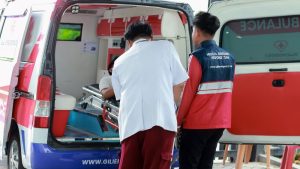
The Role of Gili Emergency Services
Local First Responders
On islands without full hospitals, the first step usually comes from a Gili emergency service team or a nearby Gili medical clinic.
These clinics are scattered mostly across Gili Trawangan and Gili Air, where the majority of tourists stay. The staff typically includes trained nurses, paramedics, and sometimes international doctors who rotate through the clinics during busy seasons.
The goal is simple: stabilize the patient.
Not always cure everything.
Just stabilize.
Once that happens, if a situation requires advanced treatment, the Gili Islands 24 hour emergency system coordinates evacuation to Lombok or sometimes Bali.
And yes, it can happen fast. Speedboats at night are more common than people realize.
Night Emergencies Are Real
This part surprises many travelers.
Nighttime emergencies are actually quite common in the Gilis.
Think about it.
Night dives.
Beach parties.
Late cycling rides on dark paths.
Sometimes someone slips. Sometimes someone drinks too much. Sometimes it’s food poisoning, heat exhaustion, or a coral cut that suddenly looks worse.
When that happens, the Gili Islands 24 hour emergency network becomes essential. Clinics keep staff on standby, and emergency transport teams can be contacted at any hour.
Not always instantly. But reliably.
Honestly, that’s what matters.
What a Typical Gili Emergency Situation Looks Like
Let’s imagine a simple scenario.
You’re riding a bicycle on Gili Trawangan at night. The sandy path is darker than expected. A small bump. A quick wobble.
Then you fall.
It happens more often than people admit.
A friend helps you up, but your arm hurts. Badly. Within minutes someone nearby suggests calling a Gili emergency number or visiting a nearby Gili medical clinic.
From there the process usually looks like this:
First: clinic evaluation.
Second: treatment for minor injuries or stabilization.
Third: if needed, coordination with the Gili Islands 24 hour emergency evacuation team to transport you to Lombok.
The system isn’t huge. But it works.
And travelers are often surprised by how organized it actually is.
Where Gili Medical Clinics Are Located
Gili Trawangan Clinics
Gili Trawangan has the most developed healthcare support among the islands. Several Gili medical clinic facilities operate there, offering basic emergency care, IV hydration therapy, wound treatment, and diving-related medical support.
Some clinics specialize in treating diving accidents and decompression sickness, which makes sense considering how many divers visit the island every year.
These clinics also coordinate directly with the Gili Islands 24 hour emergency network when cases become more serious.
Gili Air Support
Gili Air has fewer clinics but still maintains reliable Gili emergency service coverage. Most accommodations know exactly who to call if a guest needs help in the middle of the night.
Sometimes the response is a clinic scooter team.
Sometimes it’s a medical buggy.
It depends on the situation.
But help does arrive.
Gili Meno Assistance
Gili Meno is quieter. Much quieter.
There are fewer medical facilities, which means many emergencies are handled through quick transfers to Gili Trawangan clinics via boat.
Even so, the Gili Islands 24 hour emergency system includes coordination for Meno visitors as well.
Small island. Shared resources.
Medical Evacuation From the Gili Islands
Sometimes a clinic visit isn’t enough.
Broken bones, severe infections, diving accidents, or cardiac issues may require advanced hospital care. When that happens, the Gili Islands 24 hour emergency process shifts into evacuation mode.
Usually toward Lombok.
Speedboat medical transfers are the most common option, and depending on sea conditions they can reach Lombok hospitals in roughly 15 to 30 minutes.
Air evacuation to Bali is possible too, though less common.
The good news? Clinics and Gili emergency service providers handle most of the coordination.
The bad news?
It can be expensive without travel insurance.
So yes.
Insurance matters here.
A lot.
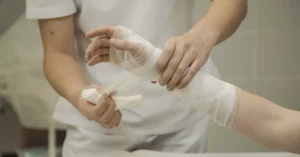
Common Medical Issues Tourists Experience
Interestingly, most emergencies in the Gilis are not dramatic disasters.
They’re simple problems.
But simple problems can still feel scary when you’re on a small island.
Some of the most common cases handled by Gili Islands 24 hour emergency teams include:
-
Bicycle accidents
-
Coral cuts and infected wounds
-
Dehydration or heat exhaustion
-
Food poisoning
-
Diving-related injuries
-
Allergic reactions
Occasionally something more serious happens. But honestly, most situations are manageable when treated quickly at a Gili medical clinic.
Still, knowing the system exists makes a huge difference psychologically.
Peace of mind.
You sleep better.
How to Contact Gili Emergency Services
Here’s something many travelers forget to do.
Save emergency contacts.
Before you actually need them.
Most hotels and dive centers already have connections with local Gili emergency service teams and nearby clinics. Reception desks usually know the fastest way to activate the Gili Islands 24 hour emergency response.
But it’s still smart to ask for the number when you check in.
Just in case.
Because when something happens, even small things, people tend to panic a bit.
And having the contact ready helps.
A Quiet Safety Net Behind Paradise
The Gili Islands are still paradise. White sand, turquoise water, sunsets that look almost unreal.
But behind that beauty is a quiet infrastructure many visitors never see.
Clinics staying open late.
Medical staff on standby.
Boat captains ready for night transport.
That invisible network is the Gili Islands 24 hour emergency system.
It’s not huge.
It’s not perfect.
But it’s there.
And honestly, knowing that a Gili emergency response team and a nearby Gili medical clinic can step in if needed makes the islands feel a little safer—without taking away the magic that makes people fall in love with them in the first place.
Because paradise is even better when you know help is nearby.
Even at 2 a.m.
