
The first time someone mentions Gili Meno ambulance cost, it usually happens in a slightly worried tone. Not panic exactly. Just curiosity mixed with that tiny edge of concern. Because, well… Gili Meno is small. Beautiful, yes. Almost dreamlike. White sand, quiet paths, horses pulling carts instead of cars. But when something unexpected happens—an accident, dehydration, a sudden fever—people start wondering about practical things. Like how emergency transport works here. And more specifically, what the Gili Meno ambulance cost actually looks like when you need help fast.
It’s not something most travelers think about while watching the sunset.
But maybe they should. Just a little.
Understanding the Reality Behind Gili Meno Ambulance Cost
Let’s start with the obvious thing people often ask: is an ambulance even available on the island?
Short answer: yes.
But it’s a bit different from what you might expect in a big city.
The Gili Meno ambulance cost usually depends on several factors. Distance. Time of day. Whether the patient needs transfer to Lombok. Sometimes even weather conditions, since boats are involved in certain evacuations.
And honestly, that part surprises people.
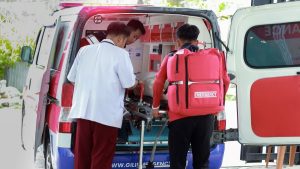
Because on a quiet island like this, medical transport sometimes means coordinating between the local ambulance Gili team, a small boat transfer, and medical staff waiting on the mainland.
Simple in theory. Slightly complicated in practice.
Most cases handled by the local Gili emergency service stay on the island first. Initial treatment happens locally before any decision about evacuation is made.
Which is actually reassuring.
Why Ambulance Services on Small Islands Work Differently
Here’s the thing about small islands.
They operate on rhythm rather than speed.
In large cities, ambulances scream through traffic with sirens. On Gili Meno, the roads are narrow sandy paths. No cars. No motorcycles. Just bicycles, horses, and the occasional barefoot tourist wandering back from the beach.
So the logistics change.
The Gili Meno ambulance cost reflects that slightly unusual setup. The vehicle itself is usually a modified medical cart or small transport vehicle adapted for island conditions.
Sometimes quiet. Almost too quiet.
And yet it works.
The local teams know every path, every guesthouse, every dive center. When someone calls the Gili emergency service, the response is often surprisingly quick considering the island’s layout.
Still, if evacuation to Lombok becomes necessary, the cost naturally increases. Boats, coordination, additional medical staff—it adds layers.
Which leads to the next question travelers often whisper to each other.
Typical Price Range Travelers Might Encounter
Numbers vary. A lot.
But generally speaking, the Gili Meno ambulance cost for basic transport on the island can range from roughly $30 to $100 depending on distance and urgency.
Not outrageous. But not pocket change either.
If a medical evacuation to Lombok is required, the Gili Meno ambulance cost may rise significantly. Boat transfers with medical supervision can range between $150 and $400 or more.
It sounds dramatic.
Yet in context, it makes sense.
Island medicine simply has extra steps.
Interestingly, many tourists never pay the full amount themselves because travel insurance often covers emergency transport. That’s something experienced travelers quietly recommend before visiting any remote island.
Just in case.
How Ambulance Gili Teams Actually Respond to Emergencies
Picture this for a moment.
It’s late afternoon. Humid air. The sound of waves moving slowly toward the beach. Someone slips while cycling on a sandy path near the northern part of the island.
A call goes out.
Within minutes, the ambulance Gili team arrives with a stretcher and basic medical equipment. Calm, efficient, familiar with the terrain.
No chaos.
Just quiet professionalism.
The Gili Meno ambulance cost in situations like this usually covers the immediate response and transportation to the nearest Gili medical clinic. That clinic becomes the first checkpoint where medical staff evaluate the patient.
Sometimes the treatment happens right there.
Other times, doctors recommend transfer to Lombok for scans or hospital care.
It’s a step-by-step process.
Role of the Gili Medical Clinic in Emergency Situations
The Gili medical clinic plays a surprisingly important role on the island.
Think of it as the first line of defense.
Most health problems tourists face here are actually minor: dehydration, food poisoning, coral cuts, scooter injuries from Lombok trips, even sunstroke after long snorkeling sessions.
Nothing dramatic.
Still uncomfortable though.
When patients arrive via ambulance, the clinic stabilizes them first. That’s when decisions about evacuation happen, which is where the Gili Meno ambulance cost can change depending on what’s needed next.
Sometimes the answer is simple rest, IV fluids, and medication.
Problem solved.
Other times… the doctor quietly recommends a hospital on Lombok.
And that’s when the logistics begin.
Factors That Influence Gili Meno Ambulance Cost
Several things affect the final number people pay.
Distance is one.
But there are others.
Time of day matters. Night responses sometimes require additional coordination. Weather can also influence transport options, especially if a boat transfer becomes necessary.
Because yes—storms do happen.
Another factor is medical equipment. If oxygen support or monitoring devices are needed during transfer, the Gili Meno ambulance cost naturally increases due to specialized staff and gear.
It sounds complicated, but in reality the teams usually explain the situation clearly before moving forward.
No hidden surprises.
Mostly.
When Travelers Actually Need the Service
Interestingly, most emergencies on Gili Meno aren’t extreme accidents.
They’re small things that escalate.
A deep coral cut that starts bleeding heavily. Severe dehydration after hours of snorkeling. Food poisoning after trying something adventurous at a beach café.
It happens.
In those moments, the Gili emergency service becomes incredibly valuable. Even if someone only needs transport to a clinic, knowing help exists nearby makes the island feel less isolated.
And yes, people eventually ask about the Gili Meno ambulance cost after everything calms down.
Usually while sitting with a bottle of water and a slightly embarrassed smile.

Tips for Travelers Visiting Gili Meno
Let’s be honest.
Nobody plans to need an ambulance while on vacation.
But a few simple precautions help.
Travel insurance is number one. It can easily cover the Gili Meno ambulance cost, especially if evacuation to Lombok becomes necessary.
Second tip: stay hydrated.
It sounds trivial, but the tropical heat here is intense. Many clinic visits come from dehydration or heat exhaustion.
Third—watch your step while snorkeling.
Coral cuts are extremely common.
And they sting. A lot.
If something does happen, the best move is contacting your hotel staff immediately. Most accommodations know exactly how to reach the ambulance Gili team or the nearest Gili medical clinic.
Which makes everything easier.
Final Thoughts on Gili Meno Ambulance Cost
At the end of the day, the Gili Meno ambulance cost is simply part of the reality of visiting a remote tropical island.
Paradise has logistics too.
Luckily, the combination of ambulance Gili responders, the local Gili emergency service, and medical staff at the Gili medical clinic means help is available when people need it most.
And that’s reassuring.
Because while travelers come to Gili Meno for turquoise water, quiet beaches, and slow island mornings… it’s comforting to know that even in a place this peaceful, someone is ready to help if things go wrong.
Hopefully you’ll never need that service.
But it’s good to know it’s there.
