
You don’t come to Gili Trawangan thinking about hospitals. You come for barefoot mornings, salty hair, and sunsets that melt into the horizon. I get it. I’ve been there—sitting on the sand, coconut in hand, telling myself, “This is paradise.”
And yet… let’s talk honestly about Gili Trawangan emergency for tourists.
Not because it’s scary. Not because the island is unsafe. But because knowing what to do in a Gili Trawangan emergency for tourists situation can quietly protect your holiday in ways you won’t fully appreciate until you need it. Most people never look into Gili Trawangan emergency for tourists details before arriving. They assume everything will be fine.
Usually, it is.
But sometimes, small things happen. A coral cut. A diving headache that feels “a bit off.” Food poisoning after that grilled seafood that smelled amazing at sunset. These are the kinds of situations that fall under Gili Trawangan emergency for tourists—not dramatic rescues, just real-life moments.
And the difference between panic and control? Preparation.
The Island Is Small — Medical Facilities Are Smaller
Gili Trawangan feels cozy. No cars, no motorbikes. Just bicycles, horse carts, and sandy paths. The rhythm is slow. Almost hypnotic.
But because it’s a small island, there is no full-scale hospital. In a serious Gili Trawangan emergency for tourists case, initial treatment happens locally, then evacuation to Lombok may be required.
That’s not a flaw. It’s geography.
There are clinics on the island, including the Gili emergency clinic, which handles urgent situations, and the Gili medical clinic, which deals more with general consultations and non-critical issues. They are experienced with travelers—sunburn, dehydration, diving incidents, stomach problems. The usual tropical storyline.
Still, advanced surgical procedures? Those require transfer.
It’s something many travelers don’t realize until they’re already on the island.

What Actually Counts as an Emergency Here?
When people hear “emergency,” they imagine sirens and chaos. But on Gili, most emergencies are quieter.
Dehydration from too much sun.
Infected coral scratches.
Cycling accidents at night.
Diving-related dizziness.
Allergic reactions to seafood.
I once met a traveler who ignored a small foot cut from stepping on coral. Two days later, it was swollen and painful. The humid climate doesn’t forgive neglected wounds. What started as “just a scratch” turned into a proper Gili Trawangan emergency for tourists visit.
It’s rarely dramatic at first. That’s the tricky part.
How the Emergency Service System Works
The local emergency service is coordinated through clinics and sometimes dive centers. If something happens:
You contact a clinic directly (most hotels keep numbers at reception).
Medical staff assess your condition.
If necessary, a speedboat transfer to Lombok is arranged.
Transfers depend on sea conditions. Calm waters? Fast and smooth. Rough weather at night? Slower. That detail matters more than you think.
There’s something about watching the ocean at night that makes you aware of your vulnerability. Beautiful, yes. But powerful.
So in a serious Gili Trawangan emergency for tourists scenario, timing and weather can influence next steps.
Diving Incidents: The One Risk People Underestimate
Gili Trawangan is famous for diving. Turtles, reefs, visibility that feels unreal.
Most dives are safe when handled by reputable operators. But dive-related incidents do happen—ear barotrauma, decompression sickness, oxygen issues.
Professional dive centers usually keep emergency oxygen on-site. They also coordinate quickly with clinics if needed. Still, divers sometimes dismiss early symptoms. Headache. Fatigue. Slight confusion.
“I’m probably just tired.”
Maybe. Maybe not.
And that hesitation can turn into a more serious Gili Trawangan emergency for tourists case if ignored.
Choose certified dive operators. Ask about their emergency protocols. It’s not awkward. It’s responsible.
Nightlife, Alcohol, and Small Accidents
Let’s talk about evenings.
Gili Trawangan has an active nightlife. Music drifts across the beach. People move from bar to bar barefoot. It feels carefree.
Until someone falls off a bicycle in the dark.
Sandy roads, low lighting, a bit too much to drink—it’s a common combination. Emergency service providers regularly handle minor fractures, cuts, and head bumps at night.
Not catastrophic. Just… preventable.
Use a flashlight. Wear proper sandals. Slow down.
Sometimes safety advice sounds boring. But it works.
The Role of Gili Emergency Clinic
The Gili emergency clinic focuses on urgent cases. They provide IV fluids, oxygen therapy, wound care, and stabilization before transfer if needed.
I’ve heard travelers say they were surprised by how quickly staff responded. The island may feel remote, but medical professionals there are used to handling tourist-related cases efficiently.
Still, expectations matter. Advanced imaging like CT scans? Not available on the island. For complex procedures, evacuation to Lombok is required.
Understanding this in advance reframes a Gili Trawangan emergency for tourists situation from panic to process.
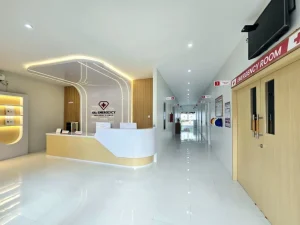
Gili Medical Clinic for Early Intervention
The Gili medical clinic is often the first stop for non-critical issues: fever, infections, ear pain after diving, stomach trouble.
And here’s something important—going early makes a difference.
Tropical climates accelerate infection. Humidity and saltwater slow healing. A small untreated issue can escalate faster than it would back home.
If you feel unsure, go. Even if it turns out minor. Especially if it turns out minor.
That mindset alone reduces the likelihood of a bigger Gili Trawangan emergency for tourists experience later.
Insurance: The Detail People Forget
Let’s pause here.
Do you have travel insurance that covers medical evacuation?
Many travelers don’t check. They assume standard insurance is enough. But speedboat transfers and hospital referrals in Lombok can be expensive.
Financial stress layered on top of a medical situation is not something you want on holiday.
Before you travel, confirm coverage includes evacuation and diving activities if applicable. That one phone call before departure can change everything.
It’s one of those invisible preparations you’ll be grateful for if you ever face a Gili Trawangan emergency for tourists scenario.
Weather and Sea Transfers — A Reality Check
During certain seasons, wind and waves around the Gilis can be unpredictable. Most days are fine. Occasionally, transfers become delayed.
That’s not to alarm you. It’s simply part of island life.
So during rough weather, maybe skip high-risk activities. Maybe hydrate more. Maybe listen to that small inner voice that says, “Not today.”
Prevention doesn’t remove adventure. It protects it.
Final Reflection on Gili Trawangan Emergency for Tourists
Here’s the truth: Gili Trawangan is generally safe. Thousands of travelers visit without ever experiencing a serious problem.
But being informed about Gili Trawangan emergency for tourists realities doesn’t reduce the joy of the island. It enhances it.
Know where the Gili emergency clinic is. Understand what the Gili medical clinic can treat. Save emergency service contacts in your phone. Choose reputable dive operators. Stay hydrated. Wear sunscreen. Slow down at night.
Preparation isn’t fear.
It’s confidence.
And when you travel with quiet confidence, you relax more deeply. You enjoy sunsets without worry. You swim freely, knowing you’ve done your part.
Hopefully, you’ll never need any of this information.
But if you do—you’ll be ready.
And that readiness? It’s the calmest kind of luxury.
